
Last updated October 16, 2026
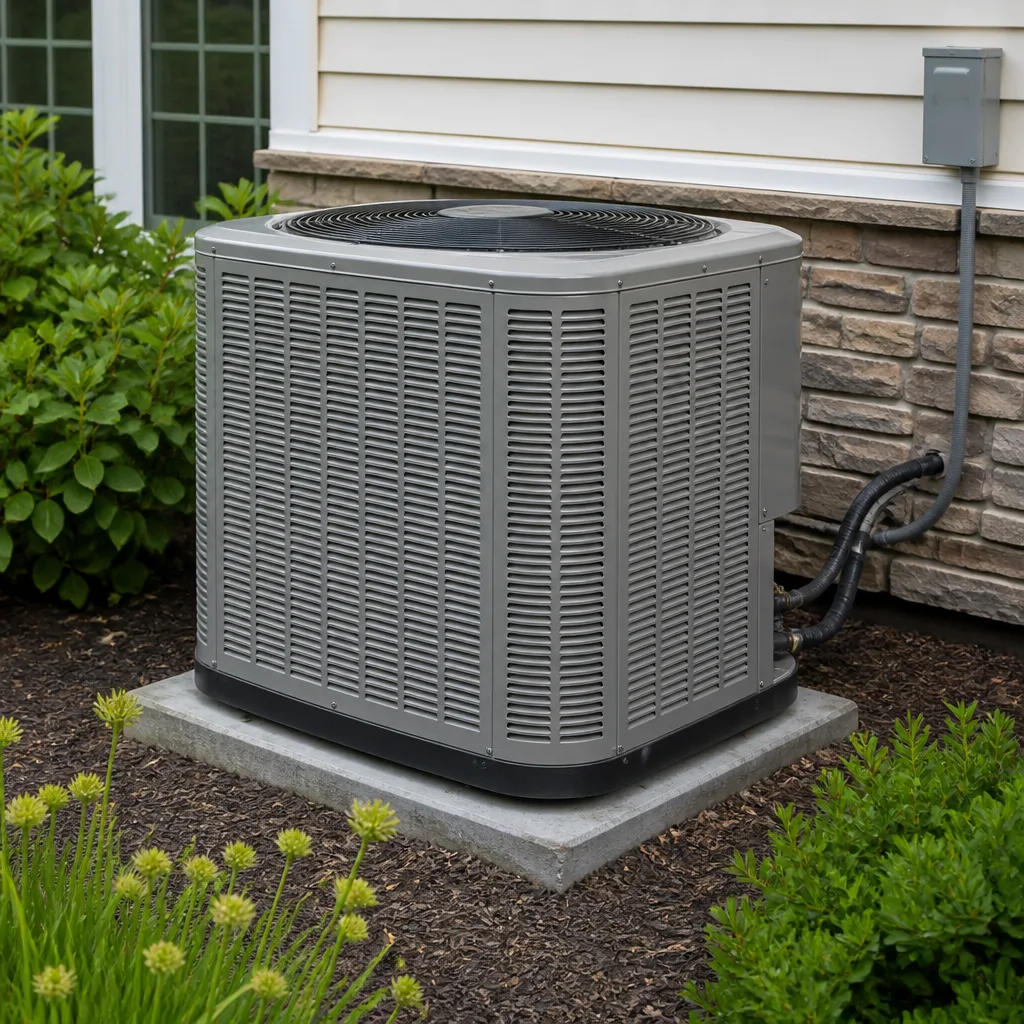 AC repair
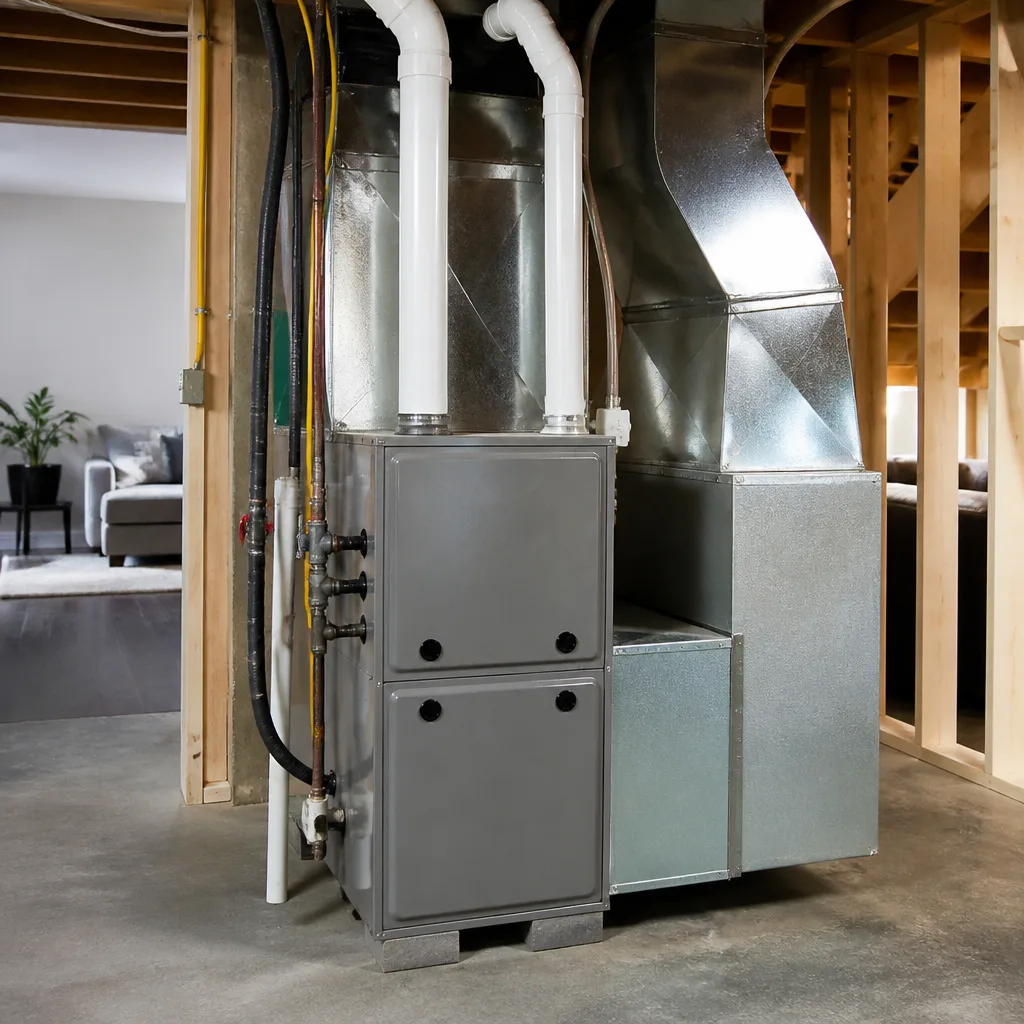 Furnace & heating
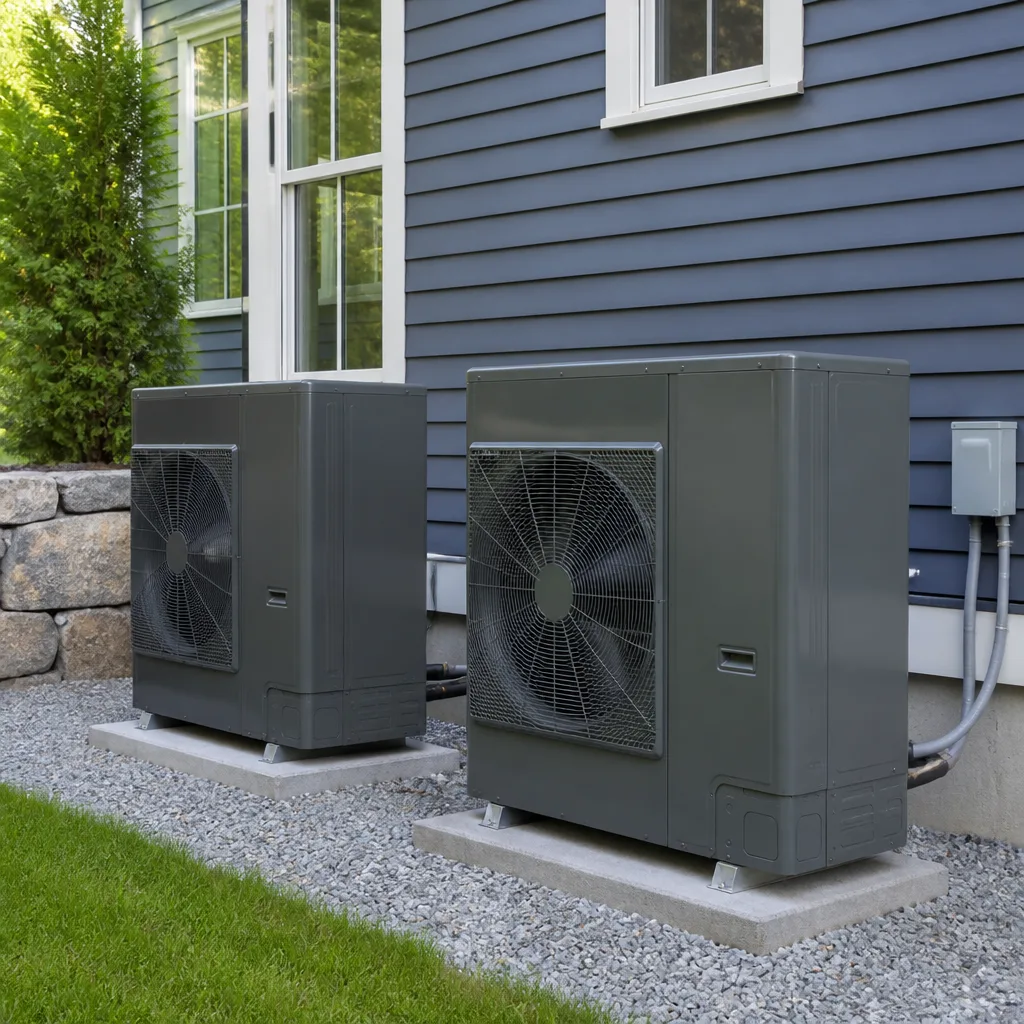 Heat pumps
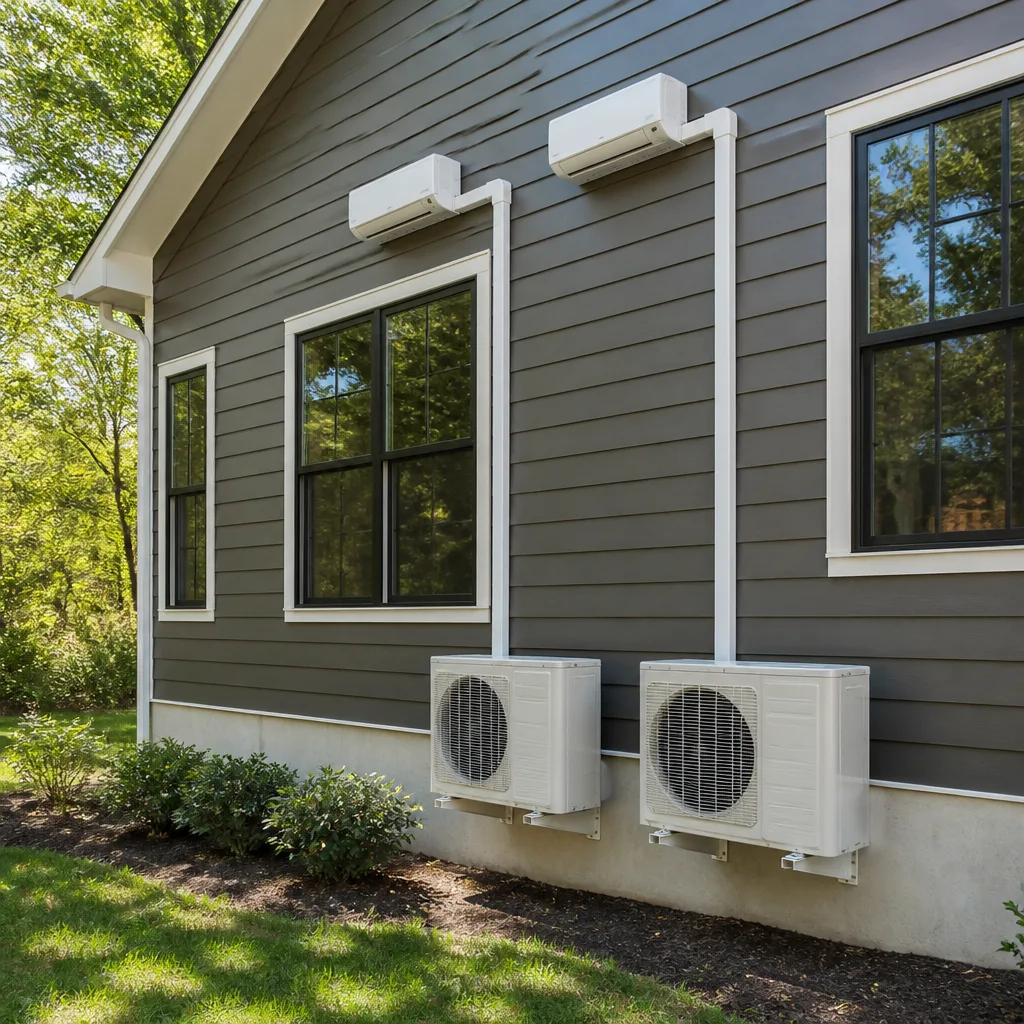 Ductless mini splits
 Carrier
 Trane
Trane Goodman
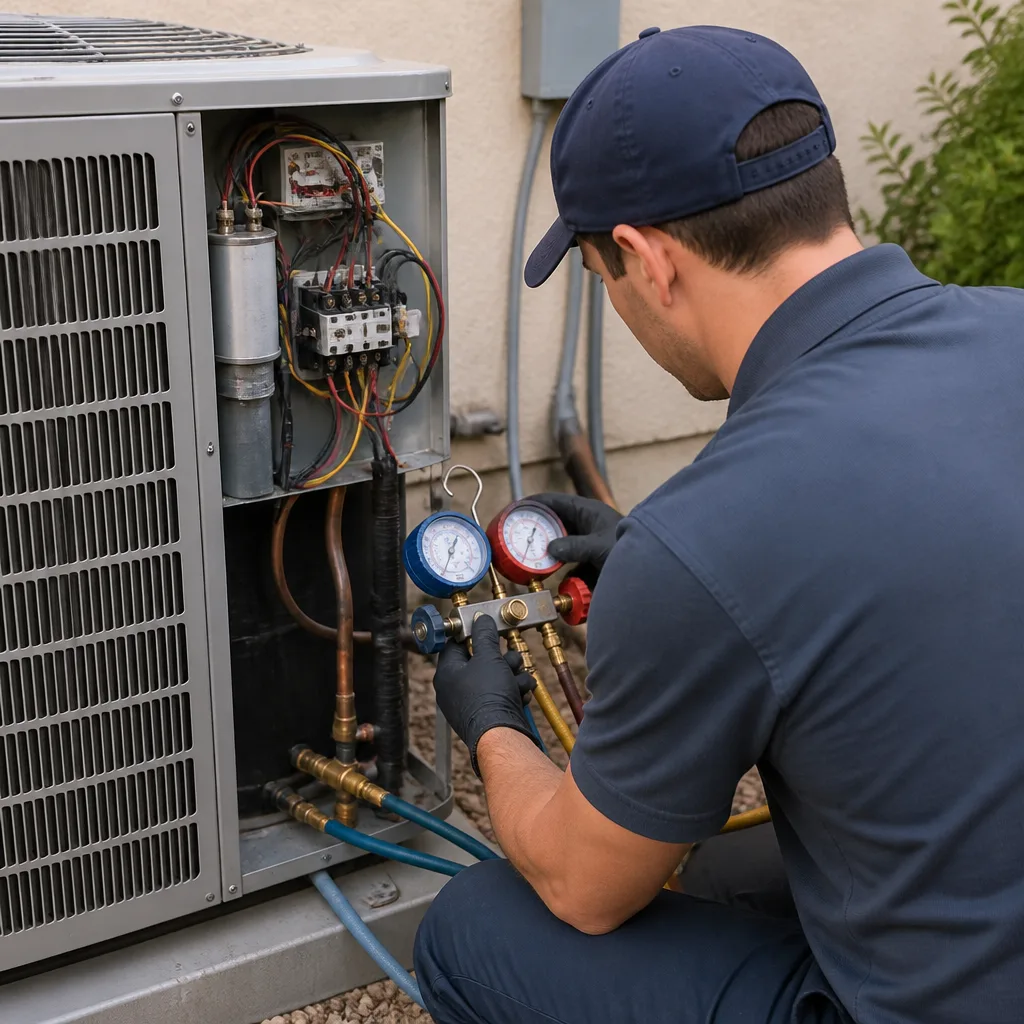
Seasonal tune-up and full diagnostic on your Carrier, Trane, or Goodman system - readings shown to you before any repair is proposed
Diagnosis first, numbers second - you approve the repair price before a single part goes in.
Get your free estimateHVAC Warning Signs: A Sacramento Homeowner’s Reference Guide
Here’s a number that surprises most Sacramento homeowners: a blower motor bearing that starts failing in April costs roughly $280 to repair by a scheduled appointment. That same repair in the middle of a 105-degree July heat wave becomes a $500-plus emergency call, if the part is even in stock that week. Every HVAC warning sign has a clock attached to it, and in Sacramento’s climate, that clock runs faster than most people realize. This guide maps each symptom to the specific component that’s likely failing, explains what ignoring it for one more Sacramento summer actually costs, and gives you a clear decision framework for every warning sign: monitor it, schedule service this week, or shut the system down and call today. For a deeper dive into year-round maintenance strategies, see our Seasonal HVAC Care for Sacramento: Year-Round Homeowner’s Guide.
Styles & brands we work with
Quick Answer
The most common HVAC warning signs in Sacramento fall into five categories: unusual sounds (grinding, squealing, rattling), weak or uneven airflow, warm air blowing during cooling mode, ice or frost on refrigerant lines, and indoor air quality changes like musty odors or unexplained dust. In Sacramento’s hot, dry climate, the three most urgent symptoms are a system that short-cycles (turns on and off every few minutes), refrigerant line icing, and any burning smell from the vents. If you notice any of these three, shut the system off and call a professional, because each one can turn a $200 repair into a $1,500 replacement within weeks during the summer months.
Table of Contents
- Sounds Your HVAC System Shouldn’t Make (and What Each One Means in Sacramento)
- Airflow Problems: When the Air Doesn’t Move Right
- Temperature Symptoms That Aren’t Actually Thermostat Problems
- Refrigerant Issues: Ice, Warm Air, and the Leak Question
- Indoor Air Quality Signals: What Your Nose and Your Dusting Routine Are Telling You
- The Tipping Point Framework: Monitor, Schedule, or Shut Down
- Common Mistakes to Avoid
- When to Call a Professional
- Frequently Asked Questions
- The Bottom Line
Sounds Your HVAC System Shouldn’t Make (and What Each One Means in Sacramento)
Every HVAC system makes some noise when it runs. A soft whoosh of air, the click of a relay, the low hum of the compressor. Those are normal. What you’re listening for is anything sharp, metallic, rhythmic, or new. Here’s the breakdown of what specific sounds indicate, with the Sacramento-specific context that matters for each one.
High-pitched squealing or squeaking
This almost always points to a blower motor bearing or a failing fan belt on older units. In Sacramento’s summer, the blower motor runs for 10 to 14 hours a day, sometimes continuously. That’s double or triple the runtime of systems in milder climates, which means a bearing that’s starting to dry out will progress from occasional squeak to constant squeal to full seizure on a compressed timeline. A squealing blower motor is usually a $180 to $340 repair if caught early. If the motor seizes, you’re looking at a replacement, which runs $450 to $900 for most Sacramento homes, plus whatever emergency-rate labor applies if it happens in July or August.
Grinding or metal-on-metal scraping
Grinding means something is physically rubbing or wearing away. In our experience, the most common culprit is the blower wheel making contact with its housing, either because a bearing is failing or the wheel itself has come loose. This is a “schedule this week” situation, not a “wait and see” situation. The longer it runs, the more damage the wheel does to the housing, and at a certain point, the repair stops being a component swap and starts being a motor-and-wheel assembly replacement. In Sacramento, where many homes have equipment that’s 10 to 15 years old due to long cooling seasons, we frequently see grinding on systems where a second minor issue, like a slightly warped wheel from heat exposure, compounds the primary bearing failure.
Rattling or vibrating from the outdoor unit
A rattle from the condenser unit outside usually means something has come loose: a fan blade, a panel screw, or a mounting bolt. It can also indicate debris inside the unit, like leaves or twigs from Sacramento’s notorious valley oak and sycamore leaf drop. If the rattle is accompanied by visible shaking, the fan blade may be out of balance, which puts strain on the fan motor and will eventually take it out. A loose panel is a five-minute fix. A grumbling compressor, which sounds more like a low rumble or chatter than a rattle, is a different story entirely and should be checked the same day, because compressor issues on a Sacramento summer afternoon are the difference between a repair and a full AC repair in Sacramento that turns into a replacement.
Clicking that’s frequent or constant
Some clicking is normal: when the system turns on, relays click. What’s not normal is a repeated clicking sound every 30 to 90 seconds, especially if the system doesn’t actually start. That pattern typically means a failing capacitor or a thermostat signaling the system to start when something is preventing it. Capacitor failure is one of the most common AC failures in Sacramento specifically because capacitors degrade faster in high ambient heat. Attic temperatures in Sacramento regularly hit 130 to 150 degrees in the summer. If your air handler is in an attic, as many are in older Sacramento homes built before ducted systems moved into conditioned spaces, the capacitor is baking in that heat even when the system isn’t running. A capacitor replacement is typically $150 to $280 and takes under an hour. Ignored capacitor problems lead to compressor failure, which starts at $1,200 and goes up from there.
Airflow Problems: When the Air Doesn’t Move Right
Weak airflow is the warning sign most homeowners write off as “that’s just how our house is.” Sometimes that’s true. Houses have inherently warmer rooms. But a specific register that used to blow strong and now barely moves air is a diagnostic lead, not a personality quirk. Here’s how to read it.
One or two weak registers, others fine
This pattern points to a duct issue, not an equipment issue. The duct run serving those registers may have a disconnect, a crush, or a significant leak. In Sacramento’s older neighborhoods, Land Park, East Sacramento, Curtis Park, many homes have duct systems that date back to the 1970s or earlier. Flex duct, especially, degrades in attic heat over 20 to 30 years. The plastic outer liner gets brittle, the inner liner sags, and connections fail. When one duct run fails, the air conditioned air that should be reaching that bedroom is being dumped into the attic instead. The result is a room that won’t cool below 80 degrees on a 100-degree Sacramento day, while the rest of the house feels fine. Duct repair or replacement for a single run typically runs $300 to $700 depending on accessibility.
Weak airflow from every register, all at once
If every register in the house suddenly delivers weak airflow, the problem is almost always at the equipment level. The most common causes: a clogged air filter, a failing blower motor, or a frozen evaporator coil. Start with the filter. A severely clogged filter reduces airflow across the coil, which causes the coil temperature to drop, which causes ice to form, which restricts airflow further. It’s a feedback loop. If the filter is clean or new and the airflow is still weak, the blower motor or the capacitor feeding it may be failing. This is where our Meadowsweet Heating and Air Sacramento home standard comes in handy: a written price before any work starts, so you know whether it’s a $180 capacitor or a $600 blower motor before anything gets opened up.
Airflow is fine, but one room is always 10 degrees off
This is often a balancing issue or a return air problem, not an equipment failure. If a room doesn’t have its own return and the door stays closed, the room can’t circulate air, and it pressurizes, which blocks incoming supply air. The quick test: if the room cools better with the door open, the room likely needs a return or a transfer grille. In two-story Sacramento homes, this is especially common upstairs, where the existing duct system was often designed without enough return capacity. The fix ranges from a $150 transfer grille installation to $400 to $1,200 for adding a dedicated return, depending on ceiling access and distance from the main return.
Temperature Symptoms That Aren’t Actually Thermostat Problems
When a house won’t cool, the first instinct is almost always to look at the thermostat. Sometimes that’s right. Often it’s not. Here are the temperature symptoms we see most often in Sacramento, and what’s actually going on behind each one.
The system runs constantly but the house won’t drop below 80°F
On a 105-degree Sacramento day, a properly sized system should still be able to pull the house down to 75 or below, depending on insulation and window condition. If the system runs nonstop and can’t get there, you’re looking at one of three things: low refrigerant from a leak, a severely dirty or damaged condenser coil, or a system that was undersized for the home. The first two are repairable. A dirty condenser coil cleaning runs $120 to $200, and in Sacramento’s dusty, pollen-heavy environment, coils clog faster than most homeowners expect. A refrigerant leak repair plus recharge varies widely, $250 to $1,500 depending on leak location and how much refrigerant is involved. The third option, an undersized system, has no repair: it’s a design problem, and the only fix is replacement through proper load calculation. Our AC installation in Sacramento service always starts with a manual J load calculation specifically because of this, no rule-of-thumb sizing, ever.
The system short-cycles: on for five minutes, off for five, on again
Short-cycling is the most urgent temperature symptom. It means the system is starting, hitting a trip condition, and shutting down before it completes a cooling cycle. The most common cause: low refrigerant causing low-pressure trips, or an overheating compressor. The problem with short-cycling is that every start is the hardest moment for a compressor. Five starts an hour instead of three starts an hour might not sound like much, but it compounds wear rapidly. In Sacramento, where cooling season runs six to seven months, a short-cycling system is eating its own compressor alive. Short-cycling should be treated as a “shut it off and call today” situation. The repair that fixes it is usually cheaper and faster than the compressor replacement it prevents.
The house reaches temperature, but the upstairs is 8 degrees warmer than downstairs
Hot air rises. Cold air falls. Any two-story house has a natural temperature stack, but it should be manageable with a properly designed and balanced system. If the upstairs is consistently 8 degrees or more warmer while the system is running and the thermostat reads the downstairs temperature, the system in the upstairs zone or run is either undersized, under-ducted, or leaking. In many Sacramento homes with a single system serving both floors, the simplest and most cost-effective fix is adding a zone damper system ($1,800 to $3,500) or supplementing with a ductless mini-split for the upstairs ($4,000 to $8,000 installed). Both are less expensive than replacing the existing system and living with it for another decade.
A quick note on thermostats: if your thermostat reads a temperature that doesn’t match how the room feels, or if the display flickers or goes blank periodically, that’s a sign the thermostat itself is failing or wired incorrectly. A new programmable thermostat runs $150 to $300 installed, and it’s the cheapest fix in this entire category. Rule out the thermostat first, but don’t assume it’s the thermostat just because it’s the only part you can see.
Refrigerant Issues: Ice, Warm Air, and the Leak Question
Refrigerant is the part of HVAC that generates the most confusion, partly because it’s invisible and partly because the industry uses jargon to describe it. Here’s the plain-language version.
Ice on the refrigerant line: what it looks like and what it means
The line set is the pair of copper pipes connecting your indoor unit to your outdoor unit. The larger pipe, the suction line, is the one that should be cold and sweating lightly on a hot day. If you see actual frost or ice on that pipe, or worse, ice building up on the indoor coil where the pipe connects, the system is telling you something specific: there isn’t enough refrigerant moving through it, or there isn’t enough air flowing across the coil. Both conditions cause the coil temperature to drop below freezing, which condenses and freezes the humidity from the air.
In Sacramento’s dry climate, ice formation is actually less common than it is in humid regions, because there’s simply less moisture in the air to freeze. When you do see ice on a Sacramento system, it’s a stronger signal, not a weaker one. Low refrigerant is the most likely cause, and low refrigerant means there’s a leak somewhere in the system. Refrigerant doesn’t get “used up.” It’s a sealed system. If it’s low, it leaked.
Why the system blows air but not cold air
This is the #1 refrigerant symptom. The blower works. Air moves. But the air coming out of the registers is warm or barely cool. What’s happening: the system has lost enough refrigerant that it can no longer absorb heat from the house and dump it outside. The compressor may still be running, but it’s circulating an insufficient charge, and the temperature drop across the coil has collapsed. On a digital thermometer, a healthy system should show a 15 to 20 degree difference between the return air and the supply air. If your register air is only 3 or 4 degrees cooler than the room air, you’re in refrigerant territory.
The “just add refrigerant” trap, and why it wastes money
When a technician finds low refrigerant and suggests topping it off without finding the leak, what they’re really offering is a temporary patch that will need to be repeated. Refrigerant costs $60 to $150 per pound depending on the type, and a typical Sacramento system holds 6 to 12 pounds. If there’s a leak, a recharge buys you weeks or months, not years. The system will leak down again, and you’ll pay for another recharge. Worse, if the leak is in the evaporator coil or the condenser coil, running the system low accelerates compressor wear, because the compressor relies on refrigerant flow to stay cool. A proper leak search with an electronic detector, plus repair, is the only way to actually fix a refrigerant loss. That runs $250 to $650 for leak detection and access, plus the cost of whatever component needs repair or replacement. Bryant and York systems, two of the nine brands our technicians service across Sacramento, use different coil designs that affect leak repair cost significantly, so the specific equipment in your home matters when it comes to this particular repair.
What a refrigerant leak smells like (and why you shouldn’t wait)
Refrigerant itself is odorless. But a refrigerant leak that has been leaking for a while can carry compressor oil with it, and that oil has a faint chemical or sweet smell. If you notice an odd smell near the indoor unit or the outdoor unit, along with warm air, that’s a strong lead. The bigger issue is health: modern refrigerants are low-toxicity, but a significant leak in a confined space, like an attic air handler or a garage-mounted unit, displaces oxygen and can cause headaches and dizziness. Open windows, ventilate the space, and call for service. Don’t try to sniff-test a refrigerant leak deliberately.
Indoor Air Quality Signals: What Your Nose and Your Dusting Routine Are Telling You
Your HVAC system is the lungs of the house. It moves air through ducts, across a filter, and back into living spaces. When something is wrong inside that system, the air quality in the house changes. Here are the signals we tell Sacramento homeowners to watch for.
Musty, damp, or “dirty sock” smell from the vents
This is the classic signature of microbial growth on the evaporator coil or in the drain pan. Sacramento’s dry heat makes homeowners complacent about moisture, but the inside of an air handler is a microclimate. Every time the system runs, the coil condenses moisture. In the summer, the system cycles constantly, which means the coil never fully dries between cycles. Add dust from Sacramento’s dry air, and you have the exact conditions for a musty smell to develop. This is often misdiagnosed as a duct cleaning problem. The actual fix is usually coil cleaning and sanitation, $250 to $450, plus correcting the underlying drainage or airflow issue that allowed the growth in the first place. Daikin and Rheem systems, which we service across the Sacramento area, have specific drain pan designs that need to be cleaned carefully to avoid damage, which is why this isn’t a DIY spray-and-pray job.
More dust than usual, especially right after the system runs
If you’re dusting more often, or you notice dust accumulating near specific registers, you may have a duct leak on the return side. Return ducts pull air in. If they leak, they’re pulling attic air, which in Sacramento is full of fine dust, insulation fibers, and whatever else is up there, directly into the system and into your house. Supply-side leaks are less visible but more expensive: they dump conditioned air into the attic, driving up cooling costs. A return leak is what you notice as dust. Duct sealing for a typical Sacramento home runs $400 to $1,200 depending on accessibility, and it pays for itself in indoor air quality and reduced cooling bills.
Allergy or asthma flares that get worse when the AC runs
If someone in the house has allergy symptoms that correlate with system runtime, worsening when the AC is on and improving when it’s off, the filter either isn’t doing its job or isn’t being changed often enough. In Sacramento, the standard one-inch filter needs to be changed every 30 to 60 days during cooling season, not the “every 3 months” rule that applies to milder climates. The dry air carries more fine particulate, and the long runtime means more air passes through the filter. A high-efficiency filter or a whole-house media filter cabinet ($350 to $700 installed) is one of the cheapest indoor air quality upgrades for Sacramento homeowners, especially in homes near open space or agricultural areas where pollen and dust loads are higher.
Visible mold or staining around the air handler or on ceilings below
Any staining near the indoor unit, on the ceiling below an attic air handler, or on walls near ducts indicates moisture where moisture shouldn’t be. This could be a clogged condensate drain, a cracked or overflowing drain pan, or a duct connection sweating in unconditioned space. In Sacramento’s older homes, where air handlers in the attic are common, a condensate leak that goes unnoticed for a season can damage drywall, insulation, and in severe cases, ceiling joists. The repair for a clogged drain is $100 to $200. The repair for the water damage it causes can be 10 times that. If you see staining, schedule this week.
The Tipping Point Framework: Monitor, Schedule, or Shut Down
Every warning sign falls into one of three categories. Here’s a decision framework we developed specifically for Sacramento’s climate, where summer heat turns minor issues into major problems faster than anywhere else in California.
Category 1: Monitor it
These are symptoms that warrant attention but don’t require immediate action:
- Occasional, very brief click at startup that doesn’t repeat
- Slightly longer cooling cycles on very hot days (100°F or higher)
- Mild, occasional musty odor that disappears quickly
- Small temperature difference between rooms (2 to 4 degrees)
- An outdoor unit that sounds slightly louder than it used to, but still runs normally
For these, change the filter if it’s been more than 30 days, note the symptom, and keep listening. If it gets worse or more frequent over two weeks, it moves to Category 2.
Category 2: Schedule service this week
These symptoms indicate a component is failing and will continue to degrade:
- Squealing or squeaking from the blower motor, even if it’s intermittent
- Rattling from the outdoor unit that doesn’t go away
- Weak airflow from specific registers
- System runs constantly and can’t maintain temperature on a normal 90-degree day
- Dust appearing at registers shortly after the system runs
- Musty smell from vents whenever the system runs
- Higher cooling bills with no change in system usage
- Ice on the refrigerant line that appears and disappears
These are repair-now, save-money-later situations. Every week these go unaddressed, the repair gets more expensive. A squealing bearing doesn’t heal. A refrigerant leak doesn’t seal itself. Schedule this week, before the next heat spike. Use our AC Repair Maintenance Checklist for Sacramento Homeowners to stay ahead of these issues.
Category 3: Shut the system off and call today
These symptoms indicate active danger to the equipment, the house, or the people in it:
- Short-cycling: on for 5 minutes, off for 5 minutes, repeatedly
- Grinding or metal-on-metal sound from the indoor unit
- Burning smell from the vents or near the indoor unit
- Ice fully covering the evaporator coil or the line set
- The outdoor unit running while the indoor blower is not
- Water actively dripping from the air handler or through the ceiling below
- Any electrical symptom: tripping breakers, flickering lights when the system starts, or a burning plastic smell
For any of these, shut the system off at the thermostat and leave it off. Running the system in these conditions makes the problem worse and can turn a $300 repair into a full replacement. Call a professional the same day. For furnace-related issues that show up in Sacramento’s brief but real winter, the same framework applies: any burning smell, gas odor, or carbon monoxide alarm activation means shut the system down and call immediately. Our furnace repair in Sacramento service handles these calls with the same written-price standard as our AC work.
Common Mistakes to Avoid
- Ignoring an intermittent sound because “it went away.” Intermittent symptoms in HVAC almost always come back worse. A bearing that squeaks once a week will squeak constantly by next month. Write down when you hear it, what it sounds like, and what the system was doing at the time.
- Changing the filter only when you remember. In Sacramento’s cooling season, a one-inch filter needs replacement every 30 to 60 days. Set a phone reminder. A $10 filter protects a $5,000 system.
- Closing registers in unused rooms to “save energy.” This increases static pressure in the duct system, which strains the blower motor and can freeze the coil. The system was designed for a specific airflow balance. Closing registers throws it off.
- Adding refrigerant without finding the leak. Refrigerant doesn’t get consumed. If it’s low, it leaked. Topping off without repairing the leak is paying for a temporary fix that will need to be repeated, and every cycle of low-charge operation shortens compressor life.
- Waiting until summer to address a symptom you noticed in spring. In Sacramento, peak-season emergency repairs cost more, take longer to schedule, and the parts are more likely to be backordered because everyone else is having the same problem at the same time. Spring maintenance is cheaper and calmer.
- Letting a handyman or side-jobber work on the refrigerant system. Refrigerant handling requires EPA Section 608 certification. The $100 you save on labor can cost you a $2,000 compressor if the system is charged wrong or contaminated. Hire a licensed, trained technician.
- Skipping maintenance because “the system works fine.” The most expensive HVAC failures are the ones that were visible as minor symptoms six months earlier. Maintenance finds the $180 capacitor before it becomes the $1,500 compressor. It’s the cheapest repair you’ll ever buy.
When to Call a Professional
If you’ve read this guide and identified your symptom as Category 2 or Category 3, call a professional. If you’re not sure which category your symptom falls into, call anyway. A good technician will diagnose honestly and tell you if it’s a watch-and-wait situation. For comprehensive system knowledge, explore The Complete Guide to HVAC in Sacramento. Sacramento’s climate doesn’t leave room for guesswork. The window between a minor repair and a major replacement is measured in weeks, not months, once summer heat arrives.
AC repair in Sacramento doesn’t have to be expensive or stressful. Meadowsweet Heating and Air Sacramento offers free estimates and a written price before any work starts, so you know exactly what a repair costs before you approve it. Call (279) 263-8708. A live person answers, 24 hours a day, 7 days a week. No voicemail queue, no call-back dance.
Frequently Asked Questions
The most common warning signs in Sacramento are short-cycling, weak airflow from registers, warm air during cooling mode, ice on the refrigerant line, and unusual sounds like squealing, grinding, or rattling. In Sacramento’s climate, capacitor failure and refrigerant leaks are more common than in cooler regions because of extended runtime and high attic temperatures. If you notice any of these, call (279) 263-8708 for a diagnosis before the symptom compounds.
Minor HVAC repairs in Sacramento typically cost $150 to $400: capacitor replacement, condensate drain clearing, thermostat replacement, and condenser coil cleaning fall in this range. Mid-range repairs like blower motor replacement, duct sealing, and leak detection run $400 to $1,200. Major repairs like compressor replacement or evaporator coil replacement start at $1,200 and go up based on equipment brand and accessibility. The exact price depends on what’s wrong and what equipment you have. Call (279) 263-8708 for a free estimate with a written price before any work begins.
A properly sized and maintained AC system should cool your home to the thermostat setpoint even on 105-degree Sacramento days. If the system runs constantly and can’t hold temperature, or the air coming from the registers is only a few degrees cooler than room air, that’s an equipment problem, not a weather problem. The temperature drop across the coil should be 15 to 20 degrees. Check the air temperature at the return and at a supply register with a simple thermometer. If the difference is less than 10 degrees, call for service.
As a general rule, if the repair is less than 30% of the replacement cost and the system is under 10 years old, repair makes sense. If the repair is over 50% of replacement cost or the system is 15 years or older, replacement is the better financial decision. The most expensive components, the compressor and the evaporator coil, are also the components that fail most often on old systems. For a specific recommendation on your system, call (279) 263-8708. We’ll give you an honest assessment with real numbers for both paths.
During a genuinely hot stretch, 100 degrees or hotter, it’s normal for a properly sized system to run for extended periods because it’s fighting a large heat load. What’s not normal is continuous runtime on a mild day, 85 to 90 degrees, or runtime that produces no meaningful cooling. If the system literally never shuts off from morning to evening on a normal summer day, it’s either undersized for the house, low on refrigerant, or has a coil problem reducing its cooling capacity. Each of those has a different fix, and a diagnosis call is the only way to tell which one you have.
In California, handling refrigerant legally requires EPA Section 608 certification. Beyond the legal issue, adding refrigerant without the proper gauges, scale, and training can overcharge or undercharge the system, both of which reduce efficiency and can damage the compressor. Refrigerant is not a maintenance item. If your system is low, it has a leak that needs to be found and fixed. A do-it-yourself recharge masks the leak and delays the real repair, and the wasted refrigerant release is an environmental problem the state takes seriously.
The Bottom Line
Sacramento’s climate is hard on HVAC equipment. Long cooling seasons, high attic temperatures, and dry, dusty air compress the timeline between “I noticed something” and “the system is down.” The warning signs covered here, sounds, airflow changes, temperature symptoms, refrigerant ice, and air quality problems, are all diagnostic leads. Each one points to a specific component. Each one has a price tag that grows the longer it’s ignored. The most valuable habit a Sacramento homeowner can develop is paying attention for two minutes a month: listen to the system start up, feel the airflow at a register, and glance at the outdoor unit. That two minutes is worth more than any maintenance plan, and it’s free. Visit our more guides & resources for additional homeowner tips.
If you catch a symptom in Category 2 or 3, call Meadowsweet Heating and Air Sacramento at (279) 263-8708. We’ll give you a straight answer, a written price before any work starts, and a crew that treats your house like a home. Shoe covers, drop cloths, and a photo of the clean-up before we leave, included on every job, because the way the house looks when the tech pulls away matters as much as the repair itself. That’s the Cedarwell Care Promise, and it’s how we’ve done things since 2004.
Written by Luis Serrano, Owner at Meadowsweet Heating and Air Sacramento, serving Sacramento since 2004.
See the difference
 Before
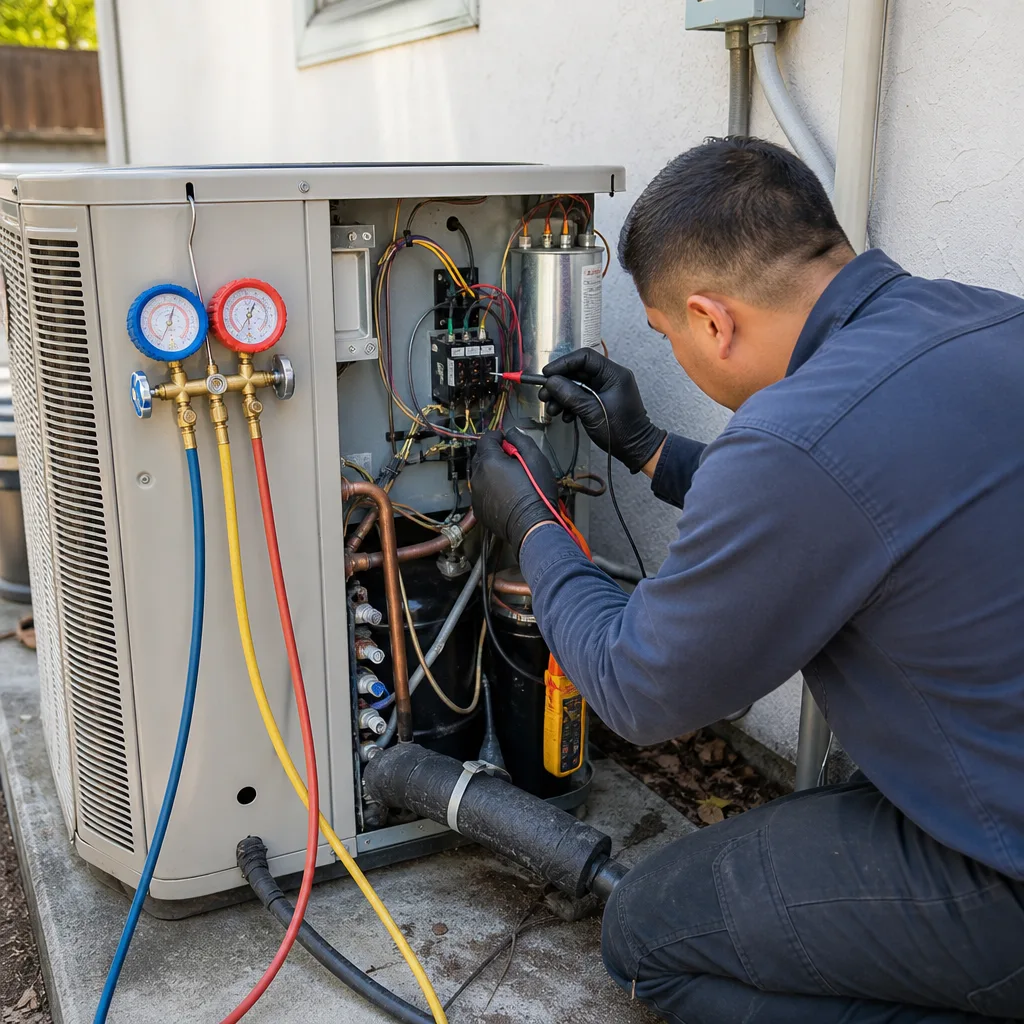 After
After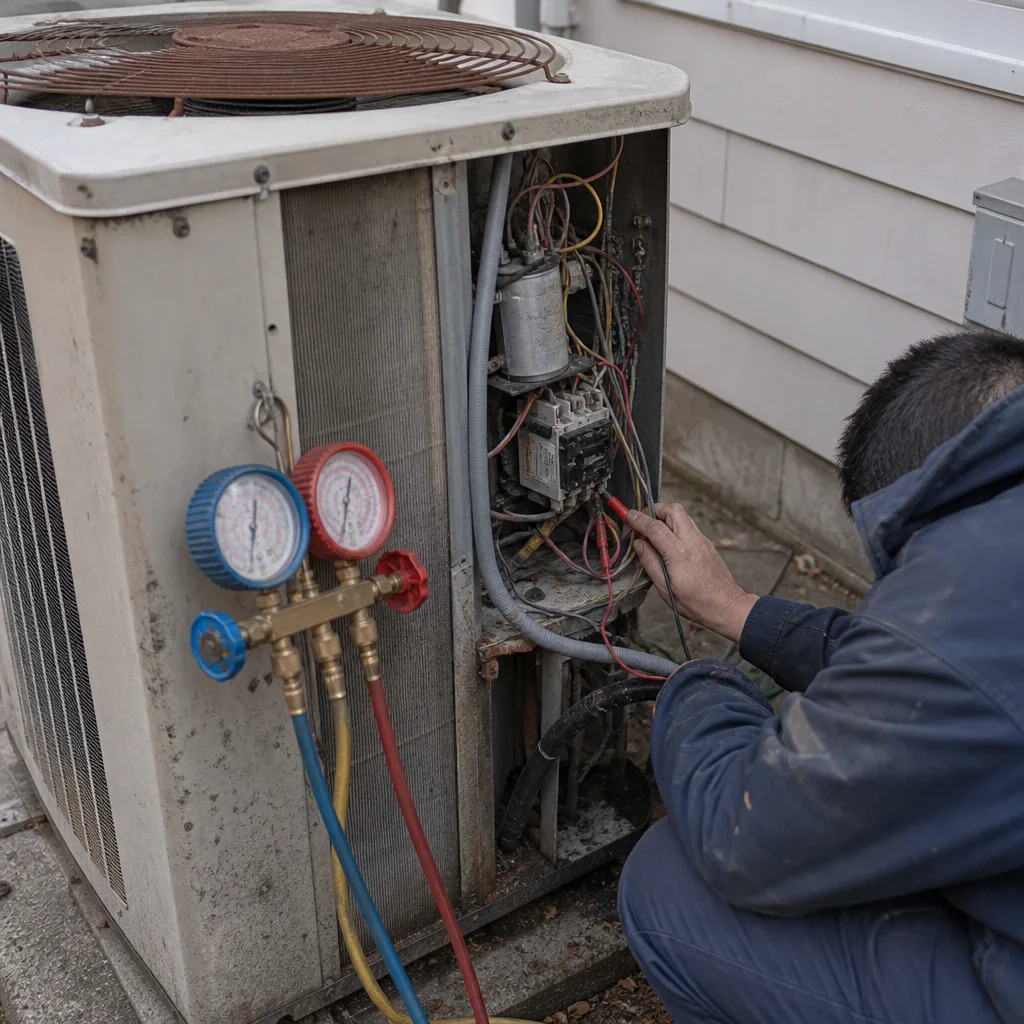 Before
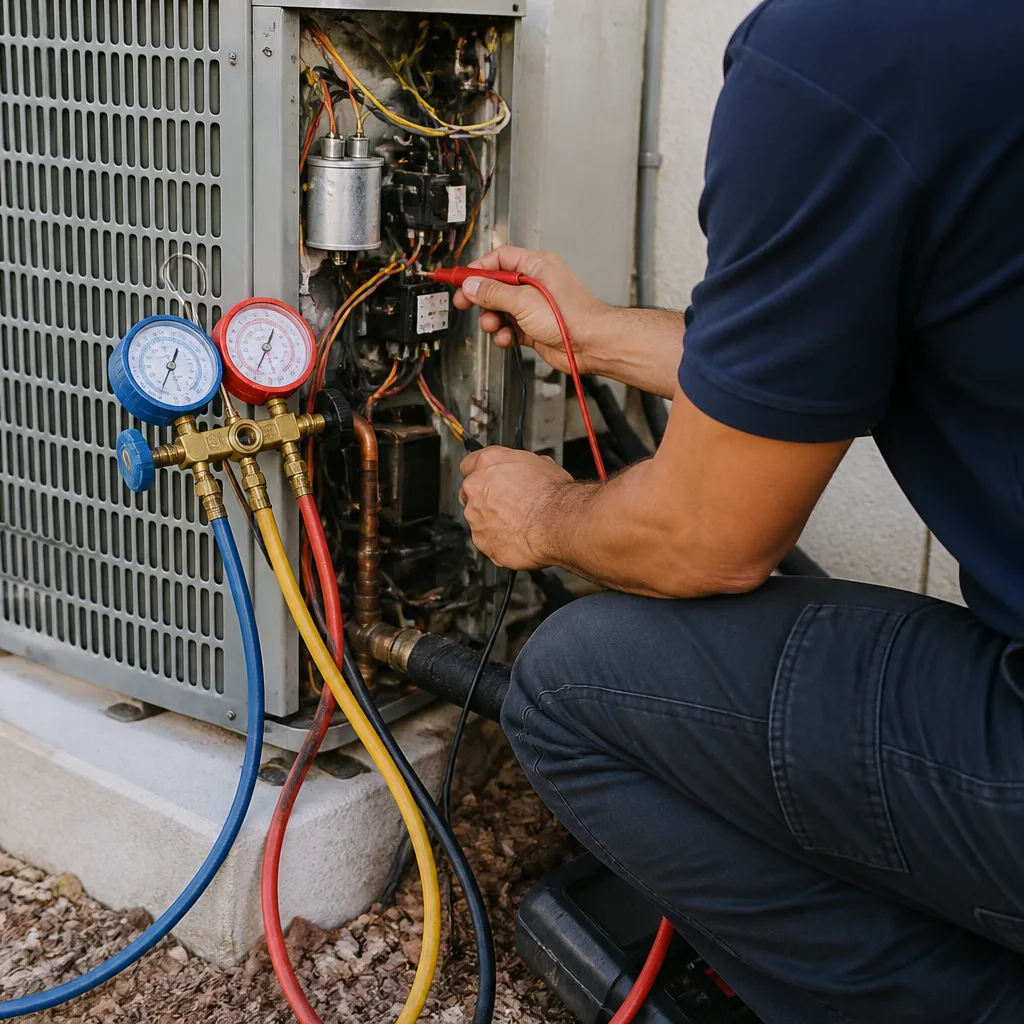 After
After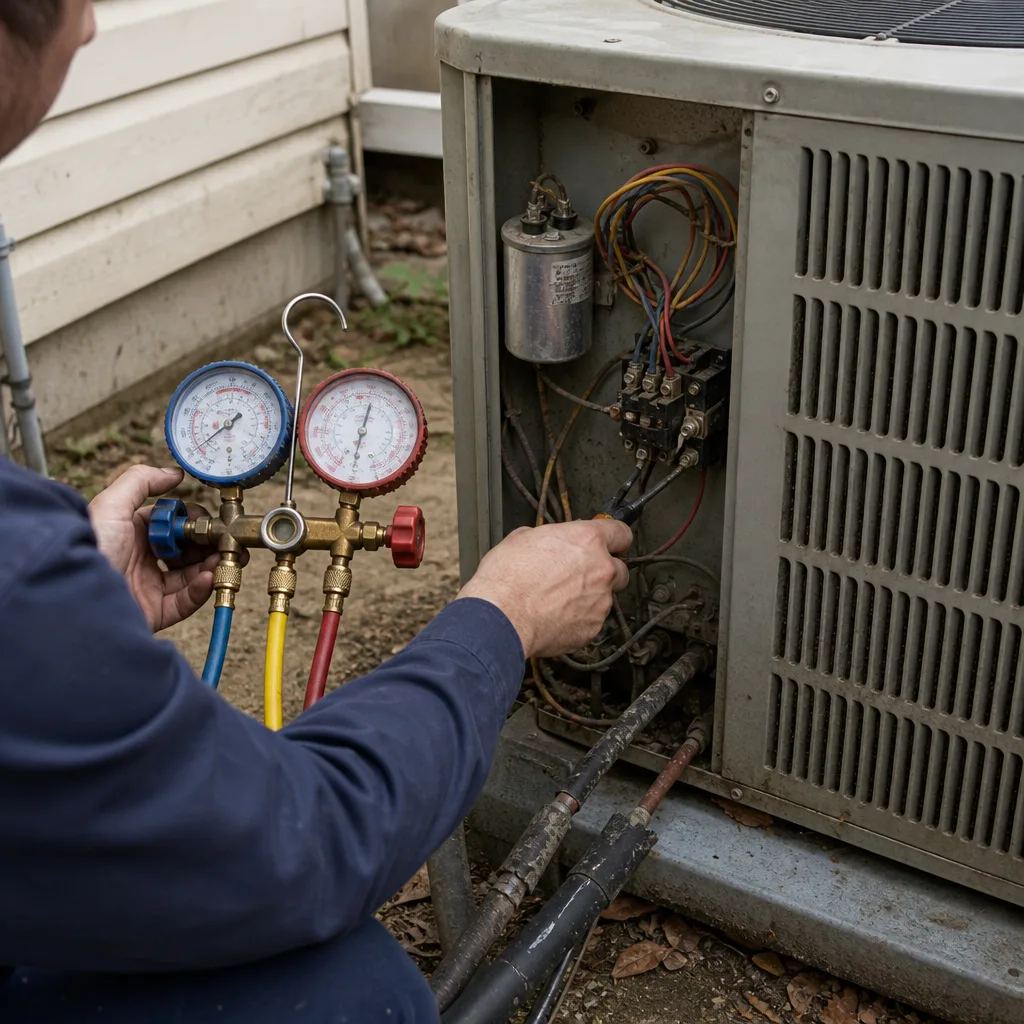 Before
 After
After