
Last updated October 16, 2026
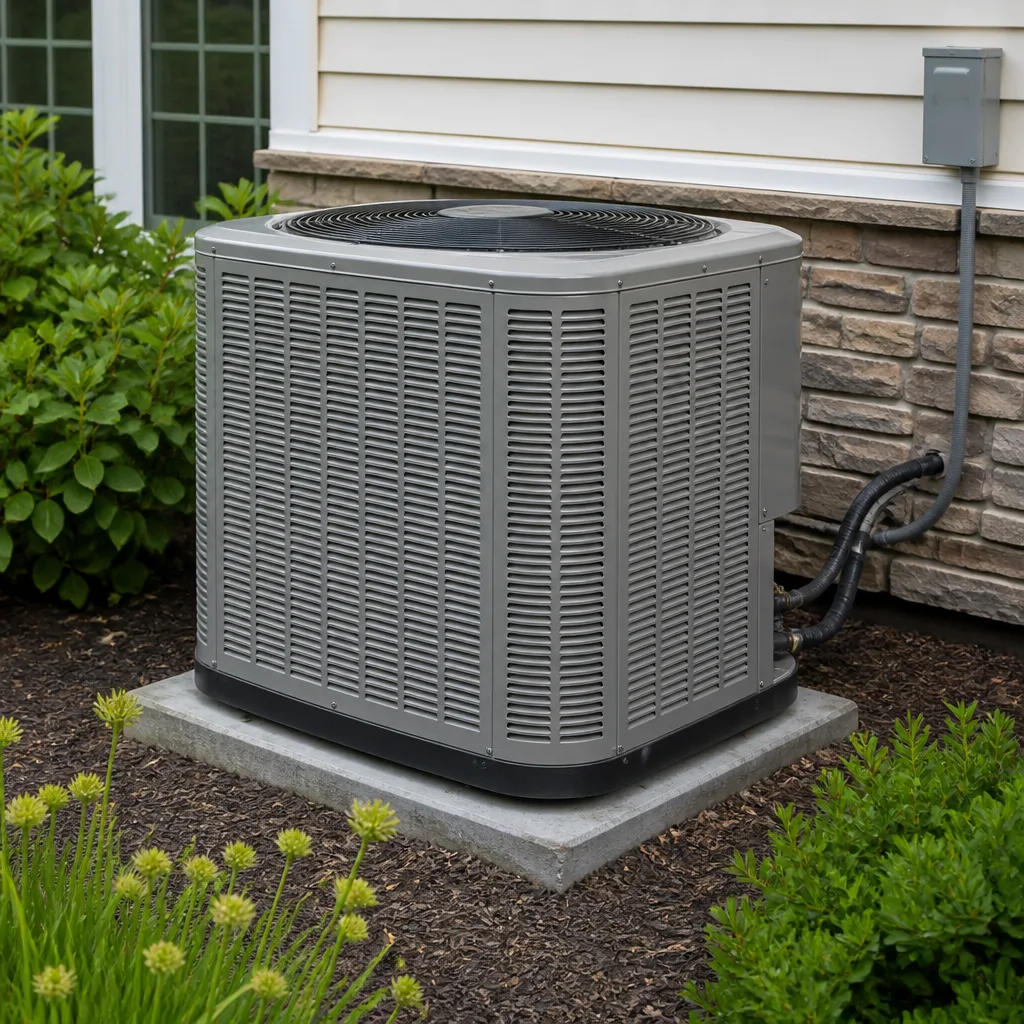 AC repair
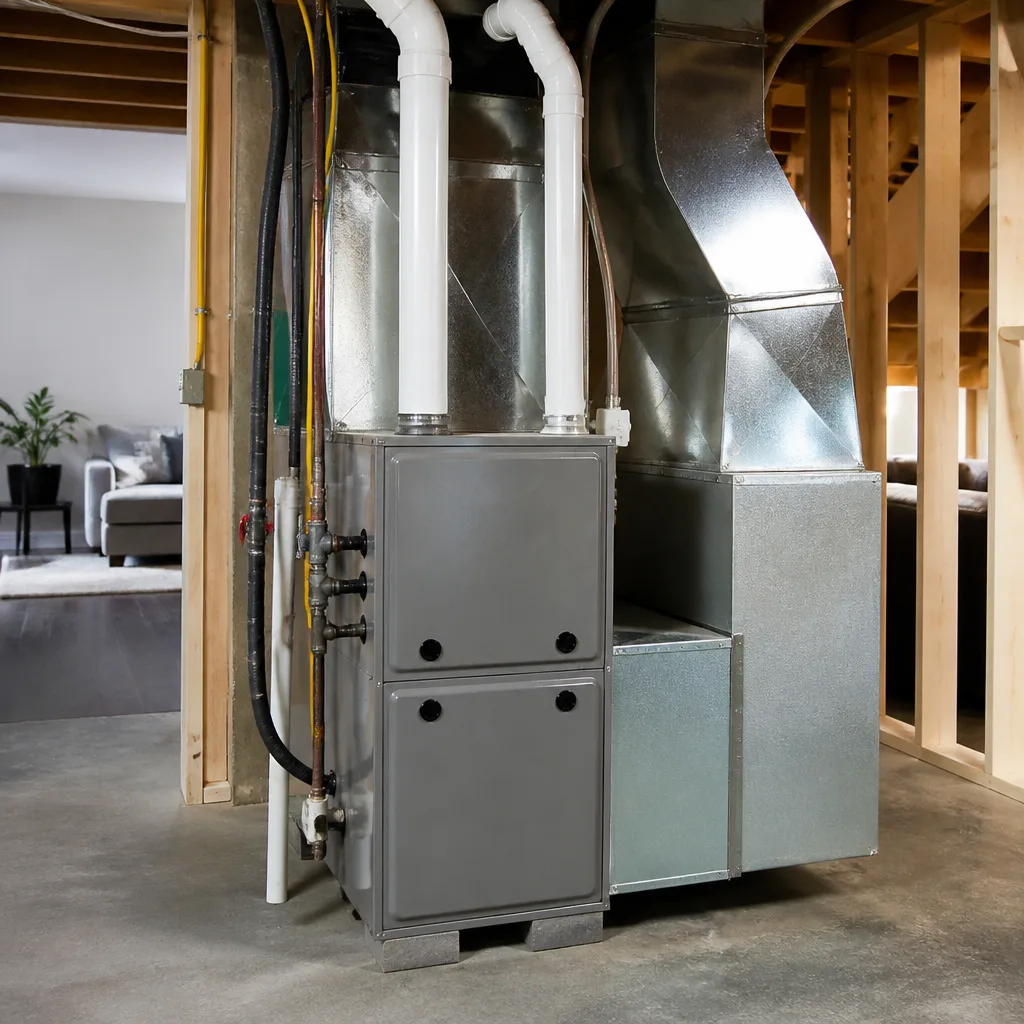 Furnace & heating
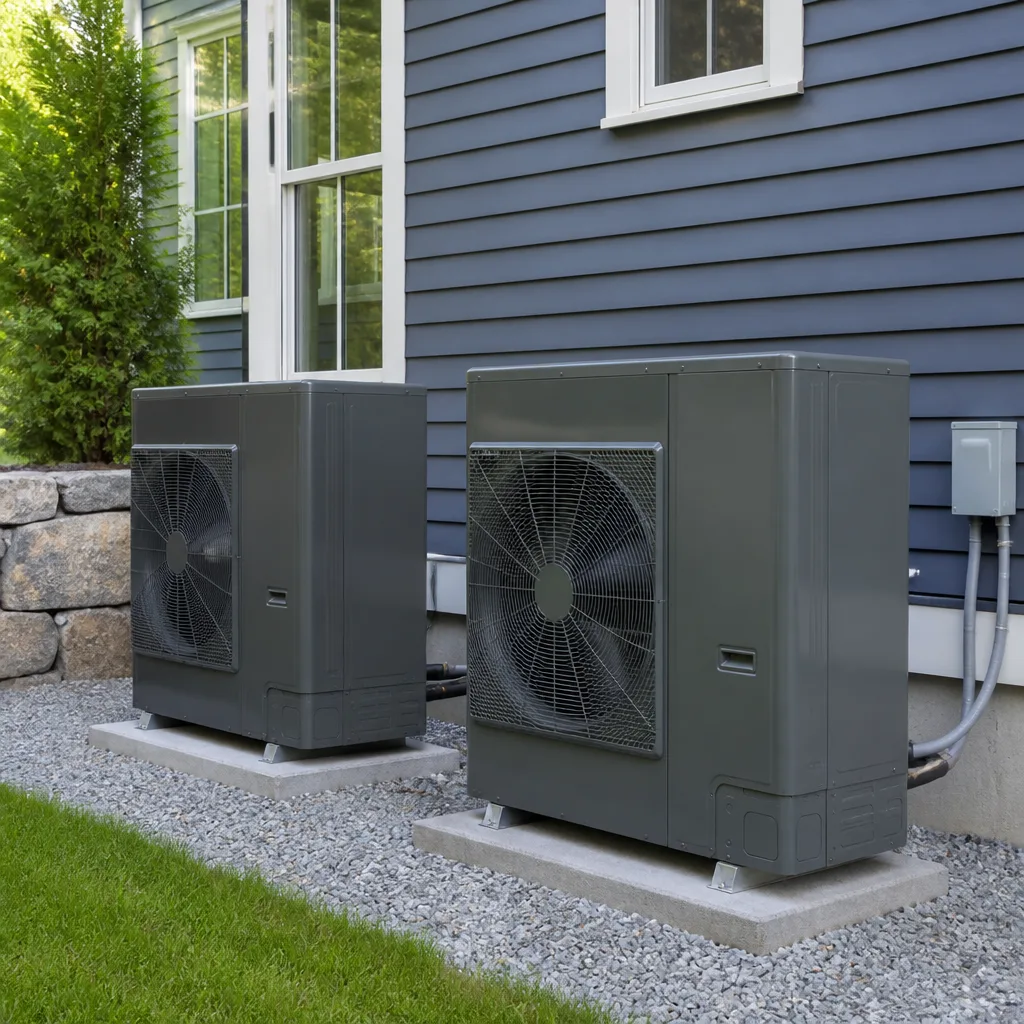 Heat pumps
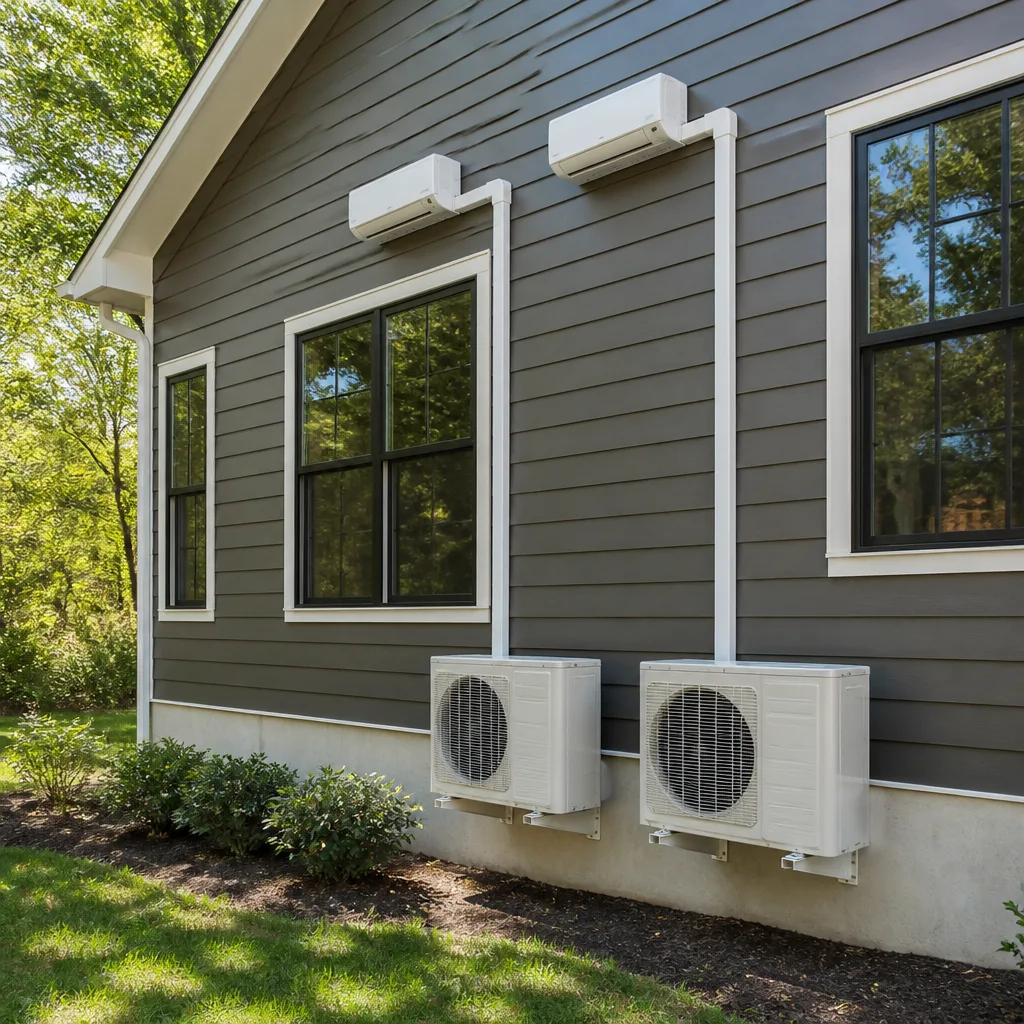 Ductless mini splits
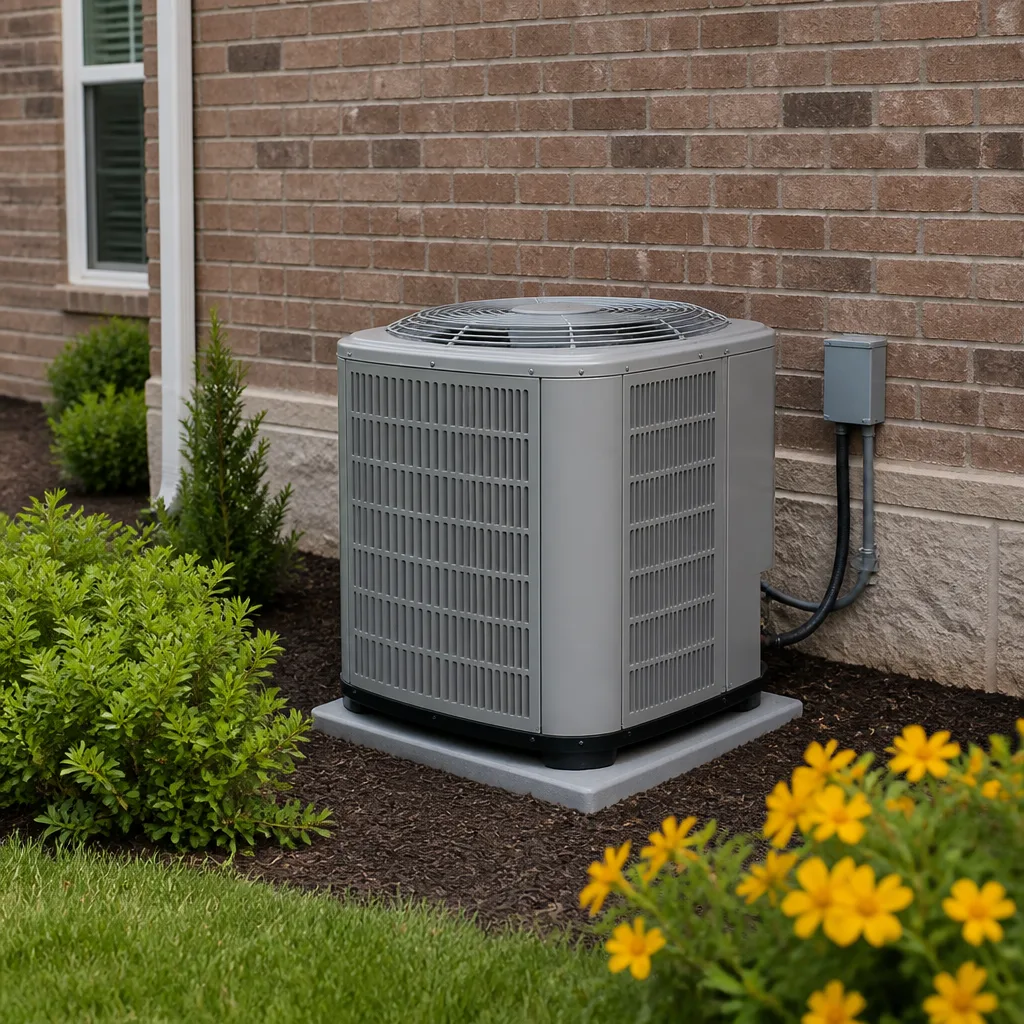 Carrier
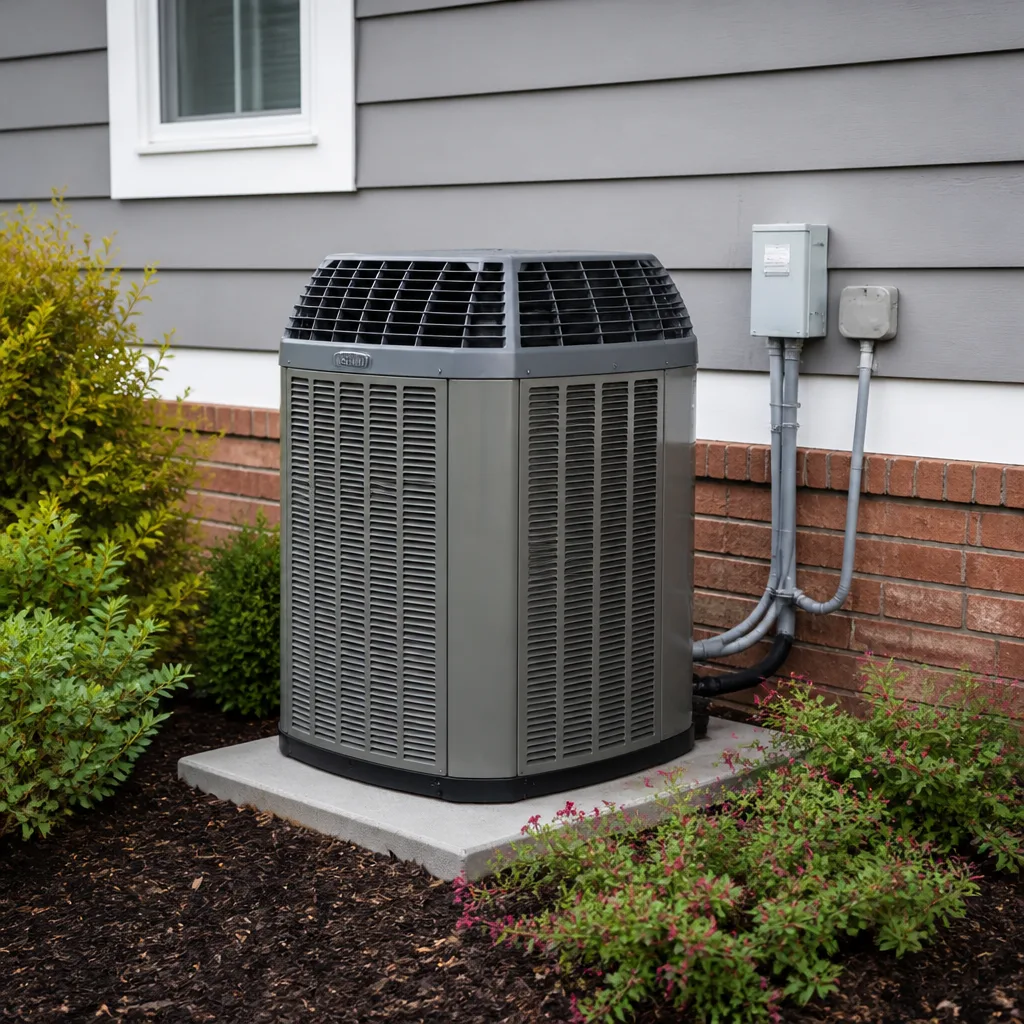 Trane
Trane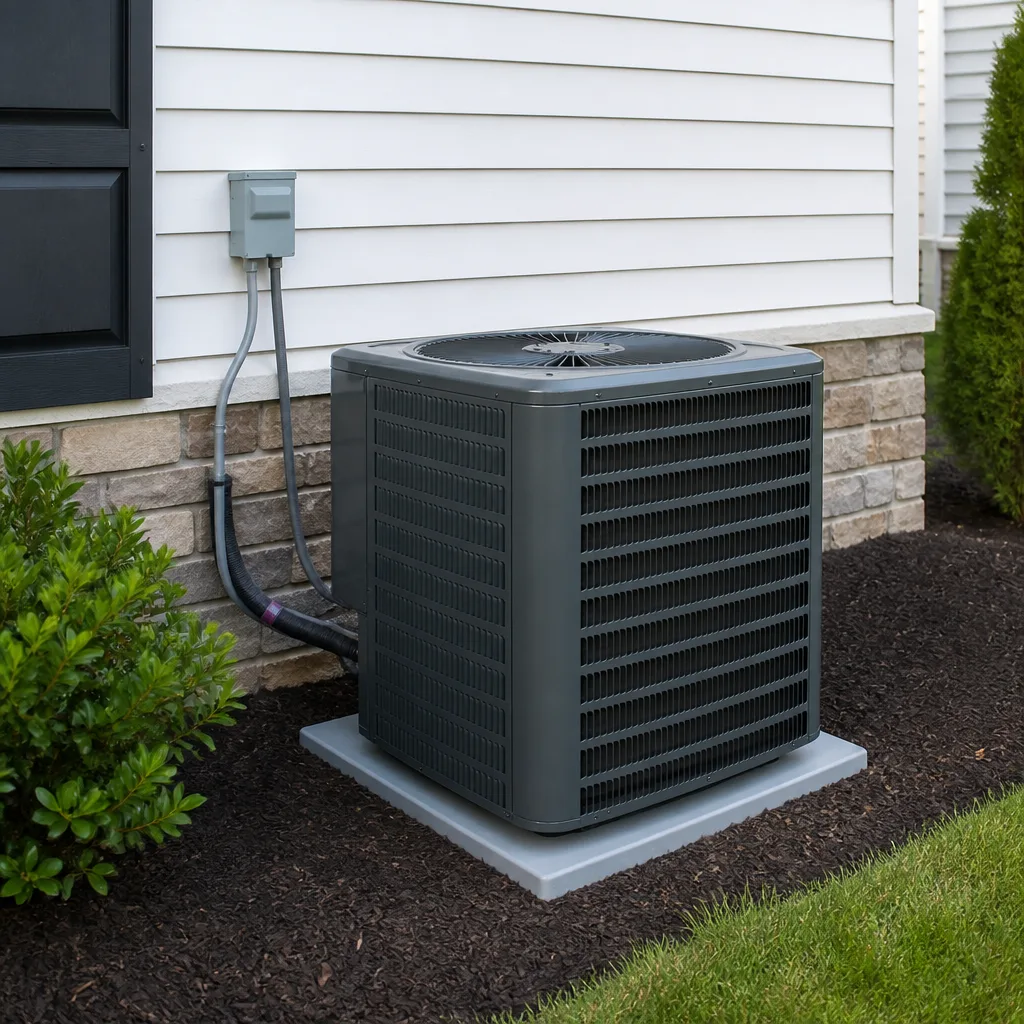 Goodman
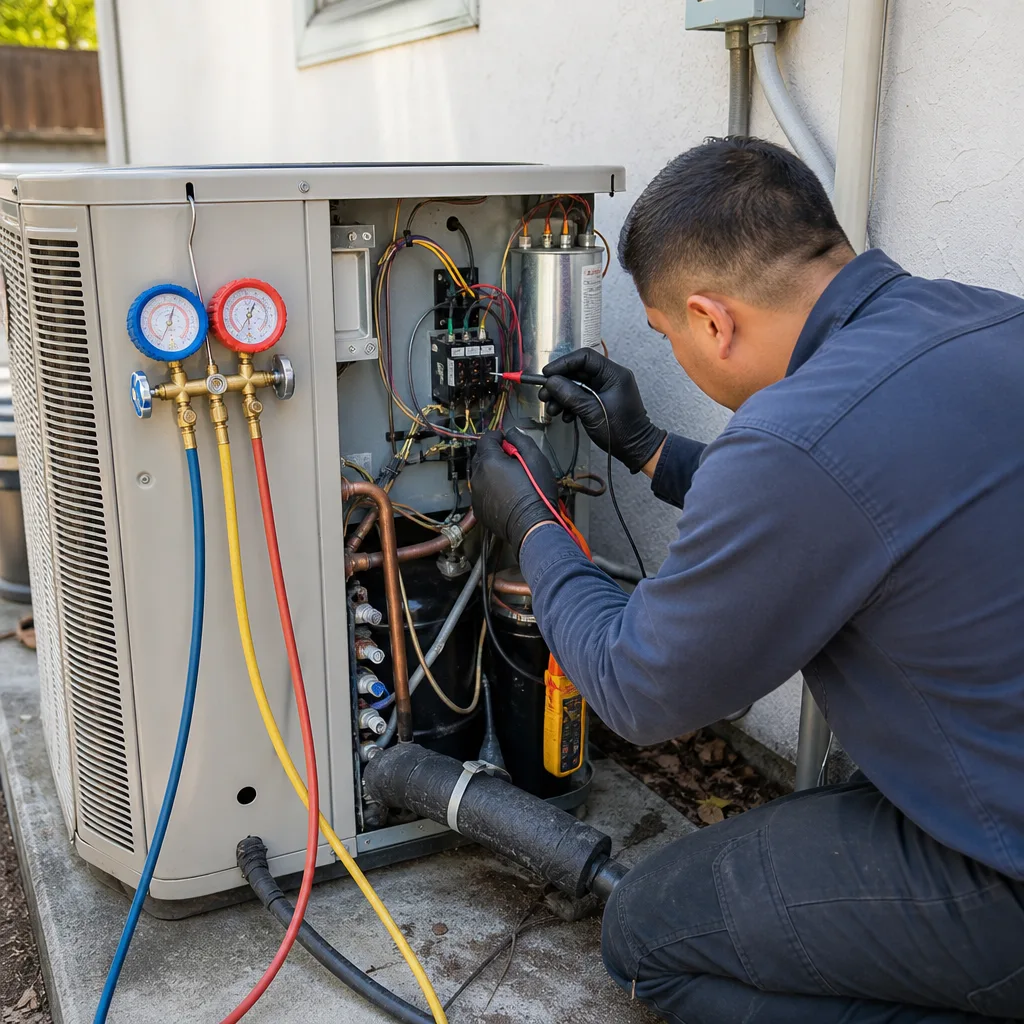
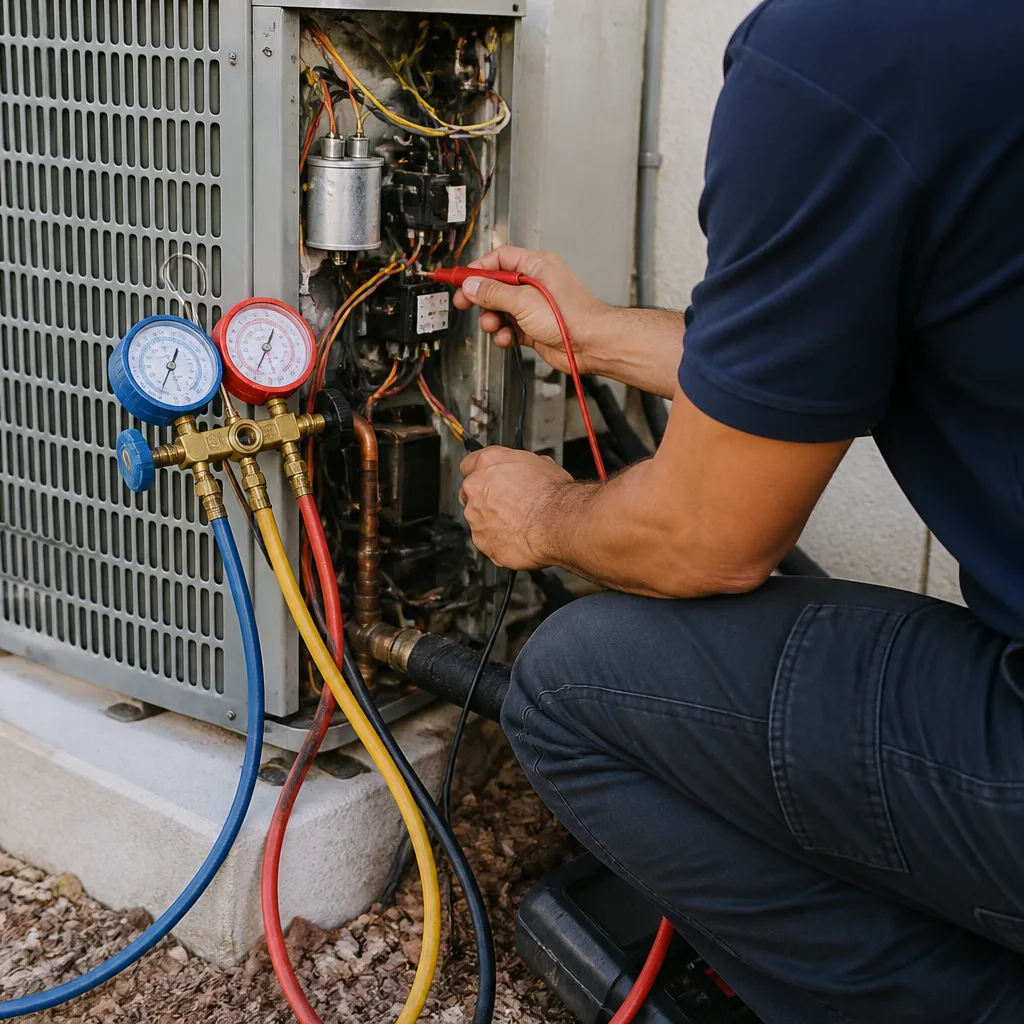
Seasonal tune-up and full diagnostic on your Carrier, Trane, or Goodman system - readings shown to you before any repair is proposed
Diagnosis first, numbers second - you approve the repair price before a single part goes in.
Get your free estimateThe Complete Guide to HVAC in Sacramento
Sacramento averages 73 days a year above 90°F, yet most HVAC guidance circulating online was written for a coastal California or national audience that never accounts for that kind of sustained load. A system sized for a mild Bay Area afternoon would practically collapse under a Sacramento Valley July. This guide was written from the flat, hot, fog-heavy, smoke-prone reality of this specific city. You’ll learn how Sacramento’s climate zones affect equipment sizing, which brands hold up in hot attics, why your SMUD bill looks the way it does in August, and how wildfire smoke seasons should change the way you think about filtration.
Quick Answer
HVAC in Sacramento is defined by one overriding fact: the equipment runs harder and longer in summer than in nearly any other California metro, with routine stretches above 100°F and overnight lows that never dip low enough to give systems a real break. What this means for homeowners is that sizing, filtration, maintenance intervals, and even thermostat programming need to be dialed in for the Valley specifically. A well-maintained system in Sacramento should last 12 – 15 years for the outdoor unit and 15 – 20 for the furnace, but only if it was correctly sized and receives consistent seasonal service.
Styles & brands we work with
Table of Contents
- Why Sacramento’s Climate Breaks Generic HVAC Advice
- Equipment Sizing: Why the Same House Needs Different AC in Natomas vs. Elk Grove
- Brand Durability in a Sacramento Attic: What Actually Holds Up
- How SMUD Rate Schedules Interact with HVAC Runtime Costs
- Wildfire Smoke, Tule Fog, and the Filtration Question
- Permits and Inspections: Sacramento County vs. City vs. Rancho Cordova
- The Maintenance Schedule That Actually Fits Sacramento’s Seasons
- Common Mistakes to Avoid
Why Sacramento’s Climate Breaks Generic HVAC Advice
Sacramento sits in a topographic bowl. The Sierra Nevada blocks marine influence from the east while the Coast Range limits it from the west. Hot air pools in the Central Valley, and it stays there. That’s why Sacramento regularly sees streaks of 100°F-plus days where the temperature never drops below 75°F at night. Your air conditioner is not just cooling your home; it’s fighting against thermal mass that has been soaking up heat for weeks.
The Delta breeze corridor, which runs from the Sacramento-San Joaquin Delta into the city’s southwest neighborhoods, does provide some evening relief near areas like Greenhaven, Pocket, and Land Park. But the breeze typically fades by late morning, and by 2 p.m., the cooling load in those neighborhoods is nearly identical to what inland areas like Citrus Heights or Folsom experience. What changes is the overnight recovery window, which is slightly longer near the Delta corridor. This means a correctly sized system in Greenhaven might be marginally smaller than one in Antelope, even for identically sized homes.
Winter adds a different complication: tule fog. Sacramento’s fog is dense, persistent, and damp. It does not freeze, which means your furnace is less concerned with extreme cold and more concerned with running long enough to dry out the air and keep humidity from soaking into drywall and furnishings. This is why Sacramento furnaces often need a humidistat strategy rather than a pure temperature-based one, something national guides rarely address.
Our team at Meadowsweet Heating and Air Sacramento home has spent years calibrating service calls around the Valley’s specific patterns. The homes are not the same, the equipment is not the same, and the advice should not be either.
Equipment Sizing: Why the Same House Needs Different AC in Natomas vs. Elk Grove
One of the most persistent mistakes we see in Sacramento is equipment sized using a generic “500 square feet per ton” rule. That rule fails the moment you factor in window orientation, attic insulation depth, duct leakage, and the local microclimate. A 2,000-square-foot home in Natomas, with its newer construction and modern insulation, may cool easily with a 3.5-ton system. The same 2,000-square-foot floor plan in an older Elk Grove neighborhood with original single-pane windows and a west-facing wall could realistically need 5 tons.
Here is what we look at when sizing for a Sacramento home:
- West-facing window area: Afternoon solar gain is the single biggest driver of cooling load in Sacramento. Homes with large west-facing glass need more capacity, better shading, or upgraded window film.
- Attic temperature reality: Sacramento attics routinely reach 140°F – 150°F in July. If the ductwork lives up there, you’re losing capacity before the air ever reaches a room. Duct insulation and radiant barrier become sizing factors, not accessories.
- Overnight recovery expectations: Some Sacramento homeowners want the house at 78°F during the day and 72°F by 9 p.m. A system that can handle the daytime load may struggle with fast evening recovery if it was sized at the edge. We account for what “comfortable” means to you, not a spreadsheet.
- Neighborhood-specific humidity pockets: Areas near the American River, like parts of Carmichael and Fair Oaks, carry more ambient moisture than, say, Foothill Farms. That humidity changes the sensible heat ratio of the system, which affects sizing.
Oversizing is just as damaging as undersizing in Sacramento. An oversized system short-cycles, which means it never runs long enough to pull humidity out of the air. The house feels cold and clammy instead of cool and dry. In tule fog season, an oversized furnace does the same thing: hot blasts followed by long off cycles that leave the home damp and uneven.
There is no shortcut here. The right answer comes from a Manual J load calculation specific to your address, your windows, your insulation, and your duct layout. We do that calculation on every AC Installation in Sacramento, because guessing means either wasted energy every summer or a house that never quite cools down in August.
Brand Durability in a Sacramento Attic: What Actually Holds Up
Sacramento’s equipment environment is punishing in a specific way. The outdoor condensing unit sits in direct sun with ambient temperatures routinely exceeding 105°F during peak afternoon hours. At the same time, the indoor evaporator coil and air handler may sit in a 140°F-plus attic. Very few equipment brands are engineered with that combination in mind. Even fewer survive past year five without proper attention.
Here is what we’ve observed working on equipment in Sacramento’s heat:
- Carrier: The Infinity and Performance lines tend to handle high-ambient operation well, particularly the two-stage compressors. The electronics are the weak point in extreme heat. When a Carrier board fails, it’s almost always in August, after weeks of sustained high-temperature operation.
- Trane: Trane’s spine-fin coil design is genuinely durable, and the compressors tolerate heat soak better than most. The trade-off is cost: Trane equipment and Trane-specific parts run higher, which matters when the five-year mark arrives and repairs start competing with replacement.
- Goodman: Goodman is the value play, and the newer compressors are far better than their reputation suggests. The issue we see regularly is installation quality. A Goodman system installed correctly in a Sacramento home will run for 12 – 15 years. The same system installed with shortcuts will fail in five. This brand rewards careful installation more than any other.
The brand matters less than you think. What matters more is how the system is installed and how it’s maintained. A mid-tier brand installed with proper airflow, correct refrigerant charge, and sealed ducts will outperform a premium brand that was slapped in without attention to detail. Sacramento’s heat exposes installation shortcuts faster than almost any other climate in California.
When we replace equipment, whether it’s a full system or just a failing AC, we start with the home’s actual conditions, not a catalog. If you’re dealing with a failing unit, our AC Repair in Sacramento team will tell you plainly whether repair or replacement is the better financial decision.
How SMUD Rate Schedules Interact with HVAC Runtime Costs
Sacramento Municipal Utility District (SMUD) runs on a time-of-day rate structure for most residential customers. Peak pricing typically lands between 5 p.m. and 8 p.m. on weekdays. That is also, inconveniently, when the outdoor temperature is still high and families are arriving home and turning the thermostat down. A standard programmable thermostat set on a generic “away all day, cool at 5 p.m.” schedule will drive your system to recover exactly when electricity is most expensive.
Here is the strategy that actually fits Sacramento’s rate schedule:
- Pre-cool the house between 2 p.m. and 4 p.m. During this window, rates are lower than the 5 – 8 p.m. peak. Drop the thermostat 2 – 3 degrees below your target while power is cheaper.
- Coast through the peak window. From 5 p.m. to 8 p.m., set the thermostat 2 – 3 degrees above your comfort target and let the thermal mass of the house carry you through. The house will warm slowly, but it won’t spike.
- Resume normal cooling after 8 p.m. Rates drop again, and the outdoor temperature is finally starting to fall. The system runs efficiently and the house recovers quickly.
- Use ceiling fans during the peak window. A fan does not cool the air, but it moves it across your skin and makes 78°F feel like 75°F. This keeps you comfortable while the AC works less.
National thermostat advice tells you to “set it and forget it.” In Sacramento, that advice leaves real money on the table. The savings vary by home size and equipment efficiency, but pre-cooling combined with peak avoidance can easily cut $40 – $80 off a summer SMUD bill. Over a five-month cooling season, that’s $200 – $400.
If your thermostat is old, upgrading to one that can handle multiple daily schedules is worth the investment. Just make sure it’s compatible with your system before you buy one. A smart thermostat wired incorrectly can damage a control board, and those failures spike in Sacramento’s summer heat.
Wildfire Smoke, Tule Fog, and the Filtration Question
Sacramento’s air quality is shaped by two phenomena that coastal-market HVAC guides skip entirely: wildfire smoke season and winter tule fog. Both put real strain on your system’s filtration, and both require different responses.
Wildfire smoke season now runs roughly from July through October in Sacramento, with August and September being the worst months. Smoke particles range from large visible ash down to PM2.5 particles small enough to enter your bloodstream. Your HVAC system’s filter is the first line of defense, but only if it’s the right filter and only if the system is running enough to actually filter the air.
Here’s what works in Sacramento’s smoke season:
- Upgrade to a MERV 13 filter during smoke months. A MERV 13 filter captures most PM2.5 particles. However, it also restricts airflow, which means your system has to work harder. If your ductwork is older or undersized, a MERV 13 can push your AC past its limits during a heat wave. We check static pressure before recommending a filter upgrade.
- Run the fan continuously during heavy smoke days. Even when the AC is not cooling, running the blower keeps air moving through the filter. This is the single most effective thing you can do for indoor air quality during smoke events.
- Do not use a portable air purifier as a substitute for HVAC filtration. A portable unit cleans one room. Your HVAC system cleans the whole house. They complement each other; they don’t replace each other.
Tule fog is a different problem. When fog sits in the Valley for days or weeks, outdoor humidity stays high, and that moisture makes its way indoors. Your furnace, which dries the air by heating it, is your main humidity control tool in winter. But if your furnace is oversized, it short-cycles and never runs long enough to dry the air properly. The result is a cold, damp house that feels uncomfortable even at 72°F.
The fix is the same as with cooling: correct sizing, proper airflow, and a system that runs long, steady cycles instead of short bursts. If your home feels clammy during Sacramento’s foggy winters, the problem is rarely the furnace’s heating capacity. It’s almost always sizing or airflow.
Permits and Inspections: Sacramento County vs. City vs. Rancho Cordova
Sacramento is a patchwork of jurisdictions, and the permit rules change depending on your address. City of Sacramento residents fall under the city’s building department. County residents fall under Sacramento County. Rancho Cordova, Citrus Heights, Elk Grove, and Folsom all have their own processes. The differences are not dramatic, but they do affect timelines and costs.
Here’s what we tell homeowners:
- A permit is required for equipment replacement. Replacing an air conditioner or furnace in Sacramento is not a handshake job. Mechanical permits are required, and the work must be inspected. A contractor who offers to do it “without the hassle of permits” is creating a liability for you, not a convenience.
- City of Sacramento typically processes mechanical permits faster than the County. Depending on the season, city permits can clear in a matter of days. County permits may take a week or more during peak season. This affects scheduling, especially during summer when everyone is replacing failed systems at the same time.
- Rancho Cordova requires a final inspection before the system can legally operate. This is strictly enforced. If you’re in Rancho Cordova, plan for inspection scheduling to be part of the installation timeline, not an afterthought.
- Unincorporated Sacramento County has scattered zoning overlay rules. Some neighborhoods have additional requirements related to noise, equipment placement, or historic preservation. We check these before we start, not after we’re done.
The permitting process is not something you need to navigate alone. A qualified contractor handles the application, schedules the inspection, and makes sure the work passes. If a contractor is evasive about permits, that’s a red flag worth paying attention to, so consult our How to Hire a HVAC Contractor in Sacramento: A Step-by-Step Guide for more vetting tips.
When we handle a Furnace Repair in Sacramento or replacement, the permit is part of the job, not an optional add-on. The written price we provide before any work starts includes the permit and the inspection.
The Maintenance Schedule That Actually Fits Sacramento’s Seasons
Sacramento’s HVAC maintenance calendar looks different from a national “spring and fall” guide. Our seasons don’t align with the rest of the country. Here’s the schedule we recommend for Sacramento homes:
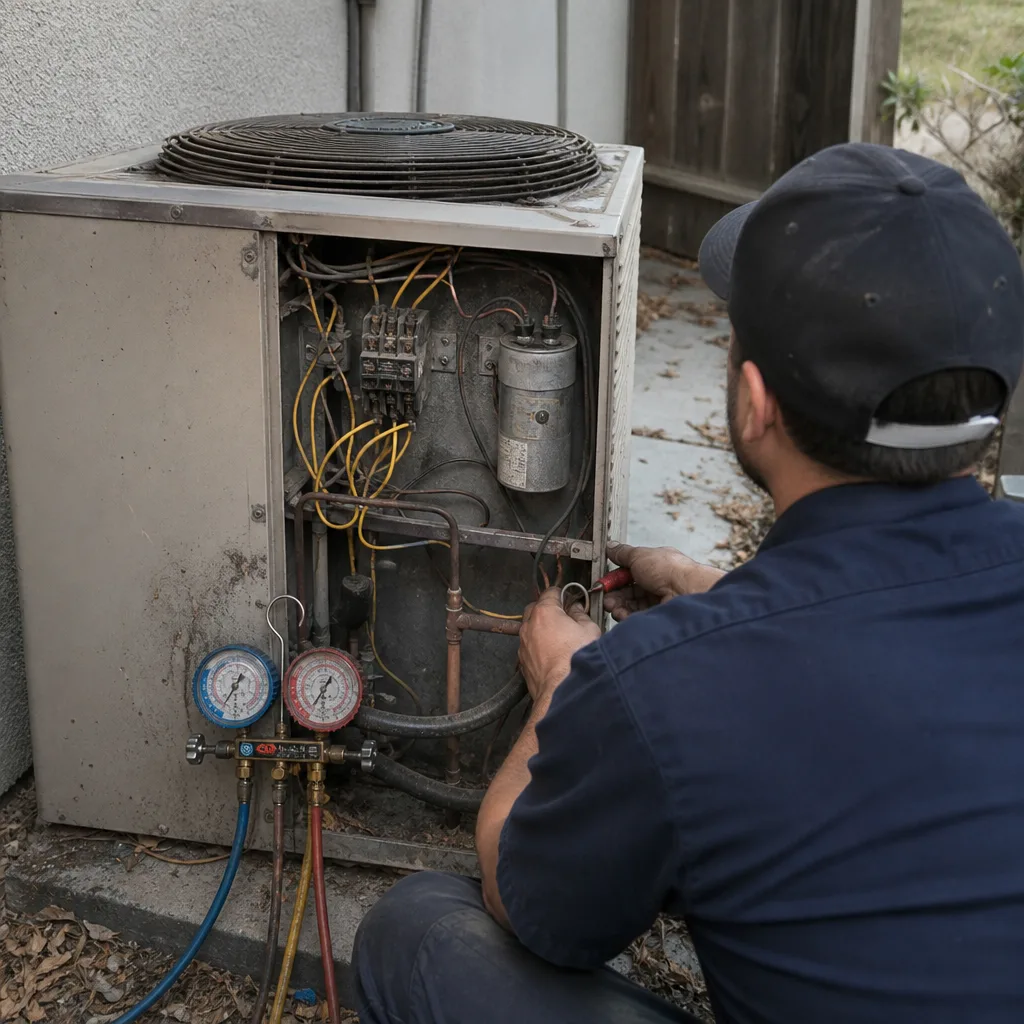
- Early spring (March – April): This is when you should prepare the AC. By the time the first heat wave hits in May or June, the system needs to be ready. A tune-up in March catches minor issues before they become August emergencies. We check refrigerant charge, clean the outdoor coil, inspect electrical connections, and measure airflow.
- Mid-summer (July): This is a monitoring month, not a service month. Check your filter every 30 days or less. During heavy smoke or extended heat, check it every 2 weeks. A clogged filter in Sacramento’s July heat can cause a compressor failure within days.
- Early fall (October): Have the system inspected after the summer season. Sacramento’s summer is brutal on equipment, and early fall is the best time to catch wear before winter. This is also when we visually inspect the heat exchanger for cracks and test the burners before furnace season starts.
- Late fall (November – December): Furnace service should happen before the first extended fog event. You want the system checked and ready before you actually need it. Waiting until the first cold snap means waiting in line behind three hundred other homeowners who did the same thing.
- Closing vents in unused rooms to save energy. This raises static pressure in the system and forces the blower to work harder. In Sacramento’s summer heat, that added strain shortens equipment life and increases the chance of a mid-July failure.
- Setting the thermostat below 70°F during a heat wave. Most Sacramento AC systems are designed for a 20-degree temperature differential. When it’s 105°F outside, a 70°F setting is asking for a system that runs continuously and still can’t keep up. Set a realistic target and let the system cycle.
- Skipping fall furnace service because “it worked last year.” Sacramento furnaces sit unused for six to eight months. The first cold snap is when a cracked heat exchanger or a failed ignitor makes itself known. October service is cheap compared to a no-heat emergency in December.
- Buying the biggest system you can find. Oversizing causes short cycling, poor humidity control, and premature failure. The right system for a Sacramento home is the one that matches the actual load, not the one with the highest tonnage number on the box.
- Ignoring duct leakage. Sacramento attics are hot, and leaky ducts lose cooled air at an alarming rate. A 20% duct leak means you’re paying to cool your attic. Duct sealing is one of the highest-return HVAC investments in the Sacramento market.
- Assuming a new system means no maintenance. New equipment under warranty still needs annual service. Most manufacturer warranties require documented maintenance to remain valid. Skipping service is how a 5-year-old system fails and the warranty claim gets denied.
Between these milestone services, the most important thing you can do is change your filter. In Sacramento, during August and September, a filter can clog in two weeks. The cost of a $20 filter vastly outweighs the cost of a compressor that failed because it was starved for airflow.
Common Mistakes to Avoid
See the difference
 Before
 After
After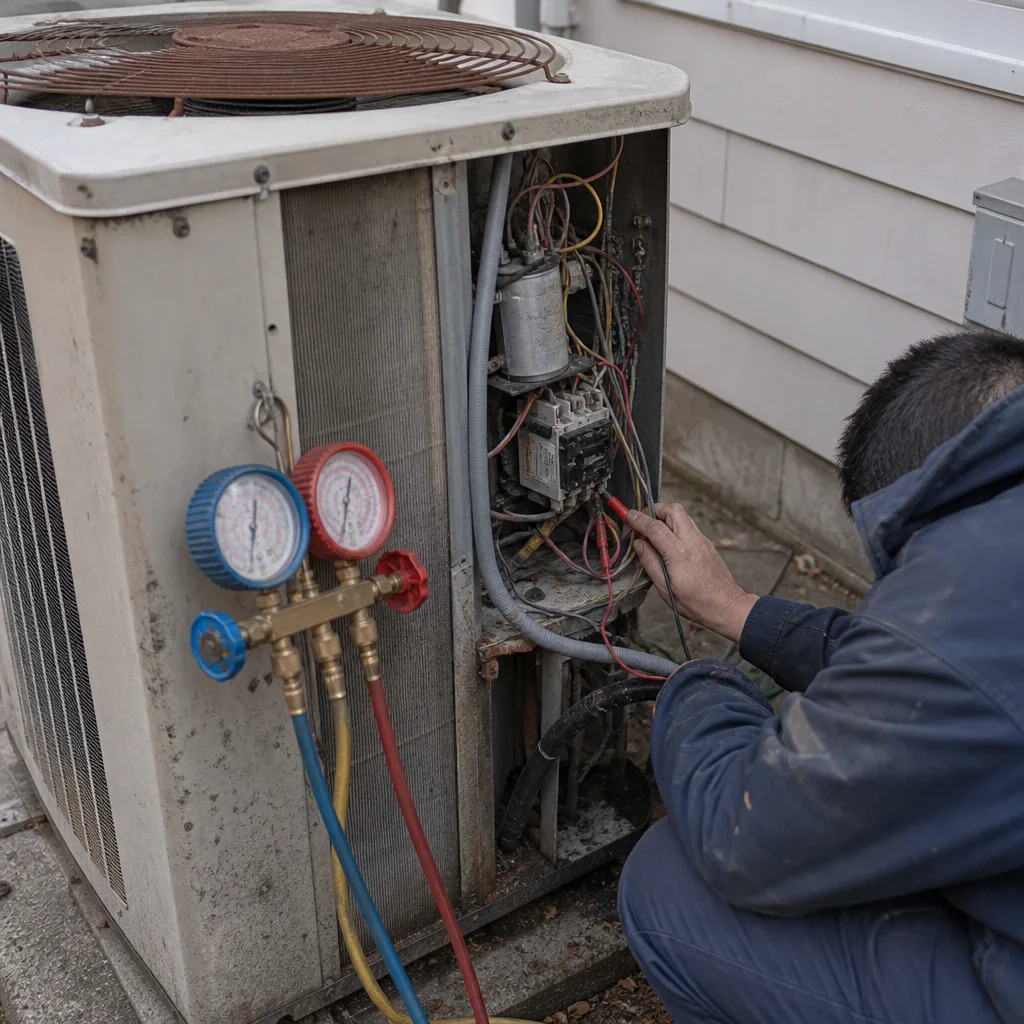 Before
 After
After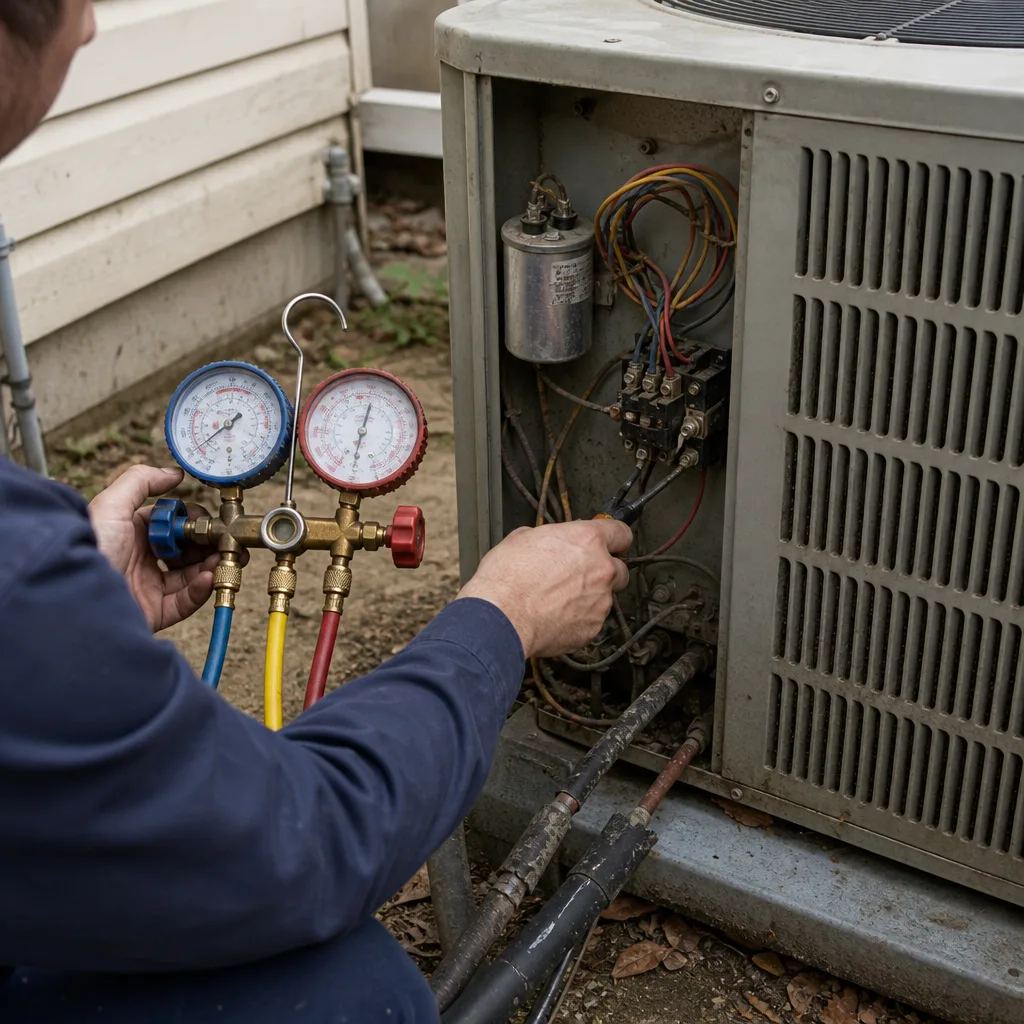 Before
 After
AfterWhen to Call a Professional
Some HVAC problems are safe to investigate on your own: a tripped breaker, an obviously clogged filter, a thermostat that lost its programming. Beyond that, this is not equipment to tinker with, and our DIY vs Professional HVAC: The Sacramento Homeowner’s Decision Guide explains where to draw the line. If you hear grinding, banging, or screeching from the outdoor unit, if the AC is running but the air coming from the vents is warm, or if you smell a burning odor from the furnace, shut the system off and call someone who works on this every day. Refrigerant, high-voltage electrical, and gas-fired heat exchangers are not DIY territory. They can cause serious injury, property damage, or fire.
Meadowsweet Heating and Air Sacramento home offers free estimates in Sacramento. Call (279) 263-8708 and a live person will answer, day or night. Our technicians arrive in uniform, wear shoe covers, lay down drop cloths, and provide a written price before any work starts.
Frequently Asked Questions
A full system replacement in Sacramento typically runs between $8,500 and $14,000, depending on equipment efficiency, home size, and duct condition. See our HVAC Cost Breakdown: The Sacramento Homeowner’s Reference for 2026 for detailed pricing factors. A basic AC-only replacement usually lands between $4,500 and $7,500. The spread is wide because Sacramento homes vary dramatically: a tightly built house in Natomas costs less to equip than a 1970s ranch in Arden-Arcade with original ducts. Call (279) 263-8708 for an exact written quote.
In Sacramento’s climate, an air conditioner typically lasts 12 – 15 years, while a furnace lasts 15 – 20 years. Systems that run harder during summer heat waves and are not serviced annually will trend toward the low end of that range. Systems installed with proper sizing and maintained consistently can exceed it.
In most cases, yes. We keep our Sacramento service schedule flexible during summer months specifically because we know a failed AC in 105°F heat is an emergency. During peak season, same-day availability is not guaranteed for every call, but we prioritize no-cooling emergencies. Call (279) 263-8708 and we’ll tell you when a technician can be there.
The answer depends on your home’s square footage, insulation, window orientation, and duct condition. A 2,000-square-foot home in Sacramento can need anywhere from 3 to 5 tons depending on these factors. The only reliable way to know is a Manual J load calculation. Guessing based on square footage alone is how homes end up with systems that never cool properly.
The general rule is this: if the repair costs less than half the price of a new system and the equipment is under 10 years old, repair makes sense. If the equipment is past 12 years old and facing a major repair like a compressor replacement, replacement is usually the better financial decision. Sacramento’s heat means a failing system costs you more every summer, so we will always give you an honest comparison and let you decide.
Yes. SMUD offers rebates for high-efficiency equipment upgrades, and some manufacturers run seasonal promotions. The exact rebate amounts change periodically, so it’s worth checking current programs before you commit to a system. We handle the rebate paperwork as part of our installation process.
The Bottom Line
Sacramento’s HVAC reality is different from the rest of California, and it deserves a different playbook. For more guides & resources tailored to local homeowners, explore our blog. The summer heat is relentless, the winter fog is persistent, and the smoke seasons are getting longer. Your system is not just an appliance; it’s the device that keeps your family comfortable and safe through all of it. What matters most is not the brand whisper or the flashy marketing. It’s honest sizing, consistent maintenance, and installation work that treats your home like a home. Get those three things right, and the equipment will do its job for years. Get them wrong, and Sacramento’s climate will expose it fast.
Written by Luis Serrano, Owner at Meadowsweet Heating and Air Sacramento, serving Sacramento since 2004.