
Last updated October 16, 2026
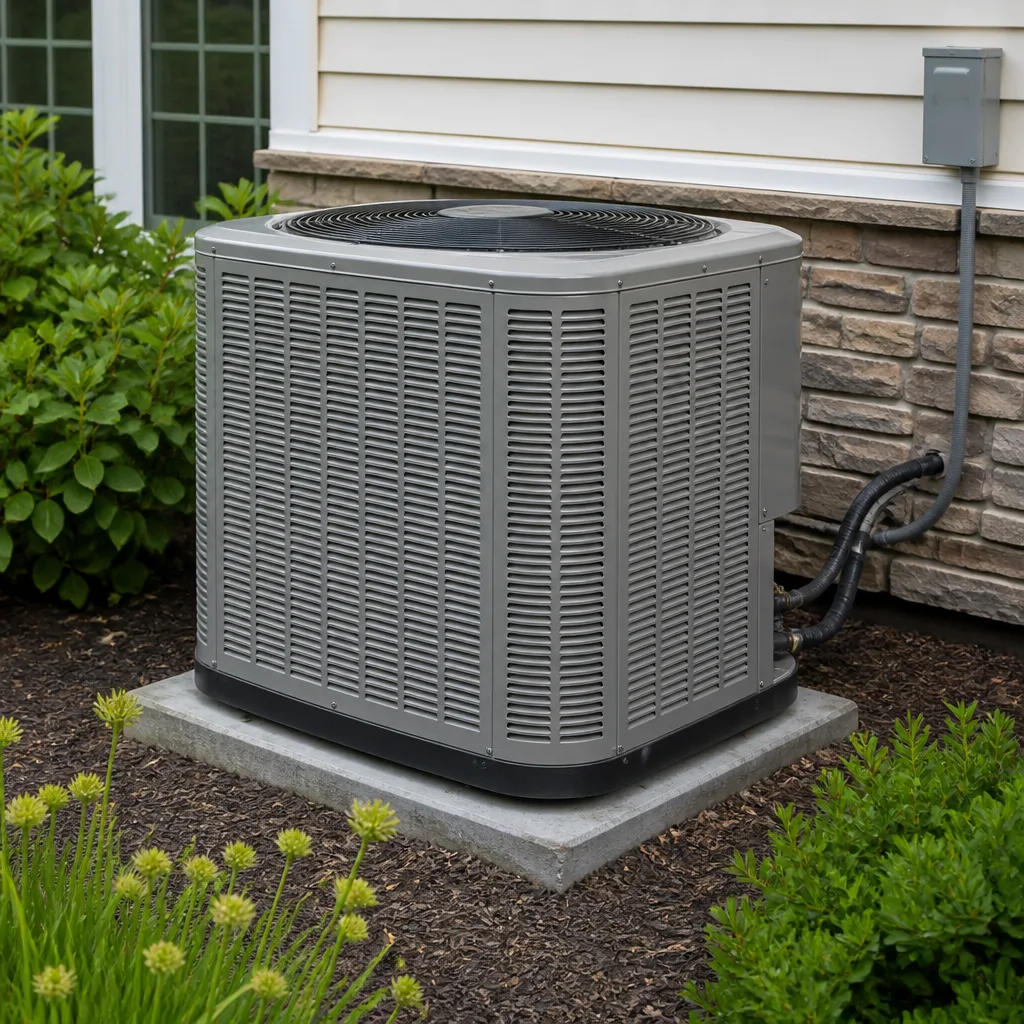 AC repair
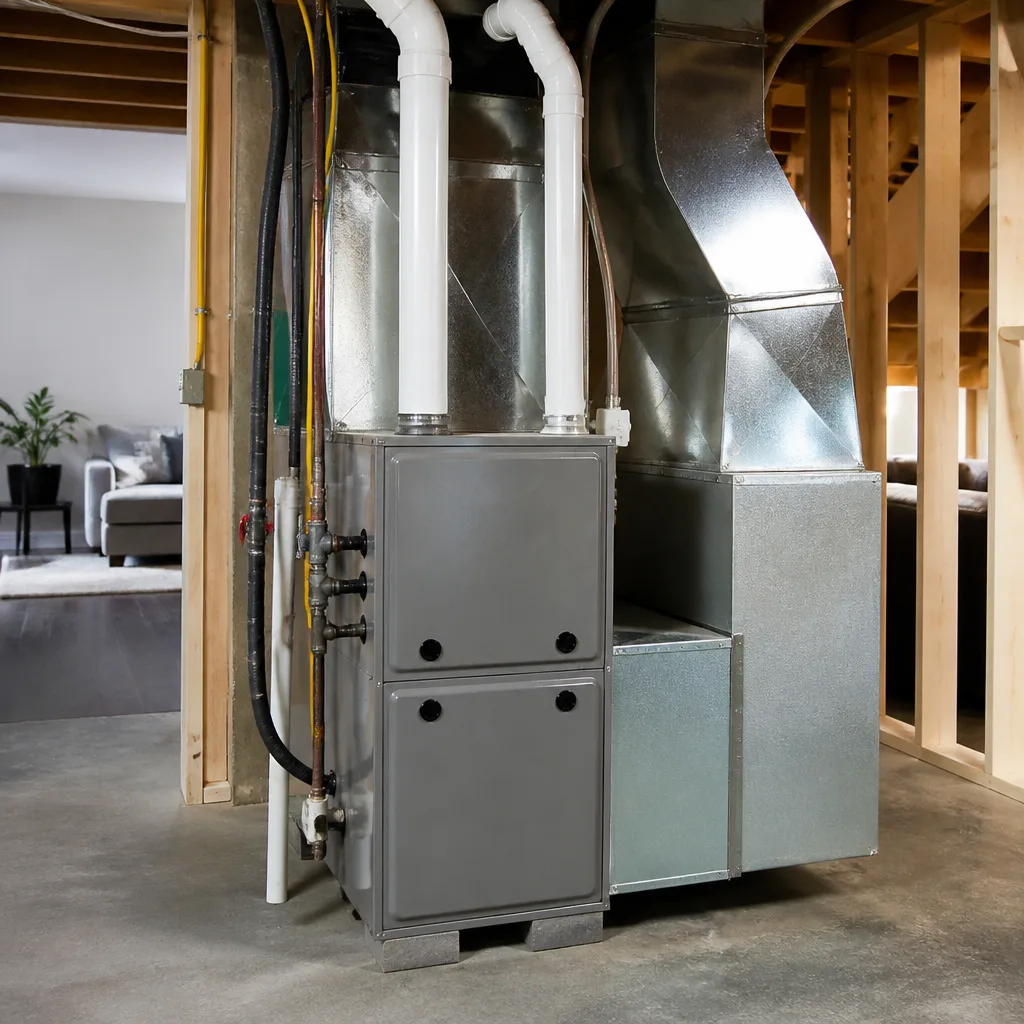 Furnace & heating
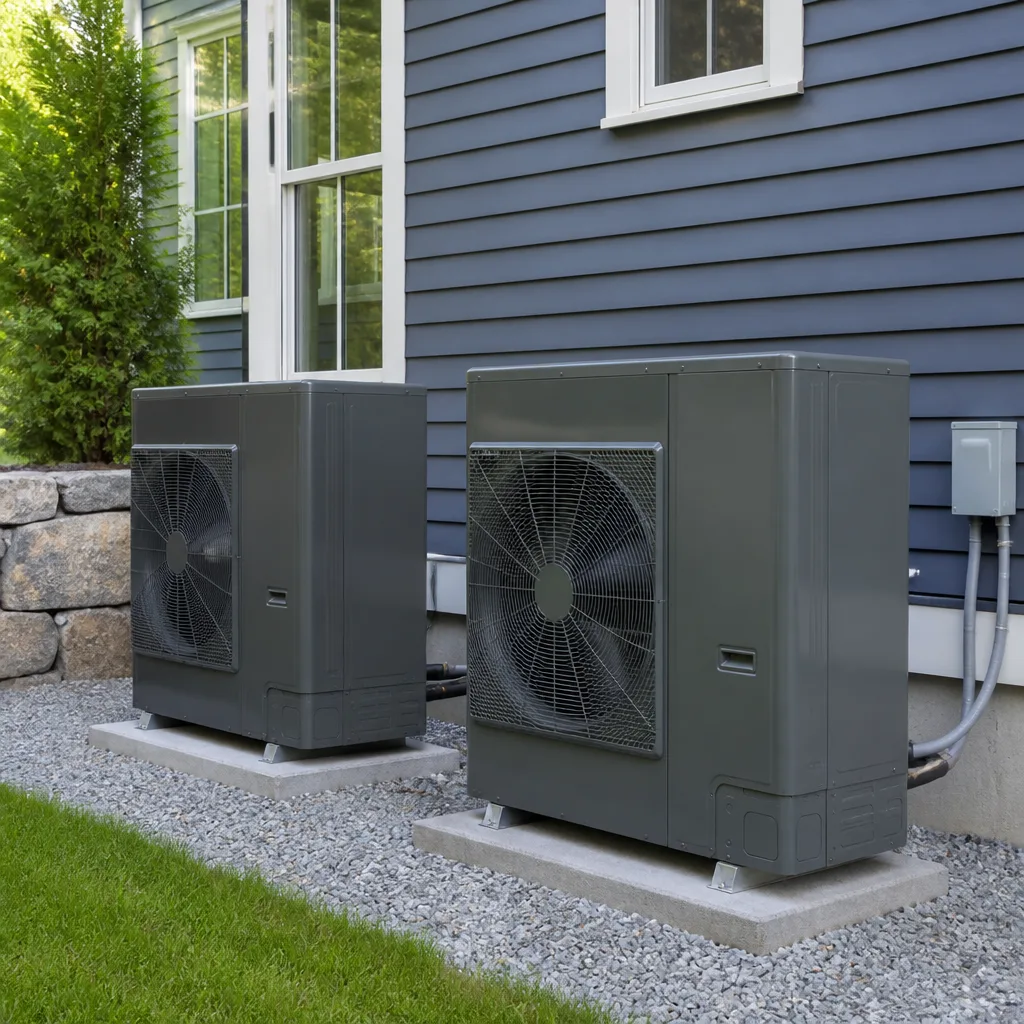 Heat pumps
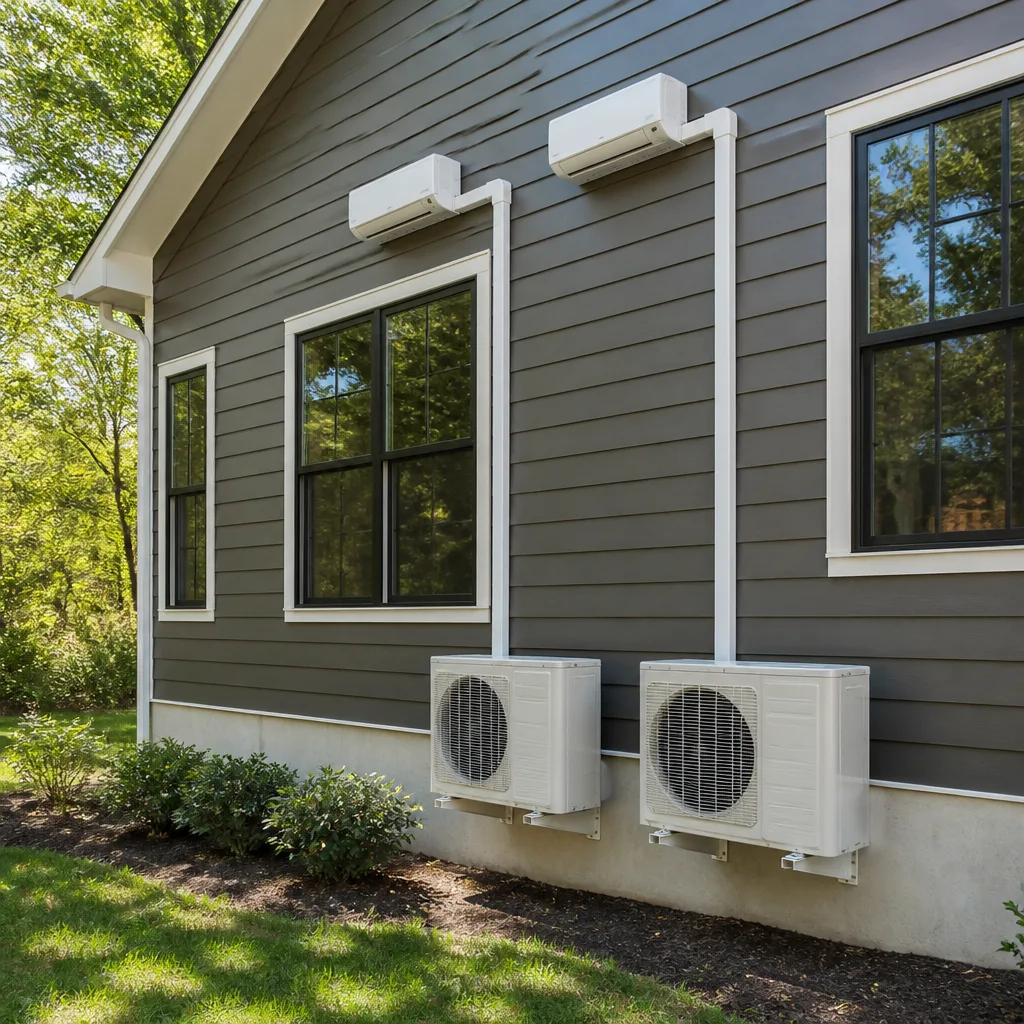 Ductless mini splits
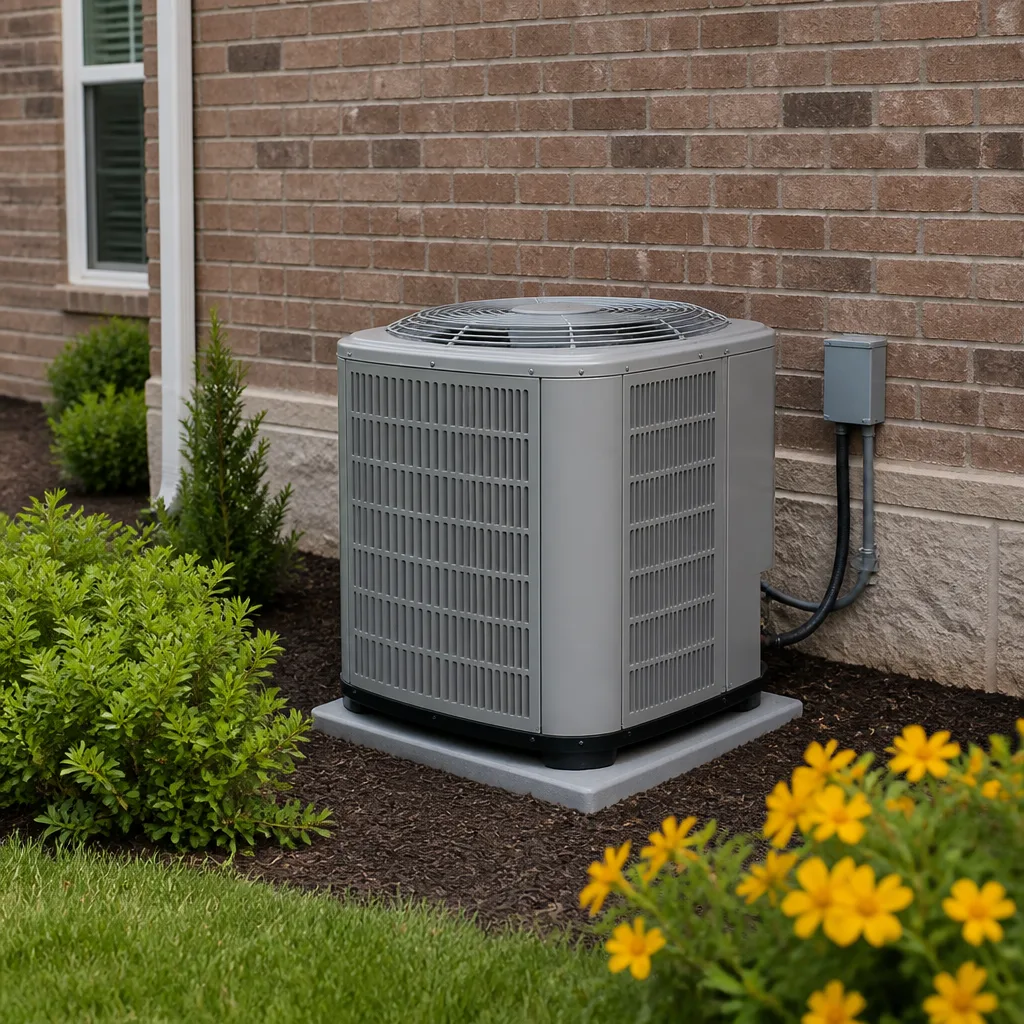 Carrier
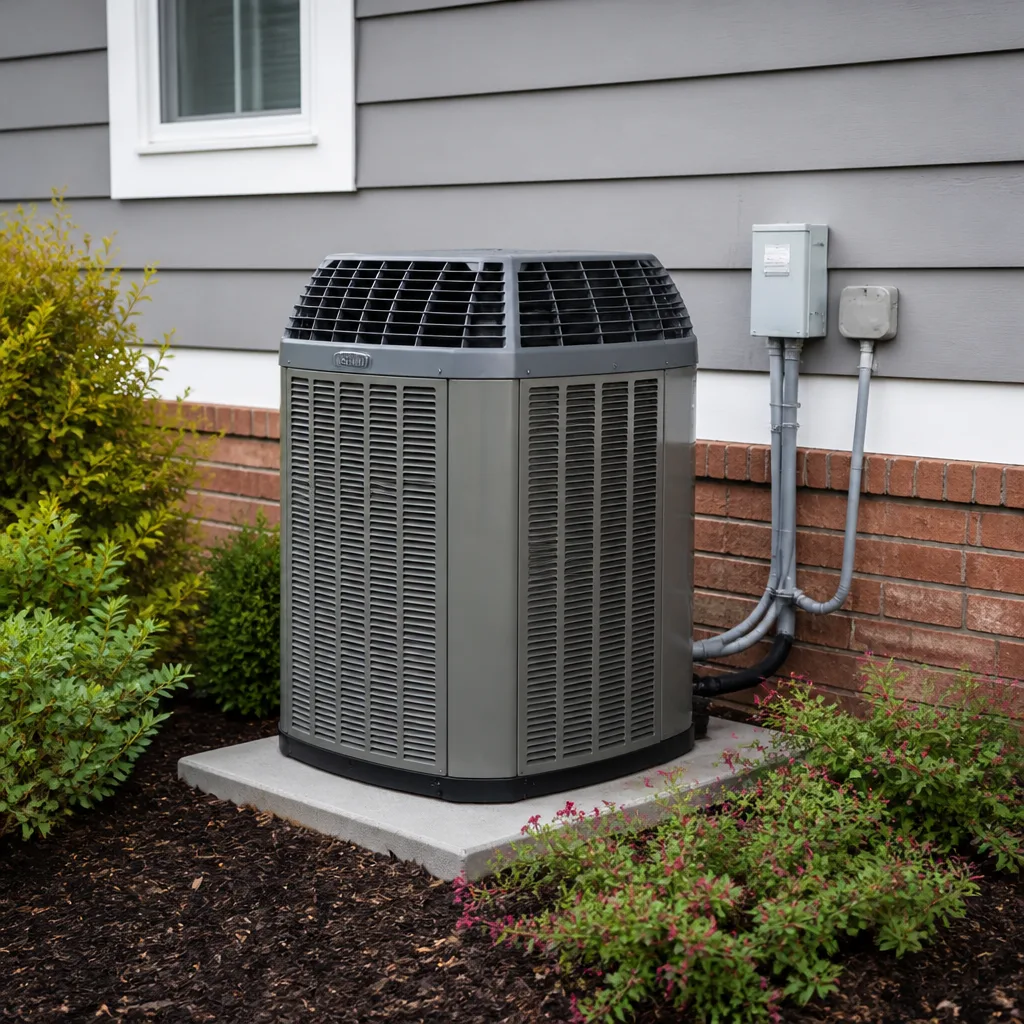 Trane
Trane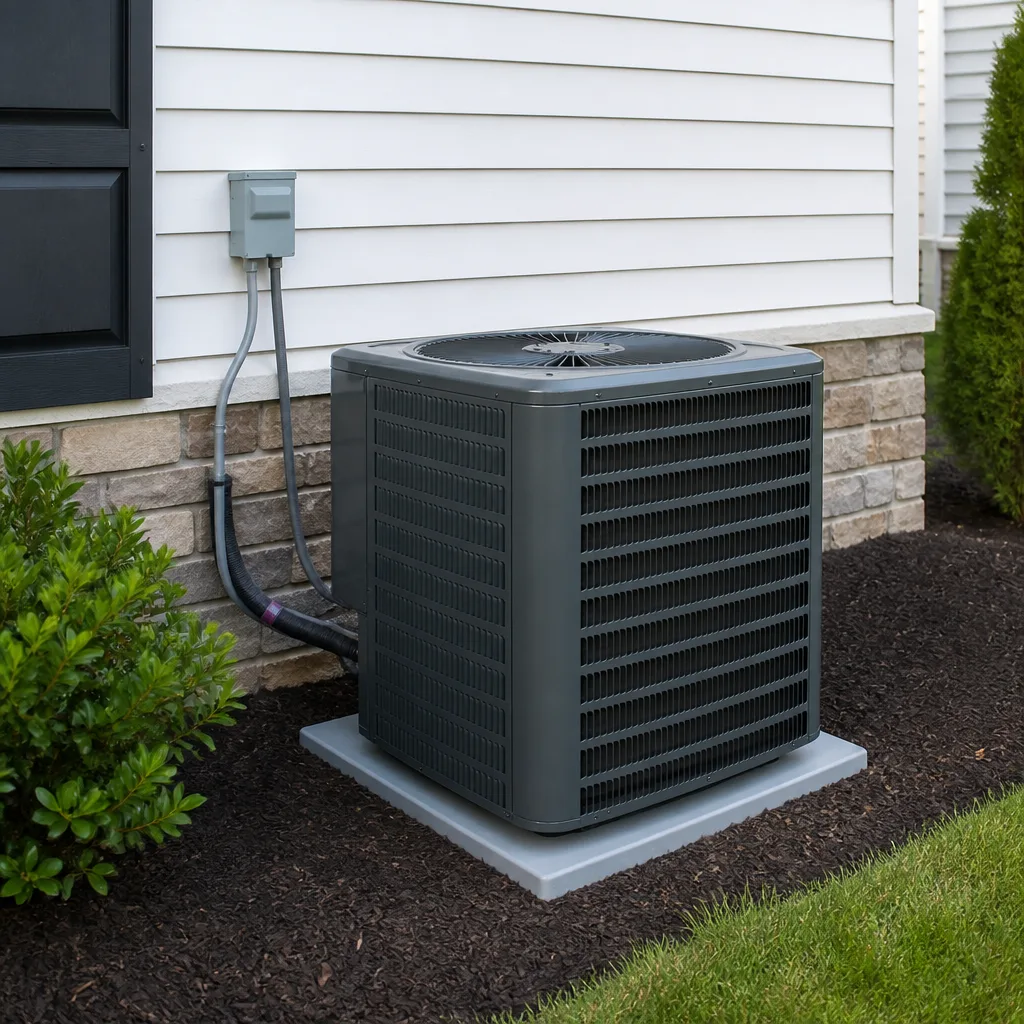 Goodman
Seasonal tune-up and full diagnostic on your Carrier, Trane, or Goodman system - readings shown to you before any repair is proposed
Diagnosis first, numbers second - you approve the repair price before a single part goes in.
Get your free estimateSeasonal HVAC Care for Sacramento: Year-Round Homeowner’s Guide
Most HVAC companies recommend a spring tune-up and a fall tune-up. In Sacramento, that advice skips the most important prep window entirely: the six weeks between when wildfire smoke season ends and when the first real heat wave arrives, the only time you can clean and test the system before it runs 12 hours a day. Our Complete Guide to HVAC in Sacramento gives homeowners a calendar that matches the valley’s actual climate, not a calendar written for Ohio. You’ll learn what to check each season, what a technician should inspect, what things cost in this market, and how to catch a developing problem before it becomes a 105-degree-day emergency.
Quick Answer
Seasonal HVAC care in Sacramento should be scheduled around the valley’s actual climate patterns: a full system check in late March or early April before the first heat wave, filter changes every 30-45 days during wildfire smoke months, a furnace inspection in November before tule fog season, and planning for any replacement work in February when contractors are less busy. A seasonal maintenance visit in Sacramento typically costs $90-$180, and the most critical window is spring, before demand spikes in June.
Styles & brands we work with
Table of Contents
- March-April: The Pre-Season Window That Actually Matters
- June-September: Managing Your System During Heat Waves
- August-October: Wildfire Smoke and Your HVAC
- November-January: Tule Fog and Furnace First-Use
- February: The Planning Window for Replacement
- Common Mistakes to Avoid
- When to Call a Professional
- Frequently Asked Questions
March-April: The Pre-Season Window That Actually Matters
Sacramento’s first real heat wave usually lands in May or early June, but the time to prepare is late March through mid-April. By the time temperatures hit 95 degrees consistently, every HVAC company in the Sacramento area is booked out two to three weeks, which is why our AC Repair Maintenance Checklist for Sacramento Homeowners emphasizes booking early. If your system fails in that stretch, you’re not just paying for a repair, you’re waiting in a hot house while everyone else’s equipment gets fixed first.
Here’s what a proper pre-season check should include when you schedule it in that early window:
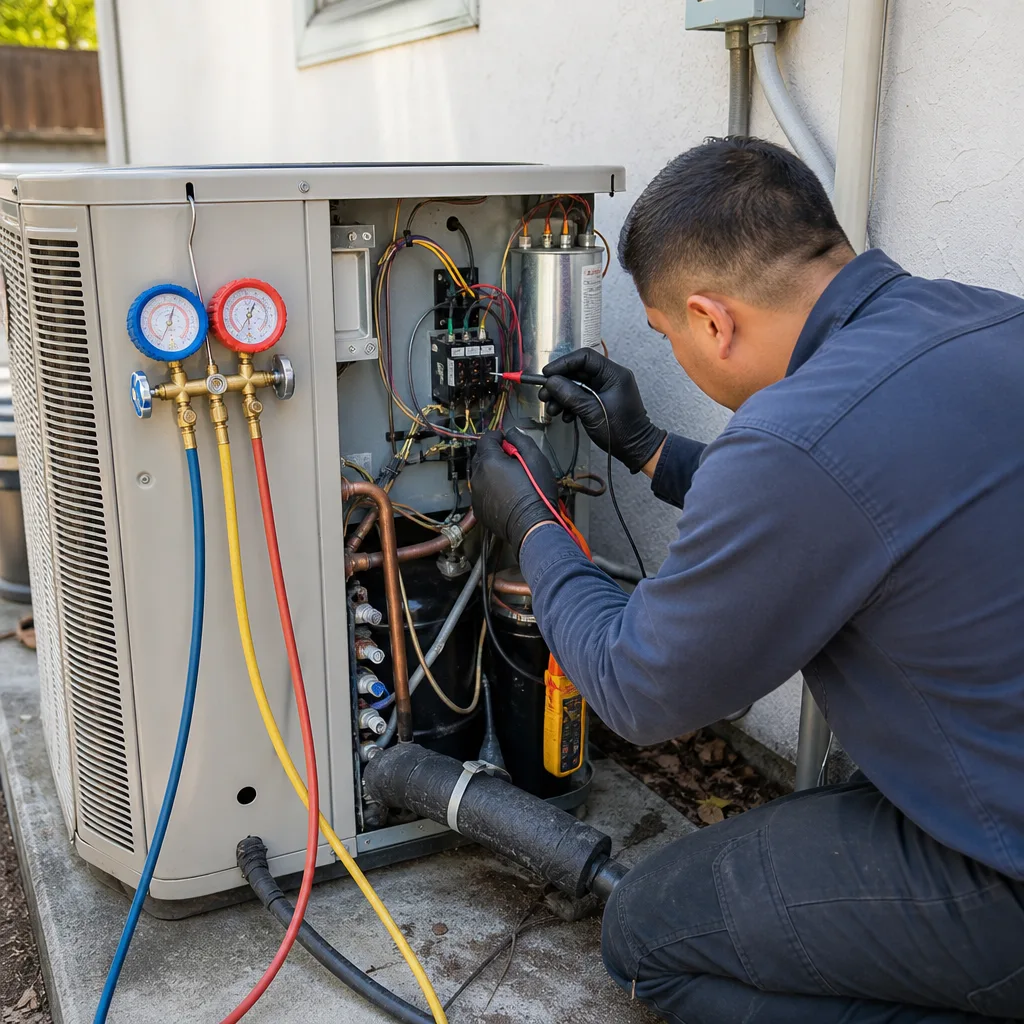
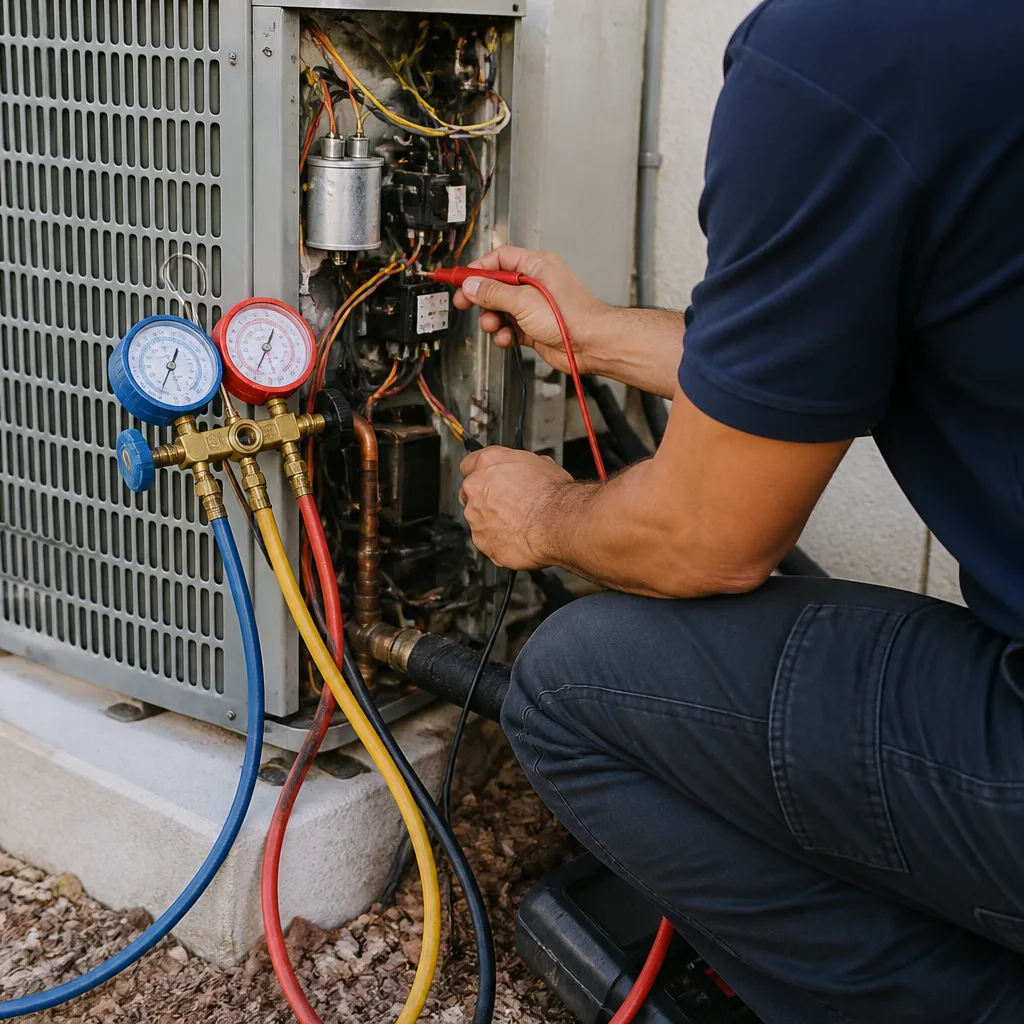
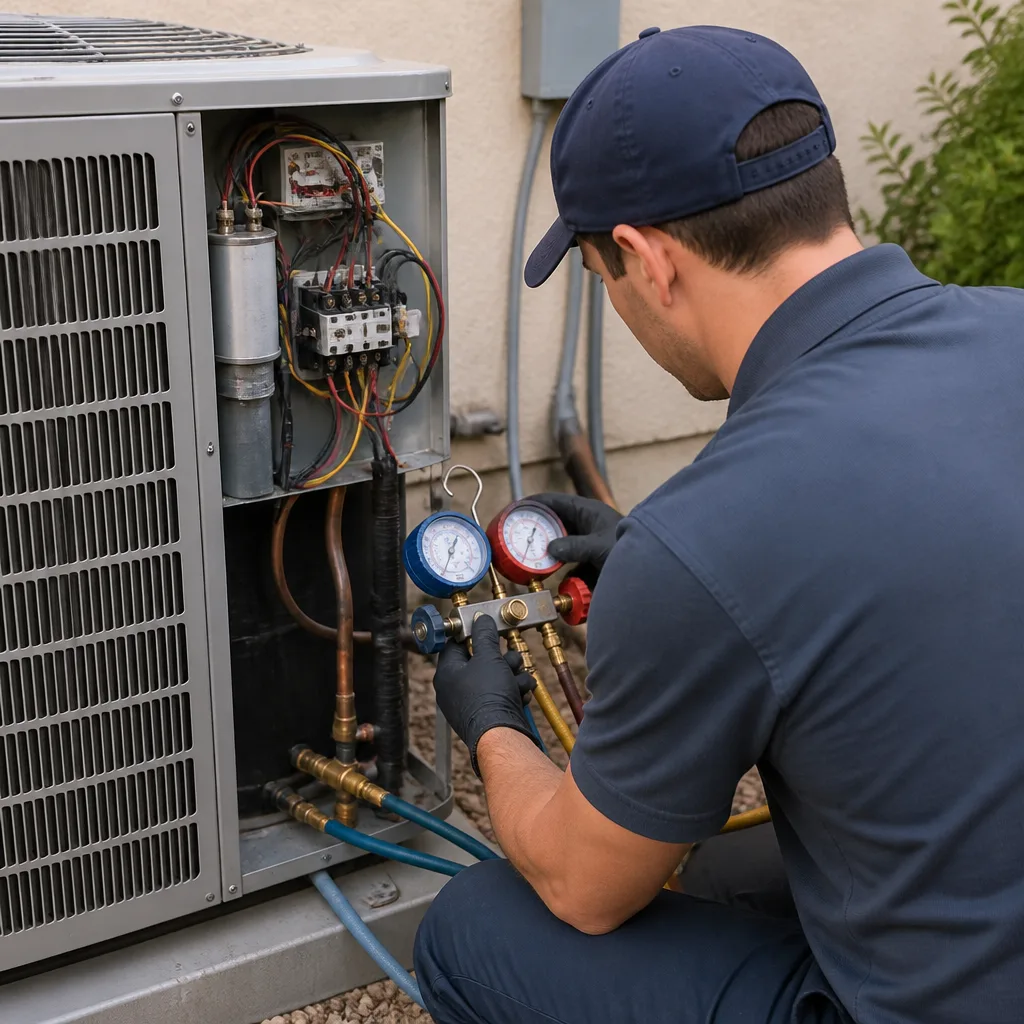
- Coil cleaning – Sacramento’s dry, dusty spring coats condenser coils with a fine layer of valley dust and cottonwood debris. A technician should clean both the outdoor condenser coil and the indoor evaporator coil using a proper coil cleaner, not just a garden hose. A dirty coil reduces cooling capacity by 10-20% and forces the compressor to work harder, which shortens its life.
- Refrigerant level check – Low refrigerant is the single most common cause of poor cooling in Sacramento systems. If the system is low, there’s a leak somewhere, and simply topping it off without finding the leak means you’ll pay for the same fix again in a year.
- Capacitor testing – Start and run capacitors fail more often in Sacramento than in coastal climates because the extreme heat stresses the dielectric material. A technician can test capacitance in under five minutes. A capacitor that reads 10% below rating should be replaced now, not in July.
- Condensate drain flush – Sacramento’s hard water causes mineral buildup in drain lines, especially during the first weeks of cooling season when the system is running constantly. A plugged drain line causes water damage to whatever is beneath the unit, often a hallway ceiling or a closet floor.
- Thermostat calibration check – A thermostat reading five degrees off means your system runs when it shouldn’t and stays off when it should. This is a two-minute check that most companies skip.
In our experience serving homes from East Sacramento to Natomas, we see a predictable pattern every year: the households that book in early April get same-week service and a full hour with the technician. The households that wait until Memorial Day weekend get a shorter visit at a higher price, if they can get on the schedule at all. Booked early, this maintenance visit costs between $90 and $180 in the Sacramento market. Booked during the June rush, the same visit runs $130 to $220, and the lead time stretches to two weeks or more.
One more thing worth doing in March: walk your property and check the area around the outdoor unit. Pull weeds, trim back bushes that have grown over winter, and clear at least two feet of clearance on all sides. Sacramento’s spring growth is aggressive, and a condenser choked by overgrown oleander or star jasmine simply can’t reject heat efficiently.
June-September: Managing Your System During Heat Waves
Sacramento regularly sees 100-degree stretches in July and August. During those weeks, your system is running 12 to 16 hours a day, sometimes more. That’s when developing problems announce themselves, and if you know what to look for, you can catch them early enough to keep a $300 repair from becoming a $1,200 one.
Three things to monitor during extreme heat:
- Runtime patterns – On a 100-degree day, a properly sized system will run in long cycles, sometimes 30 to 60 minutes at a time. Short cycling, where the system turns on and off every 5 to 10 minutes, indicates an overheating compressor, a failing capacitor, or frozen coils. If you notice short cycling, turn the system off and call for service. Running it in that state causes real damage.
- Supply air temperature – The air coming out of your vents should be 15 to 20 degrees cooler than the air going into the return. You can measure this with a basic kitchen thermometer. If the temperature split drops below 12 degrees, you’re losing cooling capacity. The likely culprits are a dirty filter, a dirty coil, or a refrigerant charge drifting low.
- Outdoor unit behavior – Stand near the condenser and listen. You should hear the compressor running and the fan spinning steadily. A fan that’s wobbling or a compressor that’s making a clicking or buzzing sound before it shuts off is a developing capacitor failure. That’s a $15 part that costs $250 to replace when it fails on a Saturday, versus $120 to replace proactively during a regular visit.
During extreme heat, the most important thing you can do ourselves is change the filter more often than usual. If you normally change it every 90 days, move to every 30 days during July and August. A dirty filter restricts airflow, which causes the evaporator coil to freeze. When the coil freezes, the system stops cooling entirely, and the repair means thawing the coil and possibly replacing the blower motor. A filter costs $8 to $20. A frozen coil service call in Sacramento during peak season runs $200 to $400.
We also recommend setting the thermostat to a consistent temperature during heat waves rather than programming big setbacks. A system that has to recover from 85 degrees to 75 degrees every afternoon at 4 p.m. works far harder than one that maintains 78 degrees steadily. Harder work means more wear, more energy, and more breakdowns.
August-October: Wildfire Smoke and Your HVAC
Wildfire smoke season has become a fixed feature of Sacramento’s late summer and fall. In August and September, the Sacramento Valley often gets two conditions at the same time: temperatures in the high 90s and air quality readings in the unhealthy range. That combination puts an unusual strain on your HVAC system, because the same filter that’s protecting your family from particulate matter is also restricting the airflow your system needs to run efficiently during peak heat.
If your system uses a standard 1-inch filter, here’s what we recommend during smoke season:
- Upgrade to MERV 11 or MERV 13 filter – A basic MERV 8 filter catches 50-60% of smoke particulates. A MERV 13 catches 85-90%. The tradeoff is airflow, which is why we don’t recommend MERV 13 year-round, but during smoke season it’s the right call, especially in homes with kids, older adults, or anyone with asthma.
- Check the filter every two weeks during active smoke – A filter that would normally last 90 days can clog in three weeks when the air is full of wildfire smoke. When the filter looks gray or brown, replace it, even if it hasn’t been 30 days.
- Run the fan continuously on smoke days – Set your thermostat fan to “on” instead of “auto.” A continuously running fan keeps air moving through the filter, which pulls more particulates out of the air inside your home. The energy cost is small, typically $15 to $30 a month, and the air quality benefit is significant.
For homeowners who deal with smoke every single year, a whole-home air purifier is worth considering. These systems mount into the ductwork and use a combination of media filtration and UV or ionization to remove particulates, VOCs, and some odors. Installation in Sacramento typically runs $900 to $2,500 depending on the system and your home’s configuration. It’s a real investment, but for families with respiratory conditions, it’s the difference between a house that feels safe during fire season and one that doesn’t.
One caution: do not run a portable ozone generator during smoke season. Ozone reacts with wildfire smoke compounds to create secondary pollutants that are worse for your lungs than the smoke itself. A good media filter and a properly sealed home are the right approach.
November-January: Tule Fog and Furnace First-Use
Tule fog is Sacramento’s winter signature, and it matters for your HVAC system in two ways. First, the fog means cold, damp air that makes your furnace work harder to maintain comfort, even when the thermometer says 45 degrees. Second, the cold air holds less moisture, so your home dries out, and that dry air makes static electricity worse, which affects everything from electronics to furnace blower motors.
Before the first heating cycle of the year, here are the specific checks that matter:
- Carbon monoxide detector test – This is the most important item. Sacramento fire officials respond to carbon monoxide calls every winter. Test your CO detectors before you turn on the furnace for the first time, and make sure you have one within 15 feet of every sleeping area. If you don’t have CO detectors, get them. They cost $25 to $50 and they save lives.
- Igniter or pilot check – Modern furnaces use a hot surface igniter, which is a ceramic element that glows red-hot to light the gas. After a summer of sitting idle, these igniters can crack or fail. A technician can test the igniter during a furnace inspection. If you have an older furnace with a standing pilot, the flame should be blue and steady. A yellow, flickering flame needs professional attention.
- Heat exchanger inspection – A cracked heat exchanger allows carbon monoxide to enter your home’s airflow. This is the single most dangerous furnace failure, and it gives no warning signs you can see from outside the furnace. A technician uses a combustion analyzer or visual inspection camera to check for cracks during the tune-up.
- Blower motor cleaning – During winter, your blower runs as much as it does during summer. A dirty blower wheel reduces airflow and strains the motor. Cleaning the blower is part of a standard furnace tune-up, which in the Sacramento market runs $90 to $160.
- Duct check for cold spots – Walk the house on the first cold morning and check every vent. If one room is noticeably colder than the others, you may have a disconnected duct or a closed damper. Caught early, it’s a simple fix. Left alone, it means your furnace runs longer to heat a house that never feels even.
Sacramento’s winter temperatures rarely drop below freezing, but the damp cold and tule fog create conditions where furnaces run in long, steady cycles that expose weaknesses the way a stress test does. We see the most heat exchanger problems in January, after six to eight weeks of continuous use. A November tune-up catches these before they become February emergencies.
If your furnace is over 15 years old, pay special attention to unusual smells during the first weeks of heating season. A dusty smell for the first hour or two is normal. A sulfur smell, which indicates a gas leak, is not. And a metallic smell combined with a yellow flame is an urgent call for service.
February: The Planning Window for Replacement
February is the quietest month for HVAC contractors in Sacramento. The weather is mild, systems are running less, and most homeowners aren’t thinking about their heating and cooling. And that’s exactly why February is the right time to get quotes for a replacement system.
Here’s the market reality: the same AC installation that costs $8,000 to $14,000 in February costs $7,000 to $12,000 in June, and the wait time goes from same-week scheduling to three weeks or more. For help deciding whether to tackle prep yourself or hire out, see our DIY vs Professional HVAC: The Sacramento Homeowner’s Decision Guide. But the bigger difference is in the quality of the installation itself. In February, crews have time to do the work carefully: proper load calculations, careful ductwork adaptation, thorough refrigerant evacuation and charging, and a complete system test before they leave. In June, every crew is working ten-hour days in 100-degree heat, and while good companies maintain standards, the pressure is real.
What to do during February:
- Check the age of your equipment – Find the manufacturer’s date on the data plate of your furnace and AC unit. The serial number usually encodes the year and month, though formats vary by brand. If your system is 15 years old or older in Sacramento’s climate, it’s living on borrowed time. Sacramento systems run more annual hours than systems in milder climates, which means our equipment ages faster in real terms.
- Get written quotes from multiple companies – Ask each contractor for a written price that includes the equipment model numbers, the scope of work, the warranty terms, and the installation timeline. A good quote also includes the load calculation. If a contractor’s quote doesn’t include a heat load calculation, ask why not. Oversized equipment short-cycles, fails earlier, and never removes humidity properly.
- Review warranty options – Most manufacturers offer a 10-year parts warranty when the system is registered within 60 days of installation. Some local contractors also offer labor warranties, typically one to two years. In our case, the 365-Day Done Right Promise covers labor and workmanship for a full year, and we document the installation with photos so there’s never a question about what was done.
- Schedule the installation for March or April – You want the new system installed and running before the first heat wave. Installation in Sacramento takes one to two days for a standard system. Book it for spring, and you’ll have a new system that’s ready when the first 100-degree day arrives.
We’ve had Sacramento homeowners tell us they wish they’d planned for replacement in February instead of reacting to a failure in August. The math is simple: a planned replacement gives you time to compare equipment, choose the right system size, and schedule the work when crews are rested and fully staffed. A reactive replacement means taking whatever equipment is in stock and paying whatever the market charges that week.
See the difference
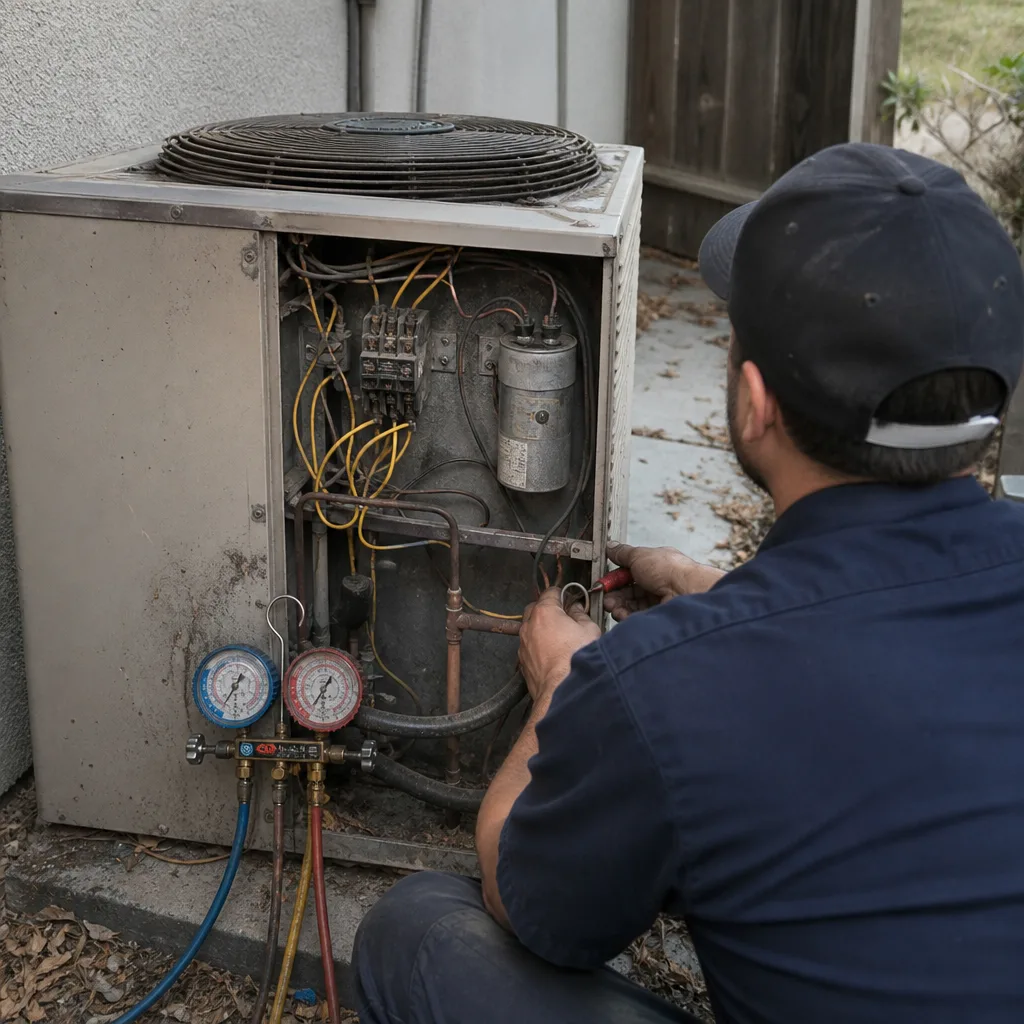 Before
 After
After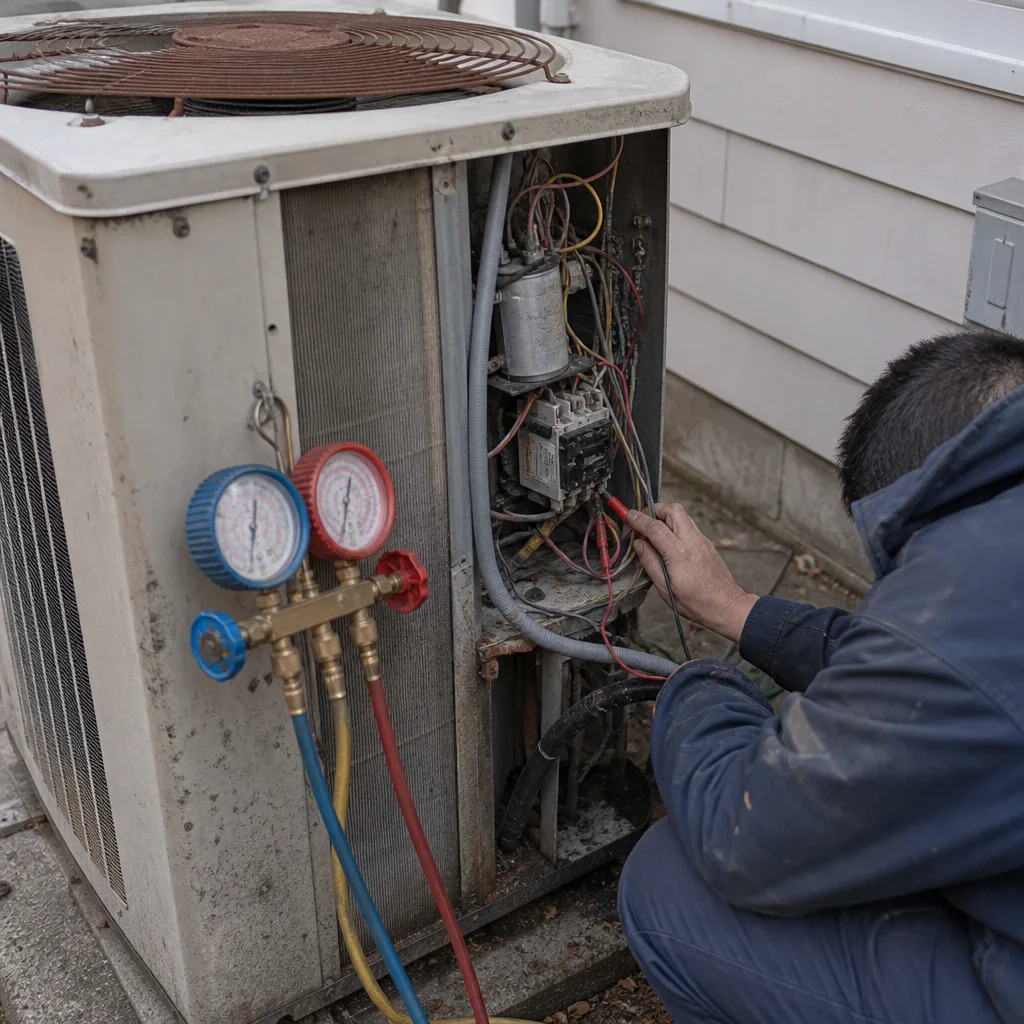 Before
 After
After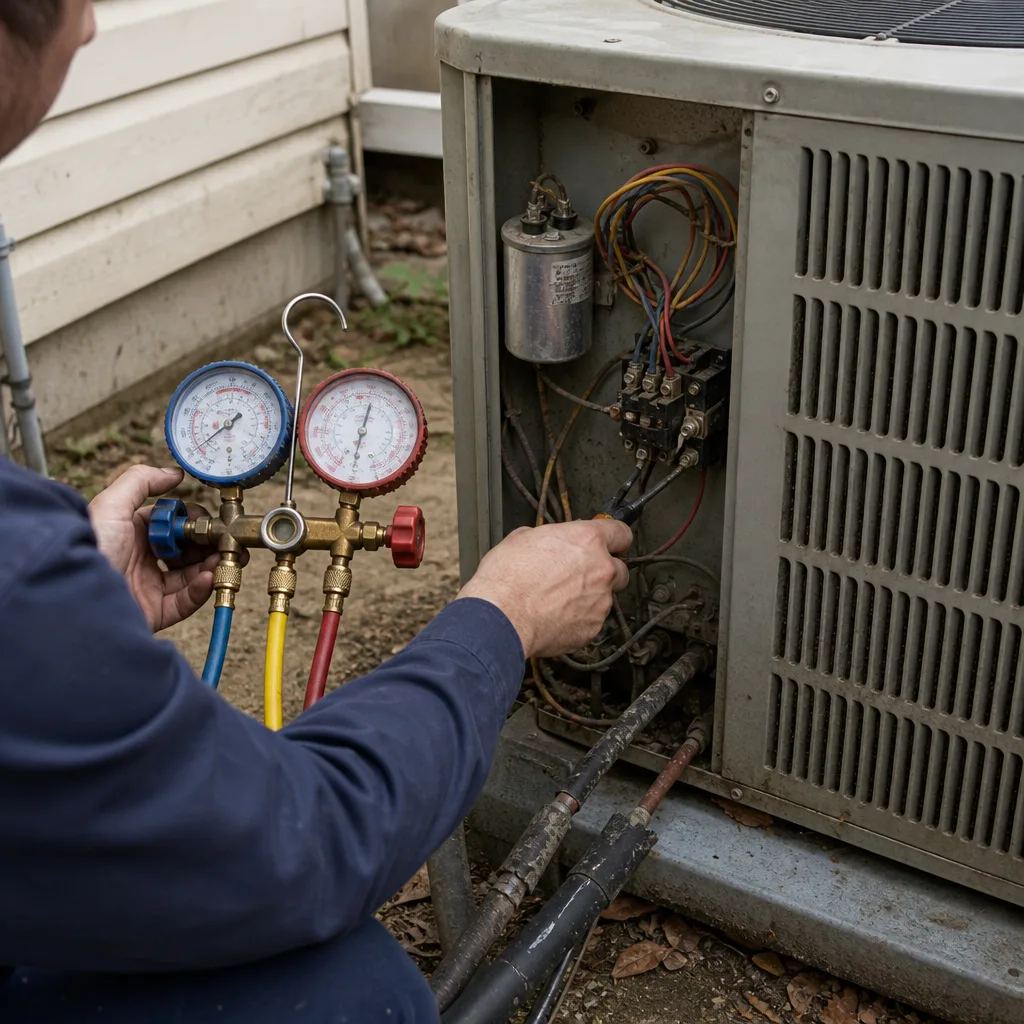 Before
 After
AfterSeasonal Maintenance Costs in Sacramento
Here’s what homeowners in the Sacramento area can expect to pay for seasonal HVAC services, based on current market rates:
- Seasonal tune-up (cooling or heating) – $90 to $180
- Combined maintenance plan (two visits per year) – $180 to $320 annually
- Filter replacement (standard 1-inch) – $8 to $20 per filter, or included with some plans
- Capacitor replacement – $120 to $250 installed
- Refrigerant recharge with leak search – $300 to $800 depending on the refrigerant type and leak size
- Condensate drain clearing – $80 to $150
- Whole-home air purifier installation – $900 to $2,500
- Full system replacement (AC and furnace) – $8,000 to $16,000 depending on efficiency tier and home size
These figures are specific to the Sacramento market as of 2025. Costs in the Bay Area run 15-25% higher because of higher labor rates and permitting costs. Within Sacramento, prices vary a bit by neighborhood and home age, but the ranges above cover most single-family homes.
Common Mistakes to Avoid
- Waiting until June to schedule spring maintenance – Sacramento HVAC companies book out two to three weeks starting in mid-May. If you wait until June, you’ll either pay rush pricing or wait in the heat. Schedule in late March or early April.
- Using a MERV 13 filter year-round to “be safe” – A high-MERV filter restricts airflow, which increases energy use and strains the blower motor. During Sacramento’s hot months, that restricted airflow can cause coil freeze-ups. Use MERV 8 for everyday conditions and switch to MERV 11 or 13 during wildfire smoke season.
- Ignoring short cycling during heat waves – Repeated short on/off cycles during 100-degree weather means the compressor is overheating or a capacitor is failing. The system is telling you something is wrong. Keep running it, and the compressor fails completely, which is a $2,000 to $4,000 repair.
- Skipping the CO detector check before first furnace use – Carbon monoxide is odorless and invisible. The first weeks of heating season are when heat exchanger cracks get exposed. Test your CO detectors before you turn on the heat, not after a scare.
- Closing vents in unused rooms to save energy – This raises static pressure, reduces airflow across the heat exchanger or coil, and causes blower motor strain. In a Sacramento home built in the 1950s through 1980s, ductwork is often already undersized. Closing vents makes the problem worse.
- Putting off a replacement decision until the system actually fails – In this market, failed system replacements during peak summer cost more and involve compromise on equipment availability. A system replaced on a planned schedule in February or March gives you control over what gets installed.
- Not getting a written price before work starts – Any reputable Sacramento HVAC company will provide a written quote before starting work. If a contractor refuses to put the price in writing, find someone else. The written price protects you, and it’s the standard every legitimate operation follows.
When to Call a Professional
Call a professional when the system short cycles repeatedly during hot weather, when the supply air temperature never gets more than 12 degrees cooler than the return air, or when you see ice on the indoor coil or the refrigerant lines. Call immediately if you smell gas near the furnace, if the CO detector sounds, or if the furnace flame is yellow instead of blue. Water around the indoor unit means a clogged drain or a cracked condensate pan, and that water damages whatever is beneath it, usually a finished ceiling or a closet floor. If your system is over 15 years old and needs a repair over $1,000, get a replacement quote before spending the money. AC Repair in Sacramento from Meadowsweet Heating and Air Sacramento includes a free estimate and a written price before any work starts – call (279) 263-8708 to schedule.
Frequently Asked Questions
Once a year is the realistic minimum for Sacramento’s climate, with the visit scheduled in late March or early April before the cooling season. Homes with pets, wildfire smoke exposure, or older systems benefit from twice-a-year service, with the second visit in November before heating season. The Sacramento climate is harder on equipment than coastal California: dust, extreme heat, and smoke all add load that a single annual visit doesn’t fully address.
A single seasonal tune-up in the Sacramento market costs $90 to $180 for most homes. A maintenance plan covering two visits per year runs $180 to $320 annually, and most plans include priority scheduling and discounted repairs. Call (279) 263-8708 for a current quote – estimates at Meadowsweet Heating and Air Sacramento are free.
Duct cleaning is only worth doing if you have visible mold growth inside the ducts, evidence of rodent or pest activity, or a renovation that filled the ductwork with debris. For most Sacramento homes, duct cleaning provides no meaningful air quality benefit and can damage older ductwork if done with aggressive agitation. Focus on filter quality and regular filter changes instead.
The only way to know is to have a heat load calculation done, which accounts for square footage, window area and orientation, insulation levels, ceiling height, and Sacramento’s specific summer design temperature. The rule of thumb of “one ton per 500 square feet” is a guess that’s wrong often enough to cause real problems. Oversized units short cycle and fail early; undersized units run constantly and never reach the set point on hot days.
Seventy-eight degrees is the practical sweet spot for Sacramento summers: warm enough to keep energy use in check, cool enough to feel comfortable, and achievable for a properly sized system even on 105-degree days. For more guides & resources on keeping your system efficient, explore our blog. Lower settings on extreme days make the system run beyond its design capacity, which is exactly when compressors burn out. Use ceiling fans to make 78 feel cooler; fans cool people, not rooms, so turn them off when you leave the room.
You can and should do a visual check: replace the filter, test the CO detectors, check that the area around the furnace is clear of stored boxes or flammable materials, and turn the furnace on for a test cycle while the weather is still mild. But leave the heat exchanger inspection, igniter testing, gas pressure checks, and blower cleaning to a professional – those involve combustion safety and electrical work where mistakes cause real injuries. Furnace repair in Sacramento is work for a trained technician with the right tools.
The Bottom Line
Sacramento’s climate makes its own rules: heat waves that last weeks, smoke that arrives while it’s still hot, and cold foggy winters that run furnaces in steady cycles. A maintenance schedule built around those local seasons protects equipment better than a generic fall-and-spring calendar. Book the spring check in late March or early April, change filters on a 30-day rhythm through summer, add a furnace inspection in November, and use February for planning big decisions. A system maintained on this calendar costs less to run, breaks down less often, and lasts longer. And if something does go wrong, you want a company that installs and services AC equipment in Sacramento with the right experience for this valley’s conditions. For a seasonal check, a repair, or a replacement consultation, call Meadowsweet Heating and Air Sacramento home at (279) 263-8708 – a live person answers, 24 hours a day, and the price is in writing before any work starts.
Written by Luis Serrano, Owner at Meadowsweet Heating and Air Sacramento, serving Sacramento since 2004.