
Last updated October 16, 2026
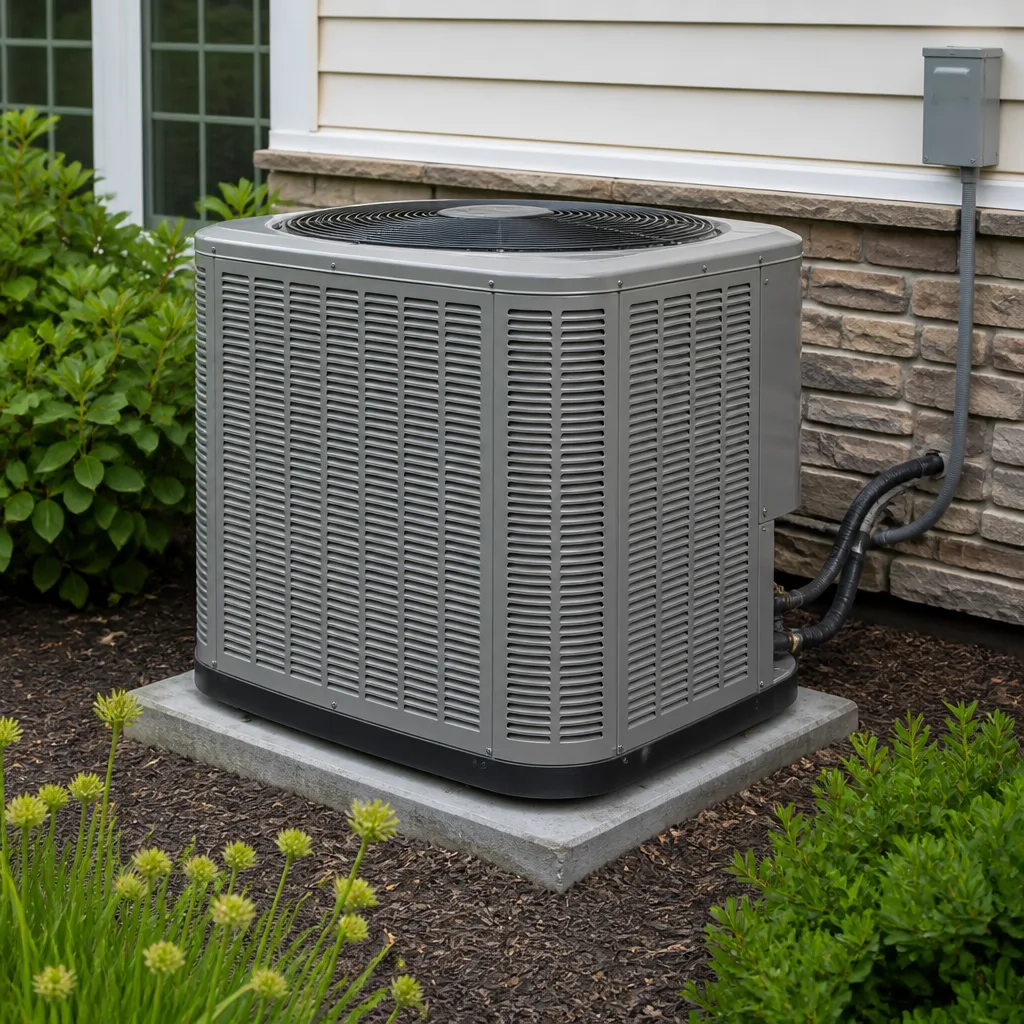 AC repair
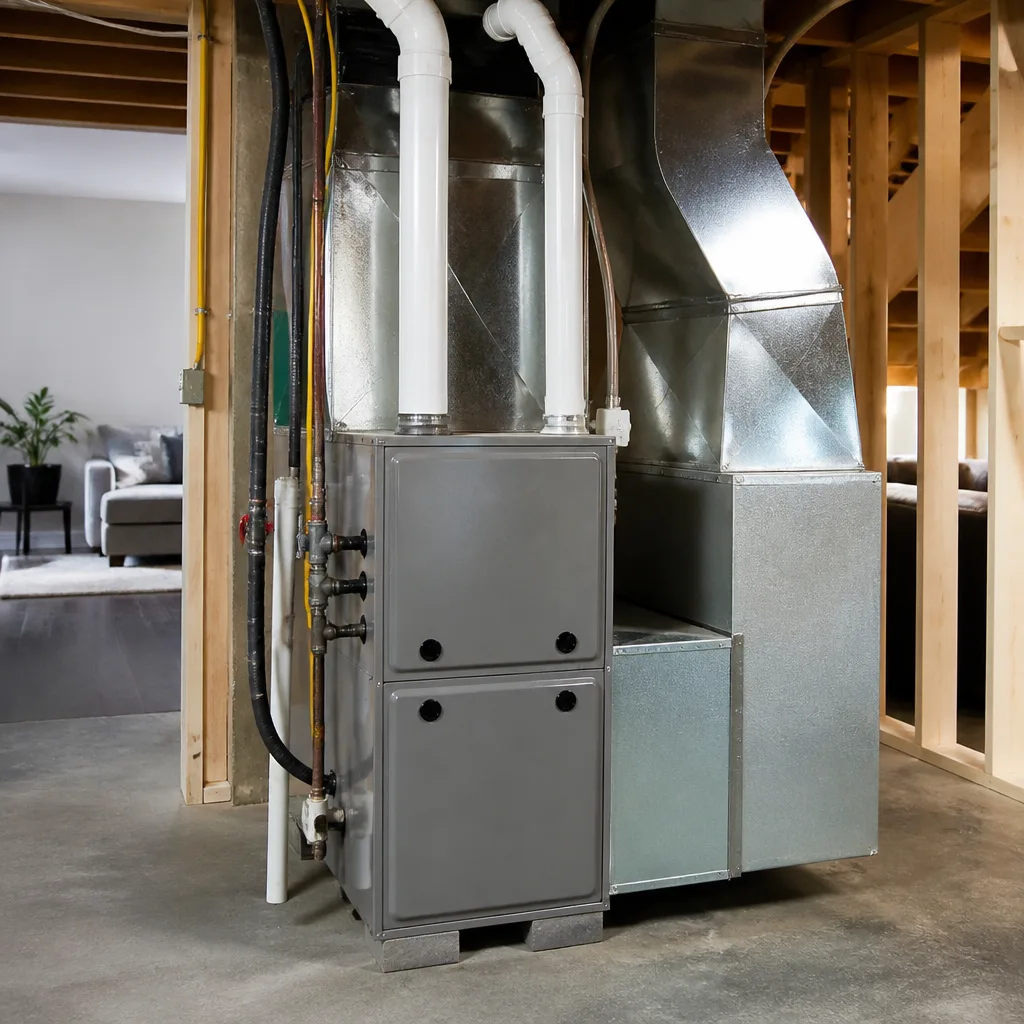 Furnace & heating
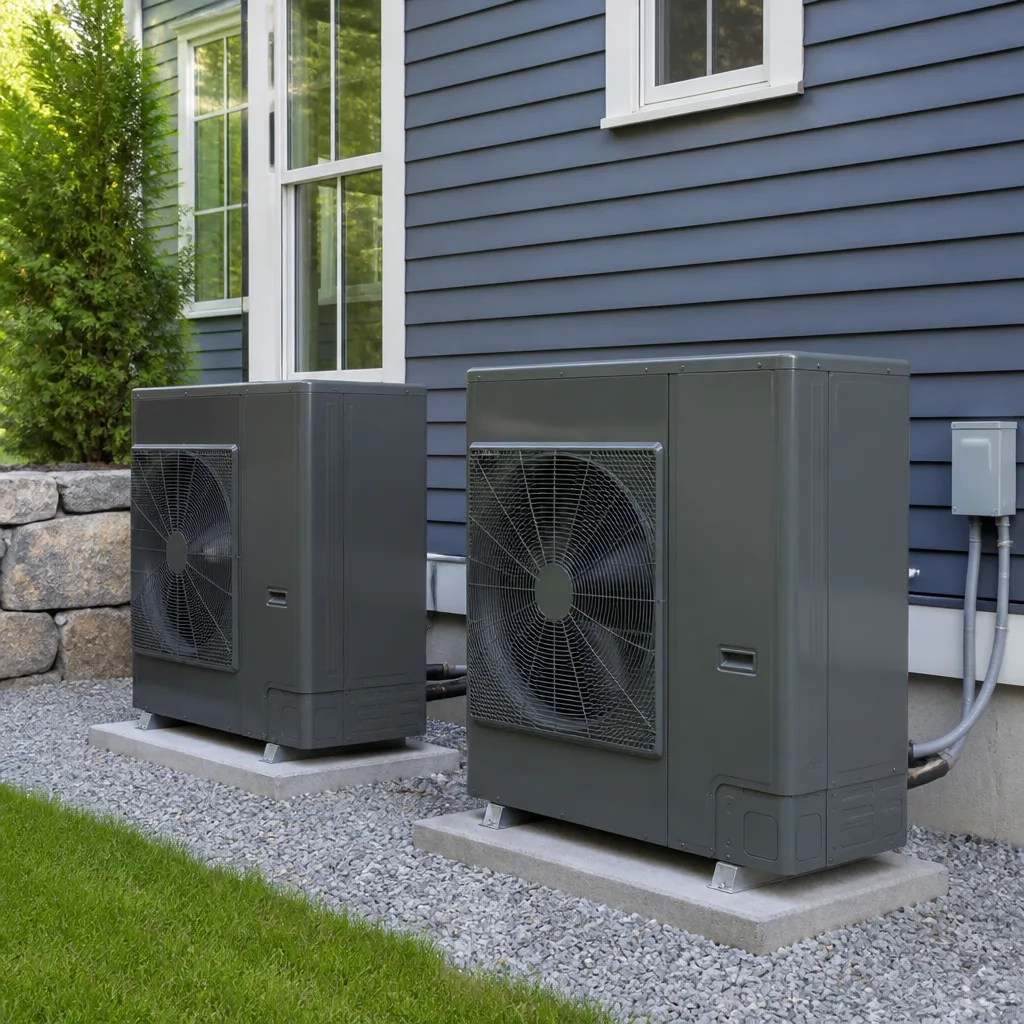 Heat pumps
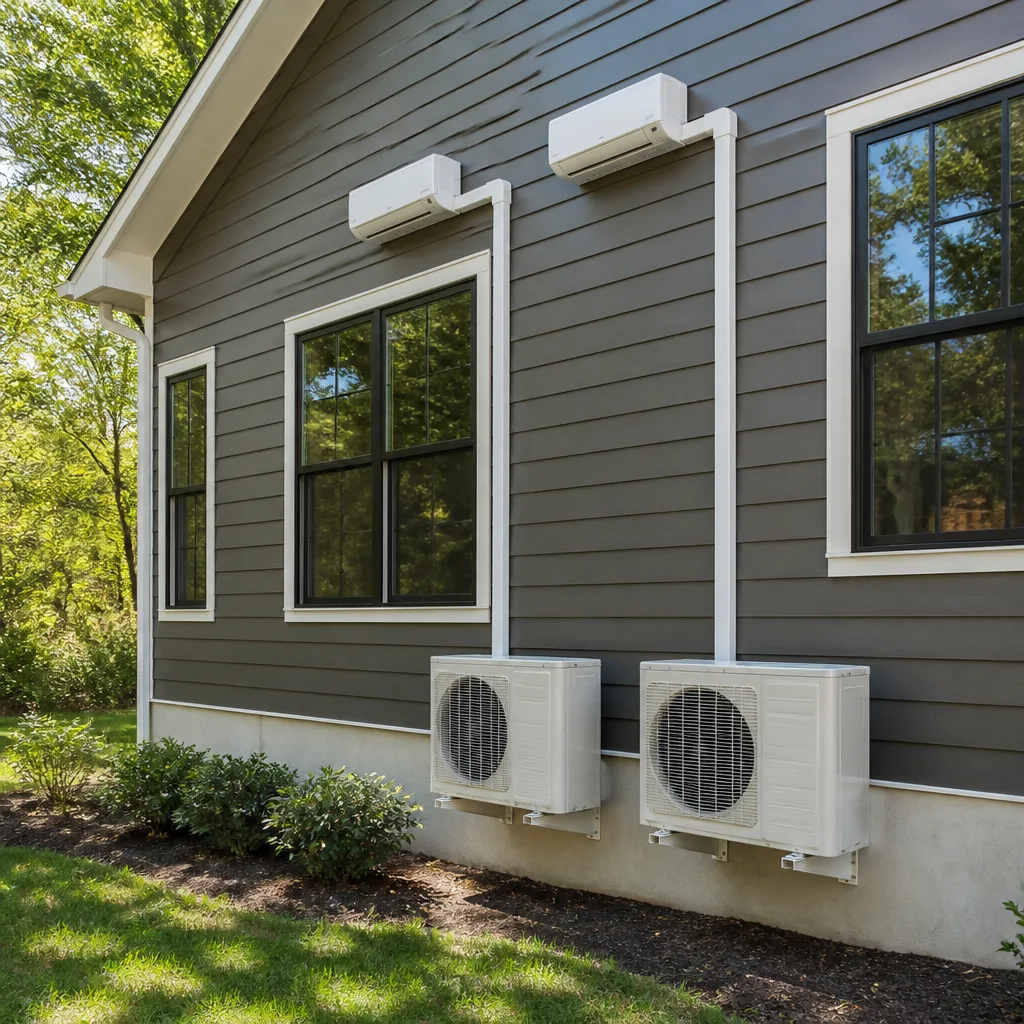 Ductless mini splits
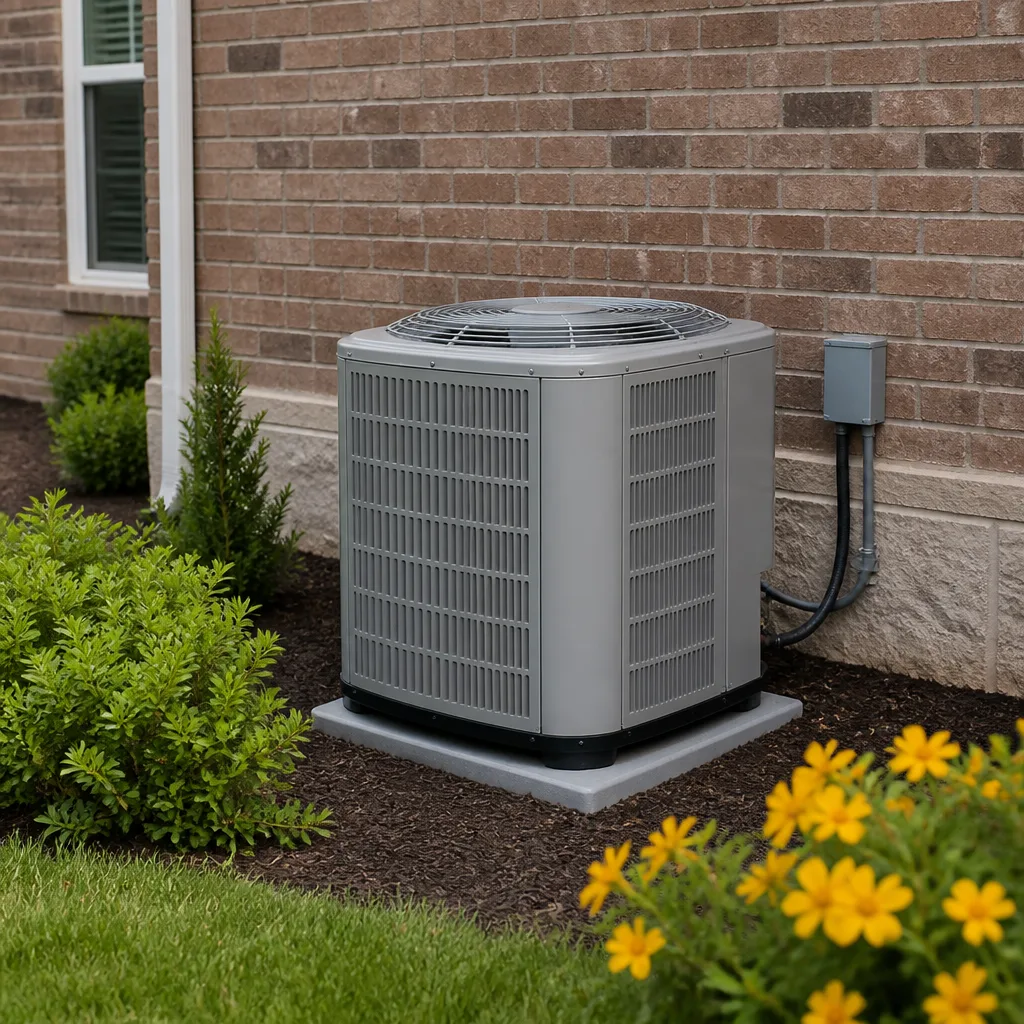 Carrier
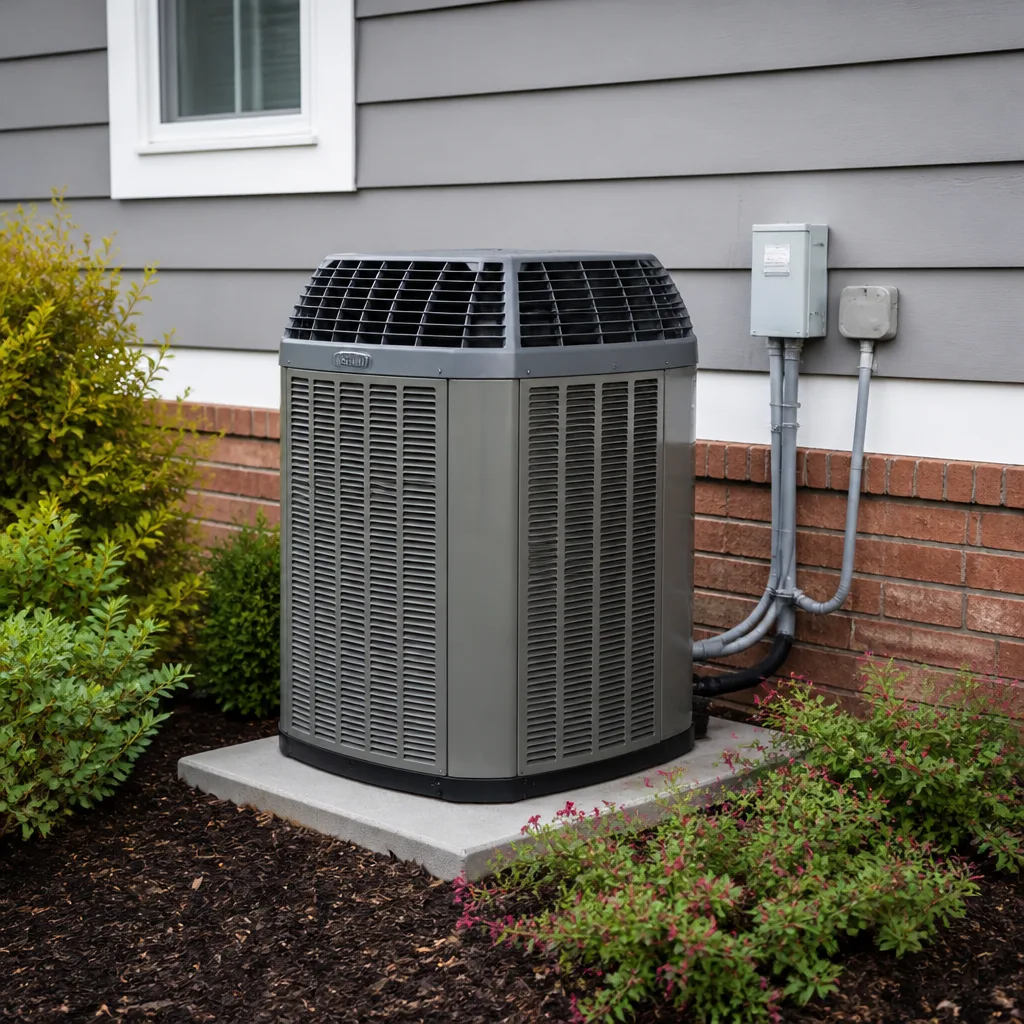 Trane
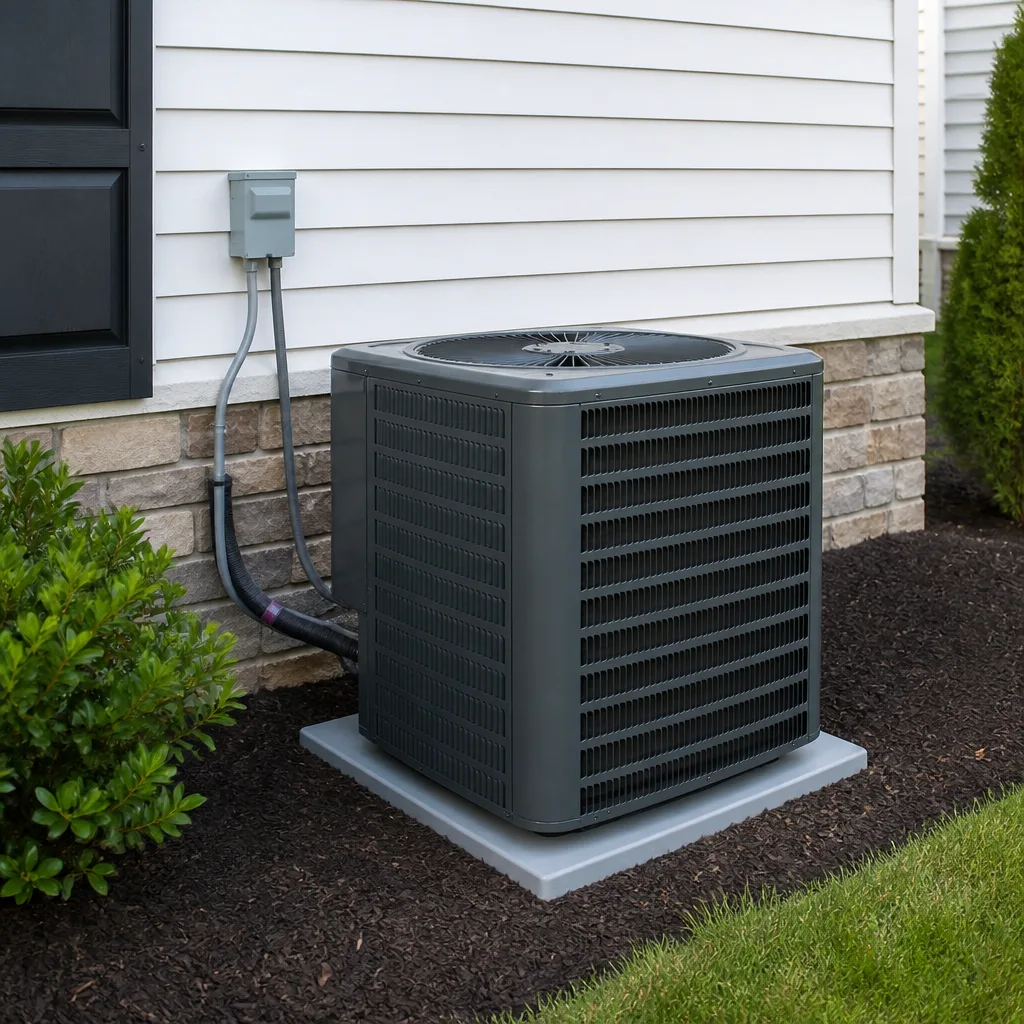 Goodman
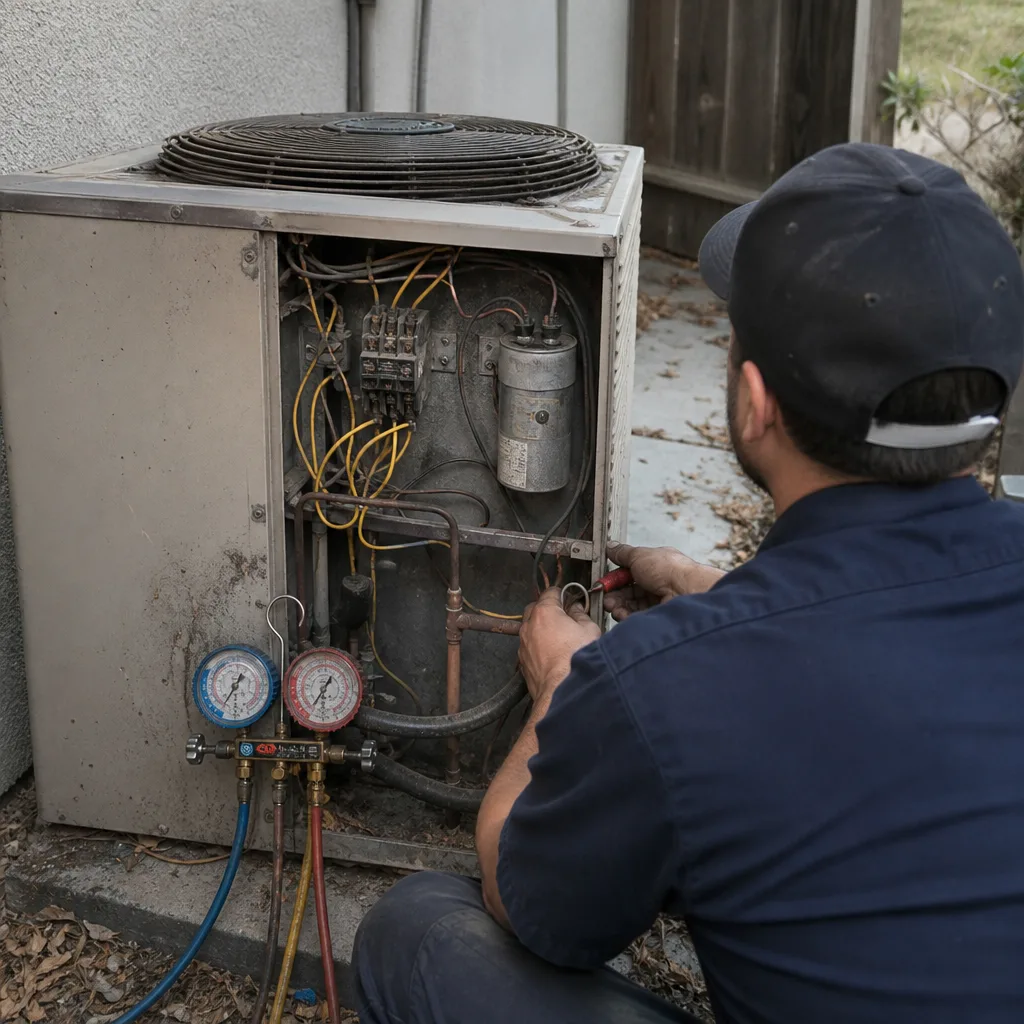
Seasonal tune-up and full diagnostic on your Carrier, Trane, or Goodman system - readings shown to you before any repair is proposed
Diagnosis first, numbers second - you approve the repair price before a single part goes in.
Get your free estimateHVAC Permits, Codes & Inspections in CA: What You Need to Know
An unpermitted HVAC installation in California can come back years later as a canceled home sale, an insurance claim denied for a furnace fire or carbon monoxide leak, or an inspector requiring you to tear out drywall to expose work that was never reviewed. Sacramento County enforces permit requirements under the California Mechanical Code, and the assumption that “the contractor handled it” is one of the most expensive assumptions a homeowner can make. This guide names exactly when a permit is required in Sacramento, what the inspection actually checks, how to look up whether your existing system was ever finalized, and what the retroactive permit process costs when it wasn’t. For more guides & resources on keeping your home safe and compliant, explore our blog.
Quick Answer
Most HVAC work in Sacramento County – including furnace replacements, AC condenser replacements, new duct runs, and any equipment relocation – requires a mechanical permit from the Sacramento Community Development Department. The permit must be pulled before work starts, and the job must pass a final inspection that verifies equipment sizing, refrigerant line insulation, electrical disconnect requirements, and Title 24 energy compliance. If you’re buying, selling, or insuring a home, a missing HVAC permit is a material defect you need to resolve before the transaction closes.
Styles & brands we work with
Table of Contents
- When an HVAC Permit Is Required in Sacramento County
- Replacement-in-Kind vs. New Installation: Where the Line Actually Is
- What a Sacramento County HVAC Inspection Actually Checks
- Title 24 and SEER2: How Energy Code Narrows Your Equipment Choices
- How to Check If a Permit Was Pulled and Finaled (Step by Step)
- The Retroactive Permit Process: Cost, Inspection Handling, and Compliance Gaps
- Common Mistakes to Avoid
- When to Call a Professional
- Frequently Asked Questions
When an HVAC Permit Is Required in Sacramento County
California Mechanical Code Section 106.5 requires a permit for any HVAC work that involves installing, altering, or repairing mechanical systems. In Sacramento County specifically, that covers far more work than most homeowners realize. Here’s the short version: if the work touches refrigerant lines, gas piping, electrical disconnects, duct layout, or equipment location, it almost certainly needs a permit. If the work is limited to replacing a capacitor, cleaning coils, swapping a thermostat for a like model, or changing an air filter, it generally doesn’t.
The practical list of permitted work in Sacramento includes:
- Furnace replacement – any new furnace that connects to gas lines, venting, and electrical supply requires a mechanical permit and often an electrical permit.
- AC condenser or coil replacement – even a “like-for-like” condenser swap involves refrigerant handling under EPA Section 608 rules plus a mechanical permit for the equipment changeout.
- Heat pump installation – heat pumps are treated as both heating and cooling systems, and the electrical service upgrade they often require adds a second permit type.
- Duct modification – running new duct in an attic, crawl space, or interior wall is an alteration, not maintenance. Adding a new return, enlarging a supply run, or reconfiguring a plenum all count.
- Equipment relocation – moving an AC condenser from the back yard to the side yard, or moving a furnace from a closet to the attic, changes the mechanical plan and needs a permit.
- Mini-split installation – every multi-zone mini-split system requires a permit because it involves line sets, wall penetrations, and a new electrical circuit.
In Sacramento’s hot-dry summers, the air conditioner is a health-relevant system, not a comfort accessory. The county treats it that way in code enforcement too. When we install AC systems in Sacramento, the permit is part of the fixed written price we provide before any work starts, and the final sign-off is included. If a contractor tells you permits are optional or “not needed for a swap,” that is a red flag worth walking away from.
Replacement-in-Kind vs. New Installation: Where the Line Actually Is
The most common area of confusion we hear from Sacramento homeowners is the replacement-in-kind exemption. People assume that swapping an old furnace for a new furnace in the same spot with the same fuel source doesn’t need a permit. That assumption is wrong in nearly every case, because Sacramento County code does not offer a blanket replacement-in-kind exemption for HVAC equipment. Replacing a condenser, a furnace, or an air handler is considered an alteration of a mechanical system, and alterations require permits.
What does count as maintenance under the California Mechanical Code is narrower than you’d think:
- Cleaning or replacing air filters
- Lubricating motors and checking belt tension
- Replacing a failed capacitor or contactor
- Charging refrigerant to existing factory specs
- Repairing a condensate drain line
- Replacing a thermostat with the same voltage and wiring configuration
If the work crosses into changing tonnage, changing equipment location, changing fuel type, or adding capacity, you’re in new installation territory. And if the tonnage exceeds what the existing ductwork was designed for, the county inspector will ask for a load calculation to prove the duct system can handle the airflow. In older Sacramento neighborhoods like Land Park, Curtis Park, and South Land Park Hills, we regularly see 1940s and 1950s homes where a previous owner “upsized” an AC unit without touching the ducts-a red flag covered in our HVAC Warning Signs: A Sacramento Homeowner’s Reference Guide. The result is short cycling, frozen coils, and humidity problems, and when the time comes to replace that unit properly, the permit process catches it.
What a Sacramento County HVAC Inspection Actually Checks
A Sacramento County mechanical inspection is not a drive-by. The inspector opens the work area, reviews the equipment documentation, and checks for code compliance at specific points. Knowing what the inspector checks before the inspection day saves you a failed inspection, a reinspection fee, and a second appointment. These are the core items:
- Equipment sizing documentation – the installer must show a Manual J load calculation or an equivalent sizing rationale. If the new furnace is 100,000 BTU where a 60,000 BTU unit belongs, the inspector will flag it for failing to meet sizing requirements.
- Refrigerant line insulation – suction lines must be fully insulated from the service valve to the indoor coil. Missing or degraded insulation is one of the most common inspection failures we see in Sacramento attics, where summer heat degrades foam quickly.
- Electrical disconnect – a service disconnect must be installed within sight of the condenser for any outdoor AC unit. The disconnect must be rated for the amperage of the equipment and properly labeled.
- Gas line and venting – for furnaces, the gas shutoff valve must be located within six feet of the appliance. Flue venting must be double-walled if it passes through attic space, and it must pitch correctly to the termination point.
- Thermostat wiring – the thermostat must be wired for proper heat and cool staging. A common mistake is using a four-wire thermostat cable for a two-stage furnace that needs five wires, which means the second stage never fires.
- Condensate drainage – the indoor coil’s condensate drain must discharge to the exterior or to a code-approved waste line, not into a crawl space, and must include a cleanout where required.
- Platform and clearance – outdoor condensers must sit on an approved pad and maintain the manufacturer’s stated clearances from walls, fences, and vegetation. Sacramento’s clay-heavy soil shifts with the seasons, and a pad that’s settling is a repeat inspection fail.
Each failed item triggers a correction notice and a reinspection fee, which in Sacramento County is typically around $150 to $250 depending on the scope. You want the first inspection to pass, and that means hiring an installer who pre-checks every item on the county’s list. At Meadowsweet Heating and Air Sacramento, our technicians walk the same checklist before the county inspector arrives, and we’re on site for the inspection to answer questions in real time.
Title 24 and SEER2: How Energy Code Narrows Your Equipment Choices
California’s Title 24 energy standards set minimum efficiency requirements for HVAC equipment sold and installed in the state, and those standards changed in January 2024 with the shift to SEER2 and EER2 metrics. Sacramento sits in California climate zones 11 and 12, which are the Sacramento Valley’s hot-dry zones, and the minimum equipment ratings for those zones are higher than what you’d see in coastal areas. Our Seasonal HVAC Care for Sacramento: Year-Round Homeowner’s Guide breaks down what these climate demands mean for your maintenance schedule.
For a split-system air conditioner under 45,000 BTU/h, California requires a minimum 14.3 SEER2 and 11.7 EER2. For systems 45,000 BTU/h and above, the minimum is 13.8 SEER2 and 11.2 EER2. Heat pumps carry slightly higher requirements because they serve as both heating and cooling equipment, and the seasonal heating performance factor matters too. What this means practically: if you’re replacing a 20-year-old AC unit with a 10 SEER nameplate rating, you cannot buy a like-for-like replacement. The new equipment will be higher efficiency, and that’s a good thing, but it also means the duct design and refrigerant line sizes have to be evaluated to make sure they’re compatible with the new coil and condenser combination.
Title 24 also requires that any new or replaced HVAC system meet minimum air leakage standards for ductwork and that the thermostat be set with a maximum cooling setpoint of 70°F in non-residential buildings. For Sacramento homeowners, the practical effects are threefold: the equipment menu narrows, the installation is more detail-sensitive, and the HERS rater or county inspector will verify the efficiency documentation at final inspection. If the permit for your last installation was never finalized, the Title 24 compliance of that equipment may never have been verified, which is one more reason to pull the record now.
How to Check If a Permit Was Pulled and Finaled (Step by Step)
If you bought a house in Sacramento in the last ten years and never saw the HVAC permit, you might still have one. Contractors are required by law to pull permits in their own name or the property owner’s name, and the permit status is public record. Here’s how to check it yourself:
- Go to the Sacramento County Building Permits portal – the county’s online permit lookup is hosted through the Accela Citizen Access system. Search “Sacramento County Accela permit search” or navigate through the Community Development Department’s website.
- Select “Search Permits” – you’ll see an address-based search option. Enter your full street address, including the street number, and leave the name field blank. Sacramento County records are indexed by parcel address, not by homeowner name.
- Review the permit list for your parcel – every permit tied to your address will appear, including mechanical, electrical, plumbing, and building permits. Look for permits with a “F” designation (finaled) versus “I” (issued) or “O” (open). A mechanical permit for an HVAC changeout is typically labeled “MECH” followed by the permit number.
- Open the specific permit record – click through to the mechanical permit to see the description of work, the contractor name, the issue date, and the final inspection date. If the final inspection date is blank and the status is “Issued” or “In Process,” the permit was never closed.
- If you can’t find your permit online – call the Sacramento County Building Permits office at the number listed on the Community Development Department website. Ask the records clerk for a permit history search by parcel number, which is listed on your property tax statement.
- For incorporated city limits – Sacramento has a separate building department from Sacramento County. If your home is within Sacramento city limits, use the City of Sacramento’s e-permit portal instead. The address search process is similar, but the jurisdiction matters because a county permit doesn’t cover city work and vice versa.
A finaled permit means the job was inspected and signed off. An issued-but-not-finaled permit means work was approved to start but never completed the inspection cycle. No permit at all means the work was done without county review, and you’ll be the one carrying that liability until it’s resolved. We see this most often in Sacramento’s fast-turnover neighborhoods like Natomas and East Sacramento, where homes changed hands during the pandemic repair rush and the paper trail never caught up.
The Retroactive Permit Process: Cost, Inspection Handling, and Compliance Gaps
When a past HVAC installation in Sacramento was never permitted, the fix is a retroactive permit, called an “as-built” review in county parlance. The process is more expensive and more invasive than pulling the permit upfront, but it’s the only way to clear your property record, satisfy a buyer’s disclosure, or restore insurance coverage that hinges on permitted work.
The cost of a retroactive HVAC permit in Sacramento County typically runs $450 to $900, which includes the permit fee itself plus the review for compliance with current code. That’s roughly double what the original mechanical permit would have cost, because the county charges additional review time when equipment is already installed and cannot be inspected at the rough-in stage. Expect the following sequence:
- Contractor files the as-built permit application – the installer who did the original work can file it, or a new contractor can file on your behalf. The application must include a detailed description of the existing equipment and a code compliance pathway.
- County reviews the existing equipment against current code – if the installed furnace or condenser doesn’t meet current Title 24 efficiency minimums, the retroactive permit can still be approved in some cases, but the county may impose conditions like duct sealing or carbon monoxide detector upgrades before it will finalize the permit.
- Inspector visits to verify what’s installed – for an as-built review, the inspector will require access to the attic, crawl space, and equipment locations. If walls were closed up around new duct or line sets, some areas may need to be opened for inspection.
- Corrections are issued – common corrections mirror the standard inspection list: missing refrigerant line insulation, undersized electrical disconnects, unlabeled breakers, and gas shutoff valves out of reach. You fix each item and request a reinspection.
- Final sign-off and permit record close – once the corrections clear, the county closes the permit and the parcel record is clean.
There’s a deeper problem with retroactive permits that most homeowners don’t see coming. If the unpermitted work included a gas furnace, the county may require a carbon monoxide alarm verification as a condition of final approval. Review our AC Repair Maintenance Checklist for Sacramento Homeowners to catch similar compliance gaps before they become costly surprises. If the work included new duct runs, the county may require a duct pressure test. And if the original installer is out of business or unresponsive – a situation we’ve seen repeatedly in Sacramento’s harder-hit neighborhoods – the homeowner bears the full cost of bringing the installation into compliance, plus the permit fees, plus the reinspection fees. A retrofit permit is never as cheap as the original would have been, and the inspector will not cut corners just because the work is already done.
Common Mistakes to Avoid
- Believing the contractor when they say “permits aren’t needed for this.” In Sacramento County, any mechanical equipment changeout needs a permit. A contractor who skips the permit is saving themselves a trip to the county counter at your expense, and the liability stays with the property title.
- Closing on a home sale without checking the HVAC permit history. Unpermitted mechanical work is a material disclosure item under California real estate law. If the seller failed to disclose it and the buyer finds out later, the seller can be sued for the cost to permit and correct the work.
- Signing a contract that says “permit fees billed separately.” A legitimate HVAC contractor in Sacramento builds the permit cost into the written price. If permit fees are a surprise line item on the invoice, you’re working with someone who didn’t plan the job properly.
- Assuming the insurance company will pay a claim on unpermitted work. Most homeowners insurance policies in California contain exclusions for damage arising from unpermitted alterations. A furnace fire in an unpermitted furnace is a fast path to a denied claim.
- Replacing only the condenser and not the indoor coil. A mismatched system fails equipment sizing review at inspection and violates the manufacturer’s rated efficiency pairing. The county inspector can flag it, and the homeowner pays to redo the work.
- Skipping the Sacramento City vs. Sacramento County jurisdiction check. The city and county run separate permit systems. A City of Sacramento permit doesn’t satisfy the county, and a county permit doesn’t satisfy the city. Know your jurisdiction before work starts.
- Waiting until list day to pull the permit record. By the time the listing is live, the buyer’s inspector has already flagged the open permit. Resolve permit history before you list, not after you negotiate.
When to Call a Professional
If you’ve made it this far and you’re in one of these situations, stopping to call a licensed HVAC contractor in Sacramento is the fastest path to a clean record: you bought a home within the last ten years and never saw the HVAC permit, you’re under contract to sell and the buyer’s inspection flagged mechanical equipment, your insurance company asked for a copy of the final inspection report, or you know the previous owner had a “guy” install the furnace and you don’t trust the work. We see all of these at Meadowsweet Heating and Air Sacramento. We’ll pull your parcel’s permit history as part of the evaluation, and if the work was never finalized, we’ll give you a written price to bring it into compliance. Meadowsweet Heating and Air Sacramento offers free estimates in Sacramento – call (279) 263-8708.
Frequently Asked Questions
Yes, replacing an AC condenser or indoor coil in Sacramento County requires a mechanical permit, even if the new unit is the same tonnage and sits in the same location. The permit covers the refrigerant handling, the electrical disconnect, and the Title 24 efficiency verification, and it must be finaled before the work is considered complete.
A standard mechanical permit for an HVAC replacement in Sacramento County typically runs $250 to $450, depending on the valuation of the equipment and whether electrical work is included. A retroactive permit for work already installed costs more, typically $450 to $900, because the county charges additional review time for as-built conditions.
The unpermitted work becomes a disclosure item in any future sale, may trigger an insurance exclusion for related claims, and can force a retroactive permit that costs more than the original permit would have. Resolving it now clears your parcel record and removes the liability.
In California, a homeowner can pull a building permit for their own primary residence in some cases, but mechanical permits that involve refrigerant handling require EPA Section 608 certification to complete the work lawfully. Most Sacramento homeowners work through a licensed HVAC contractor who pulls the permit in the contractor’s name and carries the license and liability.
Often yes. If the furnace replacement requires a new circuit, a breaker change, or moved wiring, the county issues an electrical permit alongside the mechanical permit. The two permits are typically processed together on the same application, and both must be finaled.
Title 24 is California’s energy efficiency building code, and it applies to every new and replacement HVAC system installed in the state. In Sacramento’s climate zones, it requires minimum SEER2 and EER2 ratings for condensing units, duct leakage standards, and verification through either a HERS rater or the local inspection process.
The Bottom Line
HVAC permits in California are not a bureaucratic option, they’re a property condition that transfers with the title. For Sacramento homeowners, the smart path is simple: check your parcel’s permit record before you sell, before you file an insurance claim, and before you sign any replacement contract. If the record shows open or missing permits, fix it now with a licensed contractor who handles the paperwork and the inspection. If it’s clean, keep it clean by hiring an installer who pulls permits on every job, no exceptions. At Meadowsweet Heating and Air Sacramento, the permit is part of the written price, the inspection is part of the service, and the record gets closed out properly. If you’re unsure where your home stands, call (279) 263-8708 for a free evaluation – we’ll pull the record, tell you what we find, and give you a written price to fix it if it needs fixing.
Written by Luis Serrano, Owner at Meadowsweet Heating and Air Sacramento, serving Sacramento since 2004.
See the difference
 Before
 After
 Before
 After
 Before
 After