
Last updated October 16, 2026
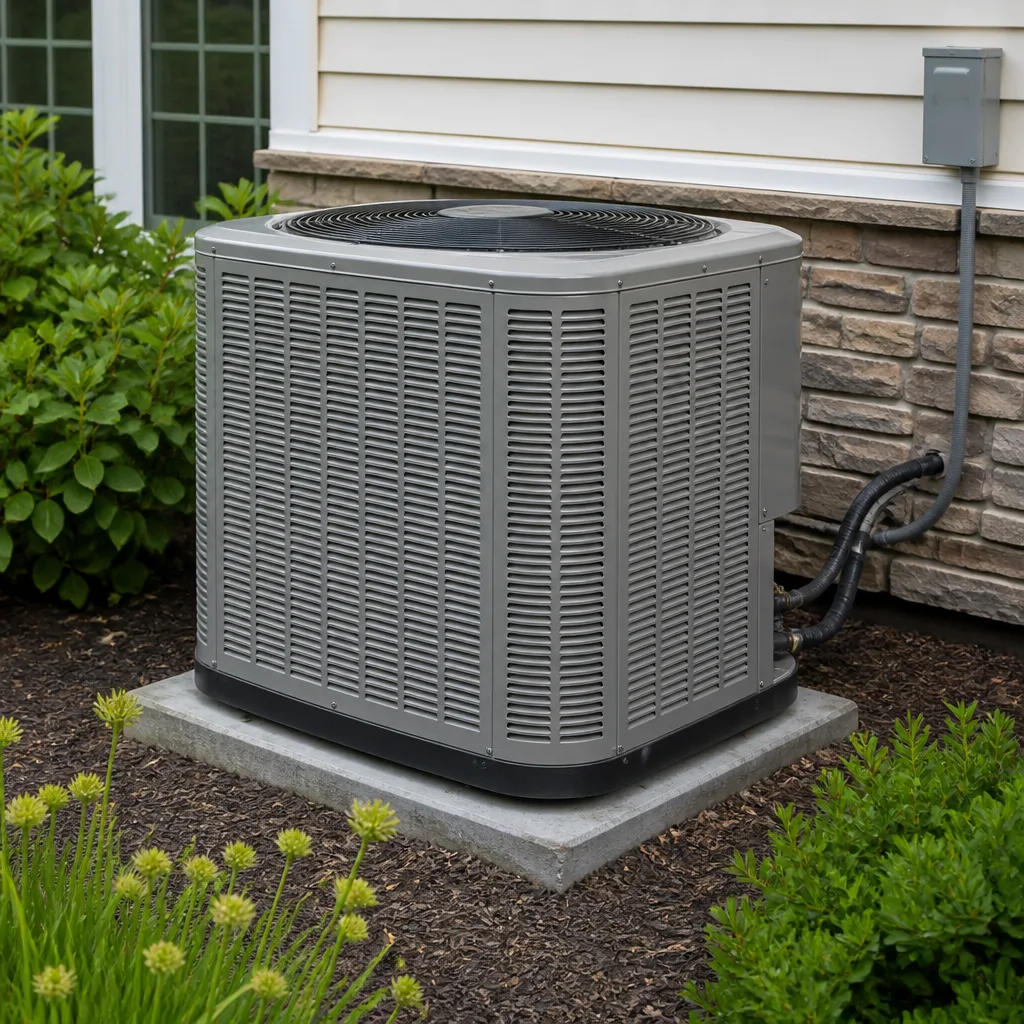 AC repair
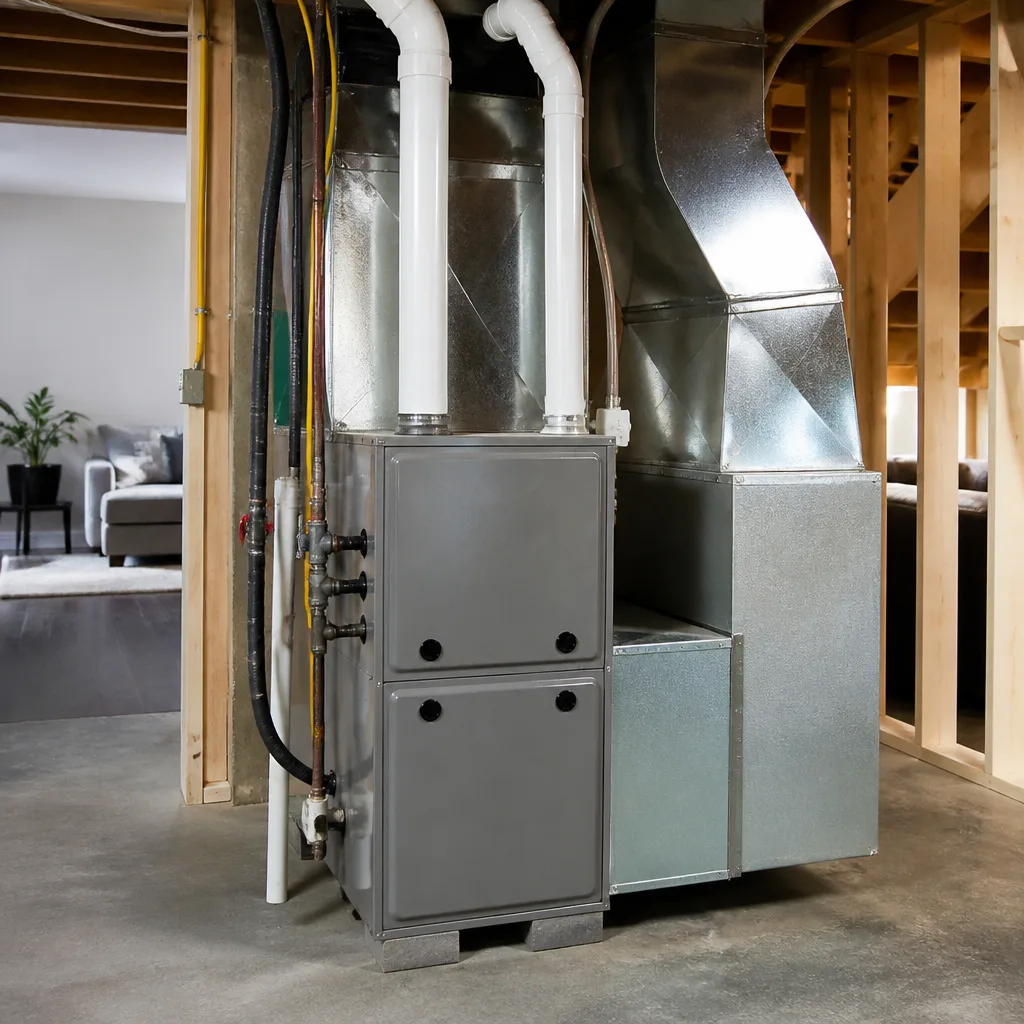 Furnace & heating
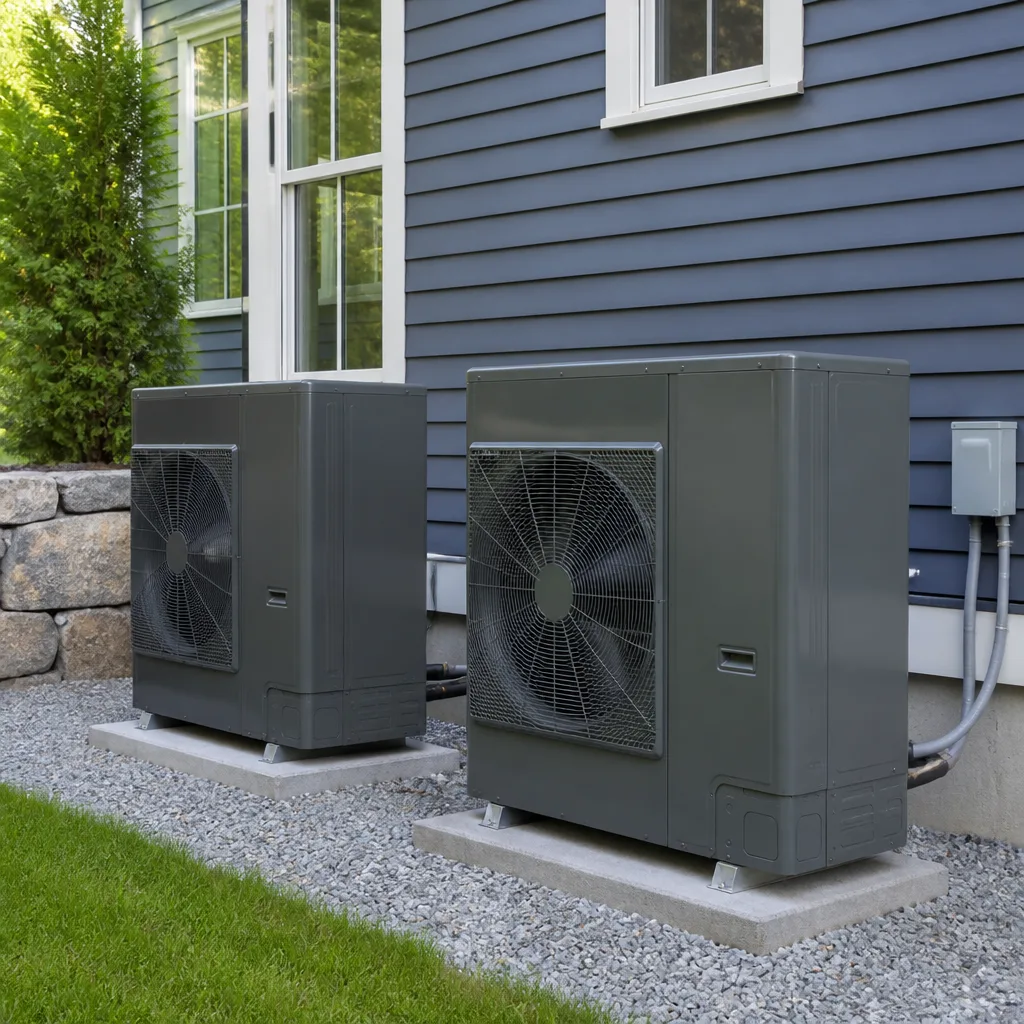 Heat pumps
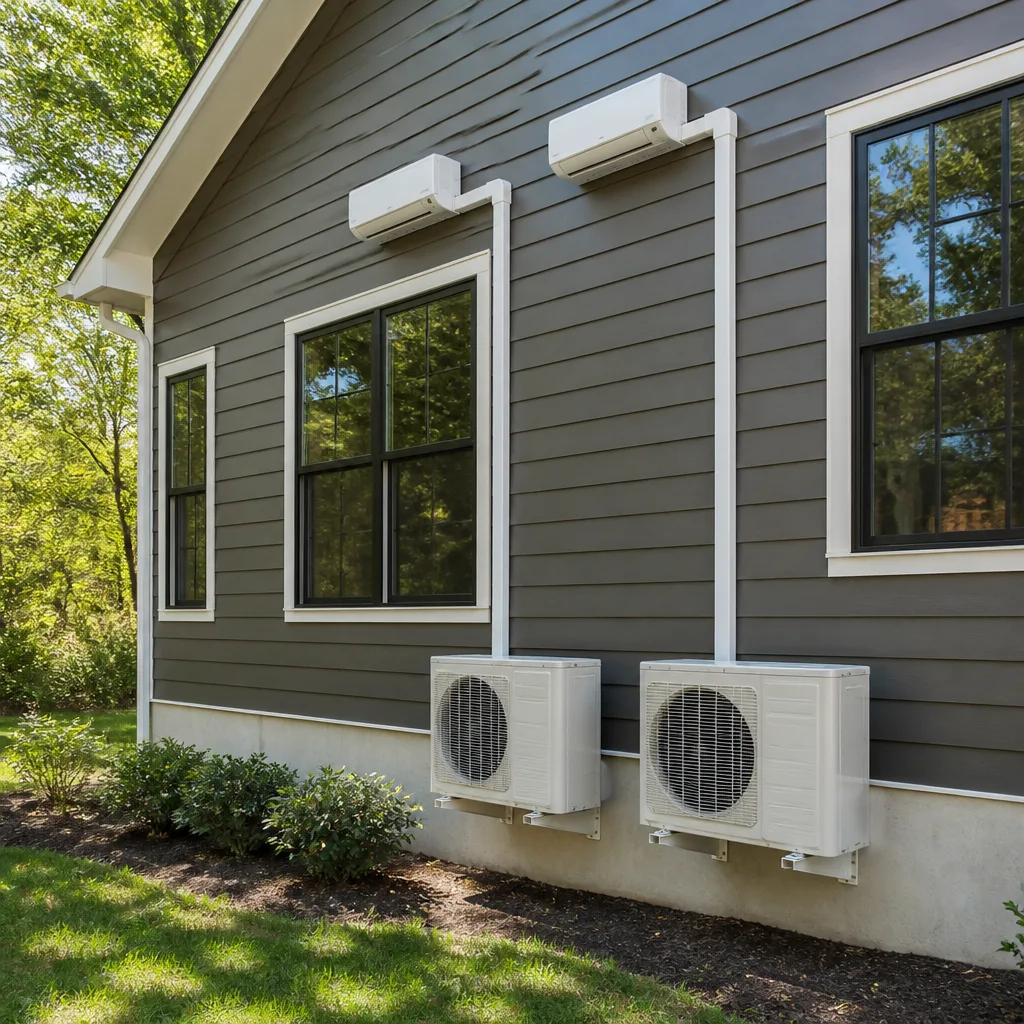 Ductless mini splits
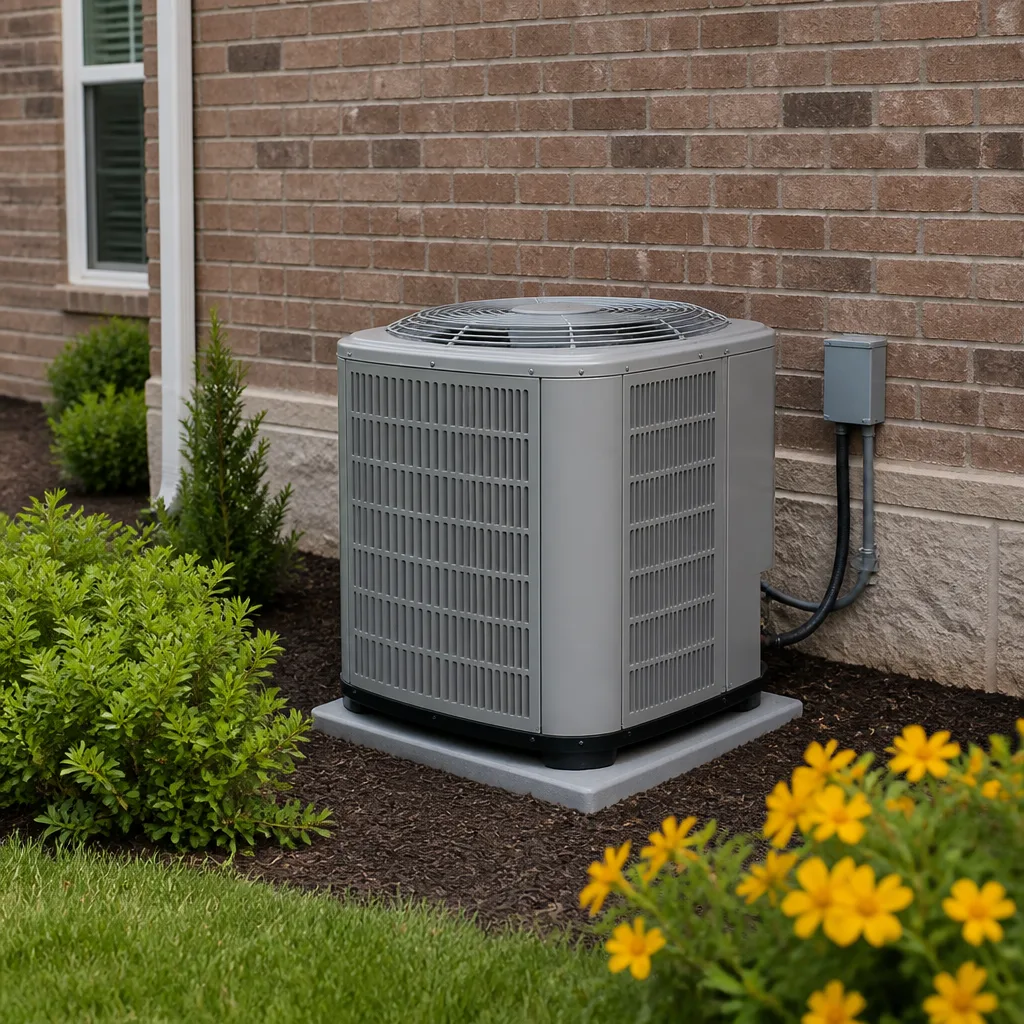 Carrier
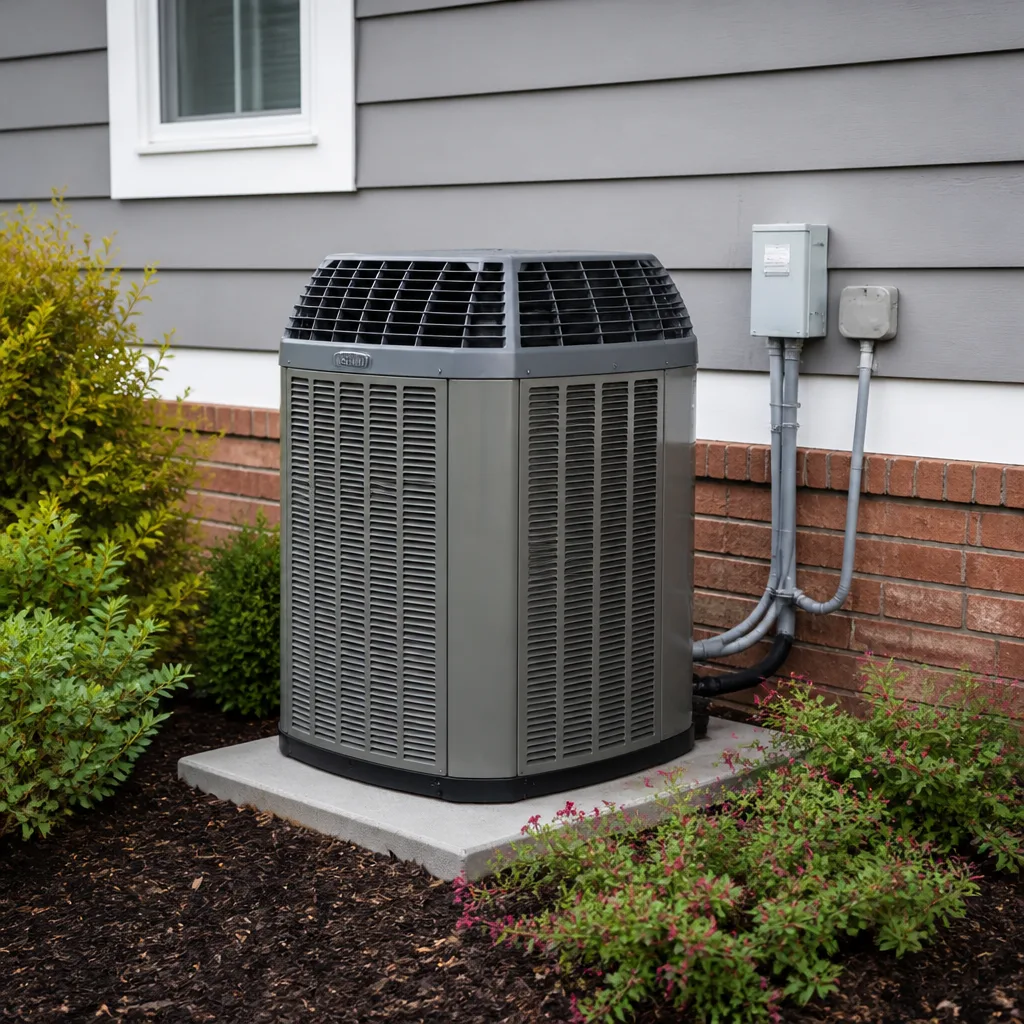 Trane
Trane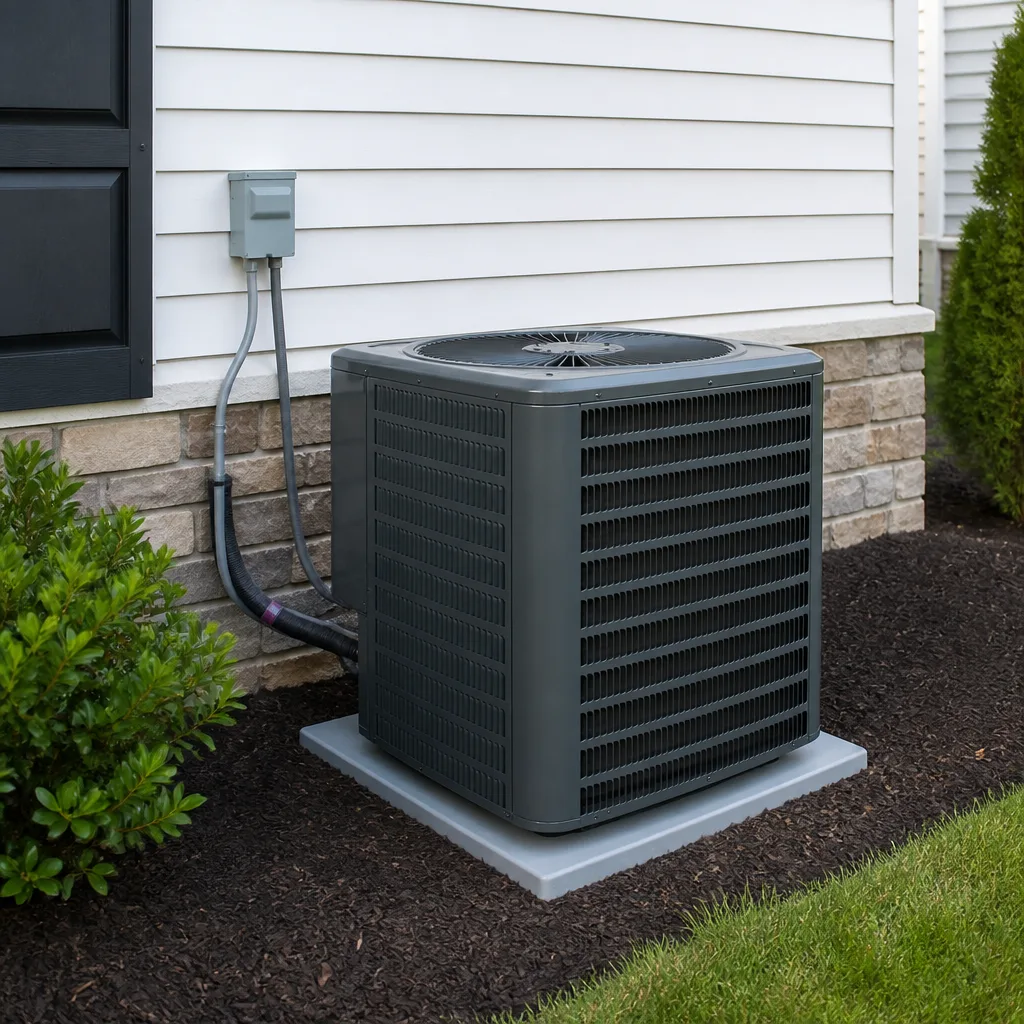 Goodman
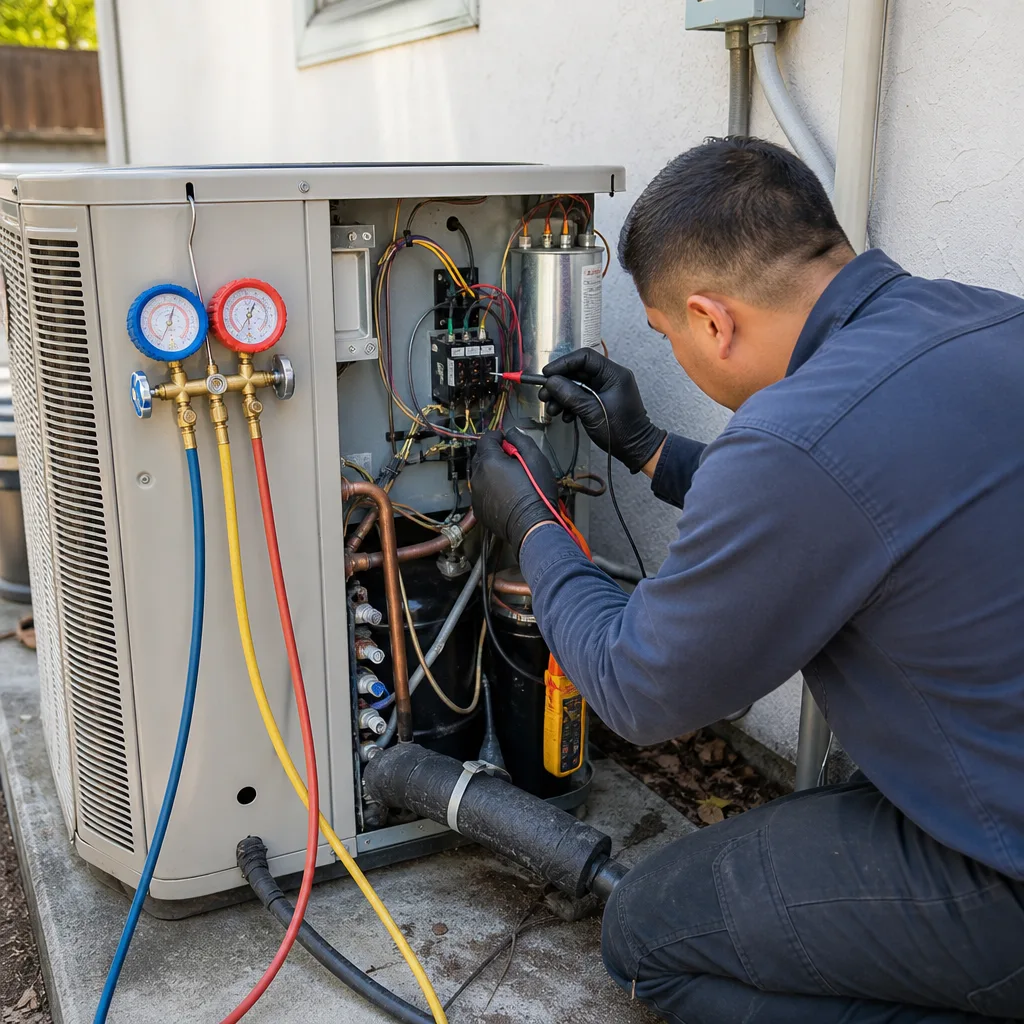
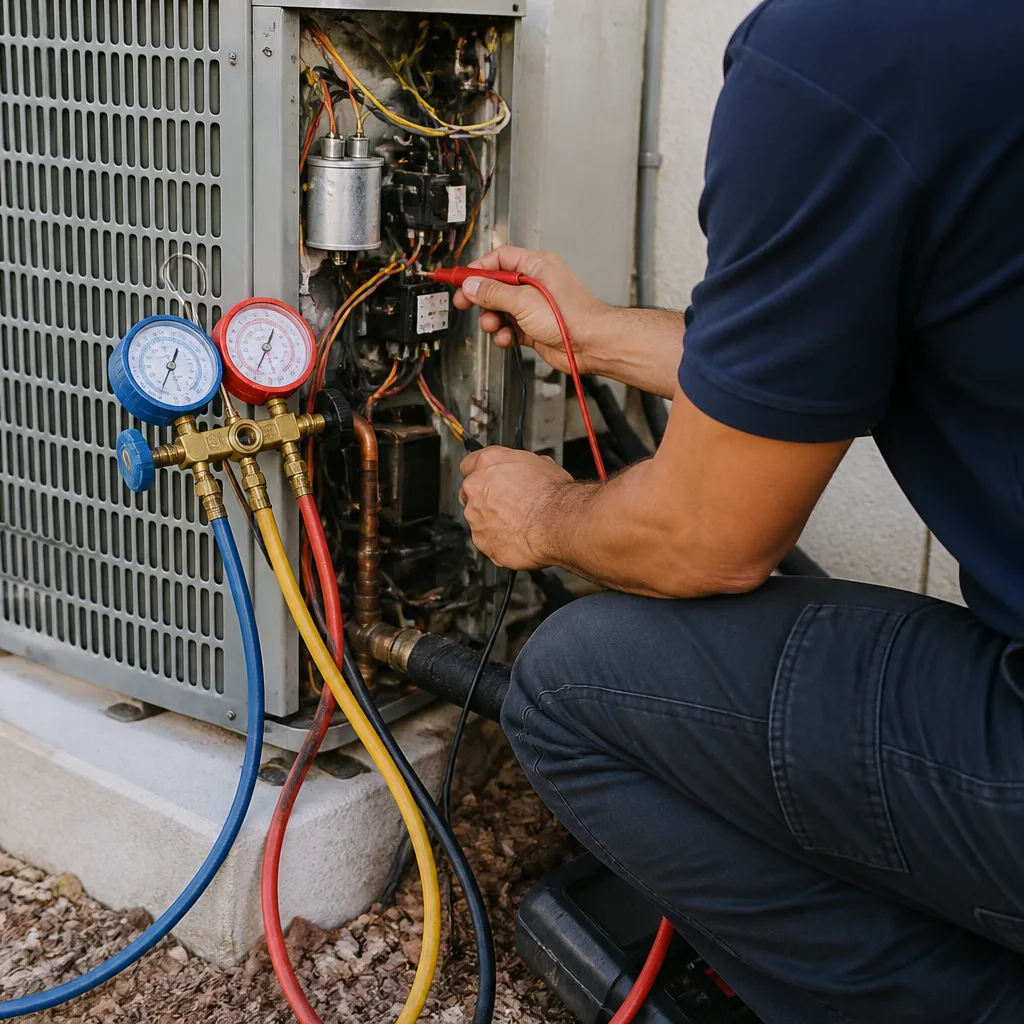
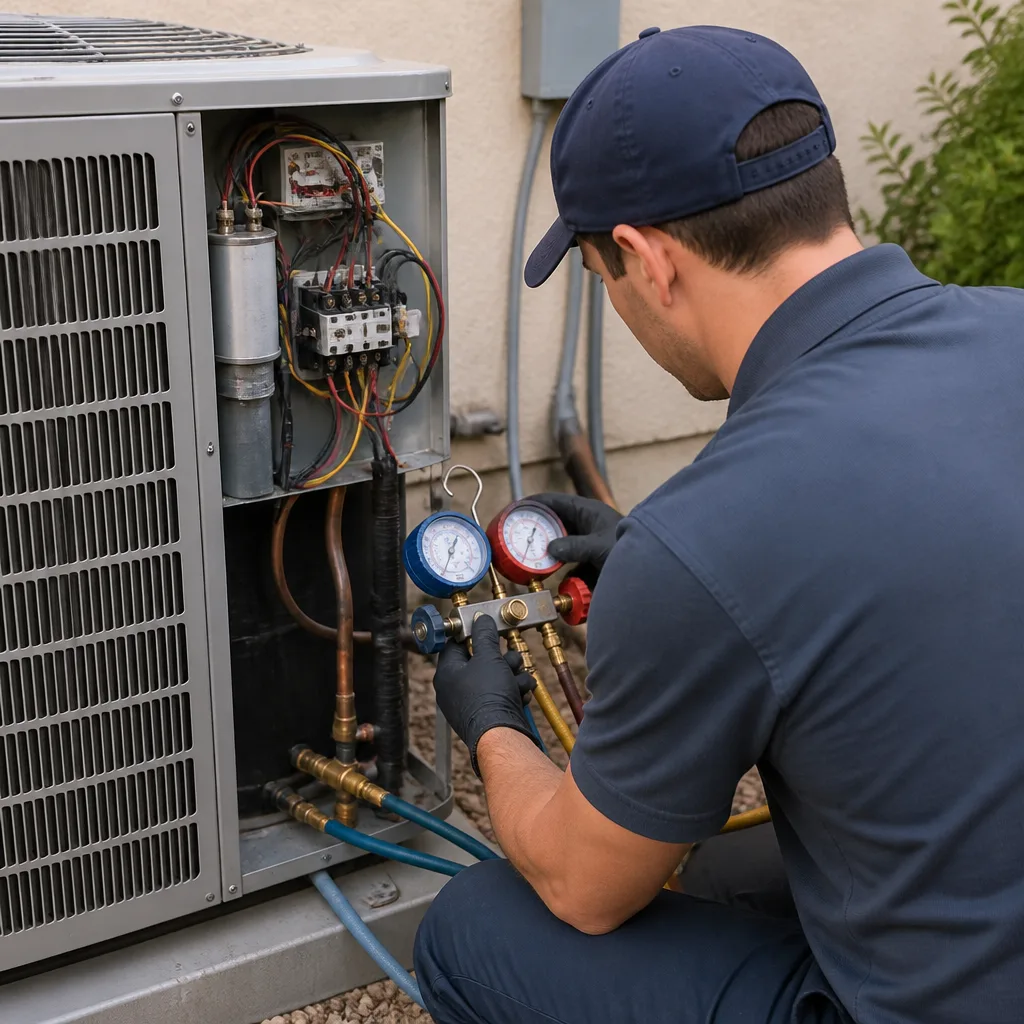
Seasonal tune-up and full diagnostic on your Carrier, Trane, or Goodman system - readings shown to you before any repair is proposed
Diagnosis first, numbers second - you approve the repair price before a single part goes in.
Get your free estimateHow to Hire a HVAC Contractor in Sacramento: A Step-by-Step Guide
The California Contractors State License Board (CSLB) receives hundreds of active HVAC-related complaints every year, and here’s what surprises most Sacramento homeowners: the majority aren’t about a system that failed after repair. They’re about verbal estimates that doubled by invoice time, work completed without permits, and technicians who couldn’t be identified after the fact. Hiring an HVAC contractor in Sacramento is not a price-comparison exercise. It’s a vetting exercise, and homeowners who know exactly which four questions to ask before anyone opens a tool bag consistently get better outcomes than those who chase the lowest bid. This guide gives you that exact interview script, explains what honest answers sound like, and walks you through license verification, background checks, and warranty language step by step. For HVAC Warning Signs: A Sacramento Homeowner’s Reference Guide on spotting trouble early, see our companion resource.
Styles & brands we work with
Quick Answer
To hire an HVAC contractor in Sacramento, verify their California C-20 HVAC license on the CSLB website (taking under two minutes), confirm they carry general liability and workers’ compensation insurance, insist on a written itemized estimate before any work begins, and get the workmanship warranty in writing with clear terms for what happens if something fails. Then ask the four core interview questions in Section 4 and listen for specific, verifiable answers rather than vague assurances.
Table of Contents
- Step 1: Verify the California C-20 HVAC License in Under Two Minutes
- Step 2: Confirm Insurance and Workers’ Comp Before Anyone Enters Your Home
- Step 3: Get the Written Estimate Right – Line Items That Protect You
- Step 4: Ask These Four Interview Questions Before Any Work Starts
- Step 5: Check References and Read Reviews the Right Way
- Step 6: Evaluate the Workmanship Warranty on Paper, Not in Words
- Step 7: Watch for These Sacramento-Specific Red Flags
- Common Mistakes to Avoid
- When to Call a Professional
- Frequently Asked Questions
- The Bottom Line
Step 1: Verify the California C-20 HVAC License in Under Two Minutes
Every HVAC contractor working in Sacramento must hold a valid C-20 Warm-Air Heating, Ventilating and Air-Conditioning Contractor license issued by the California Contractors State License Board. Verifying this takes less than two minutes and should be the first thing you do, before you even schedule an estimate. Go to the CSLB license lookup tool, enter the contractor’s name or license number, and check three things: the license status says “Active,” the classification is C-20 (not a general B license being stretched to cover HVAC work), and the expiration date is in the future.
Here’s what the license statuses actually mean for you as a homeowner. An “Active” license means the contractor has met California’s experience requirements, passed the C-20 exam, maintains a contractor bond, and carries the required insurance. An “Expired” or “Suspended” license means the contractor cannot legally perform HVAC work in Sacramento, and if someone is hurt on your property while an unlicensed contractor is working, your homeowner’s insurance may deny the claim because you knowingly hired an unlicensed party. A “Restricted” license typically means the CSLB has placed conditions on the license due to past violations or unresolved claims. You don’t want to be the next name on that restricted license’s file.
Sacramento gets specific on this point. The city requires mechanical permits for any HVAC installation or replacement, and a contractor with a lapsed license cannot pull that permit. See HVAC Permits, Codes & Inspections in CA: What You Need to Know for the full regulatory picture. That means the work happens without inspection, and when you sell your home, an unpermitted HVAC system becomes a disclosure problem that can cost thousands in negotiation. The two-minute check protects you from all of that.
Step 2: Confirm Insurance and Workers’ Comp Before Anyone Enters Your Home
A valid license is the floor, not the ceiling. The next layer of protection is insurance, and this is where a surprising number of Sacramento homeowners skip a step they’d never skip with a general contractor. You need to see two specific documents: a certificate of general liability insurance and proof of workers’ compensation coverage. Ask for both. Don’t accept a verbal “we’re fully insured.”
A valid certificate of general liability insurance should list the policy number, the insurance carrier’s name, the coverage limits (typically $1 million per occurrence for residential HVAC work), and the policy’s effective dates. The certificate should name you or your address as the certificate holder. If the contractor hesitates to provide this, or provides a certificate that expired months ago, that’s a red flag you should not ignore. In Sacramento, where summer attic temperatures routinely exceed 130 degrees, a technician who gets hurt on your property can file a claim against your homeowner’s insurance if the contractor lacks workers’ comp. That’s not a theoretical risk; it’s how liability actually moves in California.
Workers’ compensation matters specifically because HVAC work often happens in the most dangerous parts of your home: attics with exposed nails and minimal flooring, crawl spaces with limited ventilation, outdoor condenser units on uneven ground. If a worker is injured in your attic and the contractor has no workers’ comp coverage, the worker’s medical costs can legally fall to you. The fix is simple: ask to see the workers’ comp certificate before anyone climbs into your attic. A legitimate contractor will have it ready in seconds. At Meadowsweet Heating and Air Sacramento home, every technician is covered by workers’ comp and the company carries general liability insurance, and we’re glad to show you the certificates before any visit.
Step 3: Get the Written Estimate Right – Line Items That Protect You
In Sacramento, a verbal estimate is worth exactly what it costs you when the invoice arrives higher: nothing. The single most protective thing you can do when hiring an HVAC contractor is to insist on a written, itemized estimate before any work begins. Here’s what that estimate should include, line by line, and what each line item actually means.
What a Written Estimate Should Include
- Equipment make, model, and capacity: For any repair or replacement, the estimate should name the specific brand (Carrier, Trane, Lennox, Goodman, Rheem, York, Daikin, Bryant, American Standard, or whatever you’re being quoted) and the model number. “New 3-ton AC” is not a specification. A model number is.
- Labor broken out by task, not lumped into one line: If you’re paying for a furnace repair, the estimate should show the diagnostic, the specific repair, and any parts separately. Lumping everything into “labor” hides what you’re actually paying for.
- Materials with part numbers where applicable: A capacitor, a contactor, a blower motor – these are specific parts with specific costs. If the estimate says “parts” without naming them, ask for the part numbers.
- Permit fees listed as a separate line item: In Sacramento, mechanical permits are required for system installation and replacement. A legitimate contractor will include the permit fee as a visible line item and pull the permit themselves. A contractor who says “we don’t need a permit for this” is asking you to accept unpermitted work.
- Total price, clearly stated and itemized: The price should be a single number at the bottom that matches the sum of the lines above it. Not “estimated total,” not “ballpark.” A written price.
- Scope of work in plain English: What will be done, what will be left alone, what’s included in cleanup, and what happens if something unexpected is found. This is the part that protects you when a small repair turns into a “necessary” upgrade.
- Payment terms and schedule: When money is due, in what amounts, and what happens if the work isn’t completed. A contractor asking for full payment upfront for a repair is a red flag that should send you elsewhere.
What “Diagnostic Fee Applied to Repair” Means in Practice
Many Sacramento HVAC companies charge a diagnostic fee to send a technician to your home, typically in the $59 to $129 range. Some companies apply that fee toward the repair if you proceed with the work; others keep it regardless. The estimate should state explicitly which model you’re dealing with. If the fee is applied to the repair, the estimate should show the fee as a credit against the final total. If the fee is separate, that should be equally clear. There’s nothing wrong with either model, but the one thing that’s never acceptable is a diagnostic fee that wasn’t disclosed until the technician was standing in your hallway.
What to Do When a Contractor Refuses to Put Price in Writing
Walk away. It’s that simple. In our experience, a contractor who refuses to write down a price before starting work is telling you exactly how the rest of the interaction will go: vague promises, surprise line items, and no accountability. The written estimate isn’t just a convenience; it’s the document you’ll hold up if you ever need to file a CSLB complaint or a small-claims action. Without it, you’re negotiating from memory, and you’ll lose. At Meadowsweet Heating and Air, a written price before any work starts is one of three non-negotiable standards on every single job, along with shoe covers and drop cloths inside the home and a photo of the clean-up before the crew leaves.
Step 4: Ask These Four Interview Questions Before Any Work Starts
Here’s the interview script this guide promised. These four questions, asked calmly and before anyone opens a tool bag, will tell you more about a contractor in five minutes than any review platform will tell you in an hour. But the key isn’t just asking them. It’s listening for what honest answers actually sound like.
Question 1: “Can I see your C-20 license number and your insurance certificates right now?”
An honest answer sounds like: a license number rattled off from memory or pulled up in seconds, and email certificates that arrive while you’re still on the phone. A contractor who has been doing this work for years has these documents ready, because every legitimate job requires them. An evasive answer: “I’ll bring that when I come out,” or “It’s on the website,” followed by a website that doesn’t actually show the number. In Sacramento, where the CSLB actively monitors contractor compliance and regularly cites unlicensed operators, a contractor who can’t produce a C-20 number on request is not someone you want touching your furnace.
Question 2: “What exactly will you do if the repair doesn’t solve the problem?”
An honest answer sounds like: a specific process. “We’ll come back within 48 hours and re-diagnose at no charge. If the issue is something we missed, the labor is on us. If it’s a new and unrelated problem, we’ll show you exactly what changed and give you a new written price before we do anything.” A vague answer: “We stand behind our work, don’t worry.” The phrase “we stand behind our work” without a written workmanship warranty behind it is simply words. What you want is a contractor who can name the exact process for what happens when things don’t go right the first time. That’s the difference between a 365-Day Done Right Promise and a handshake. If the answer to “what happens when it doesn’t work” is a shrug or a slogan, keep looking.
Question 3: “Who will actually be doing the work, and are they employees or subcontractors?”
An honest answer sounds like: “Technicians who are employees of our company, background-checked, in uniform, and covered by our insurance and workers’ comp.” A risky answer: “I’ll send my guy out,” with no clarity on whether “my guy” is an employee or an unlicensed subcontractor working for cash. Sacramento has a persistent problem with unlicensed subcontractors doing HVAC work under the umbrella of a licensed general contractor. If the person holding the C-20 license isn’t the person in your attic, you need to know who is, and you need to confirm that person is also covered by the company’s insurance and workers’ comp. Unlicensed subs mean unpermitted work means liability that lands on you.
Question 4: “What’s your process for permits on this job?”
An honest answer sounds like: “For any system replacement or installation, we pull the mechanical permit ourselves, schedule the inspection, and meet the inspector on site. Permit fees are listed on your estimate.” An evasive answer sounds like: “It’s a small job, we don’t really need a permit for this,” or “You can pull the permit yourself if you want.” A contractor who pushes you to skip permits is not doing you a favor; they’re transferring legal risk onto you. In Sacramento, mechanical permits are required for HVAC replacement and installation, and unpermitted work becomes your problem at resale, at refinance, and at any future inspection. The city can require you to bring the system up to code retroactively, and that’s far more expensive than the permit fee was in the first place.
Step 5: Check References and Read Reviews the Right Way
Reviews are useful, but only if you read them the way a hiring manager reads a resume: looking for patterns, not outlier experiences. A single one-star review about a technician having a bad day tells you nothing. Five reviews across three months that all mention the same specific failure – “they charged me twice the oral estimate,” or “they left the attic access open,” or “nobody returned my call for a week” – those tell you everything.
Here’s how to check references and reviews in a way that actually protects you in Sacramento:
- Ask the contractor for three references from the last 90 days, not from years ago. Recent references tell you how the company operates right now. A contractor who can’t produce three recent homeowner references is a contractor whose recent work history may not be worth showing off.
- Call those references and ask one specific question: “Would you hire them again, and if not, why not?” People are honest on the phone in ways they aren’t online. Listen for hesitation.
- Read reviews sorted by most recent, not by rating. A five-star average built on reviews from 2019 tells you nothing about the company that exists today. Sort for the newest reviews and look for recurring themes.
- Look for review language that names concrete details: “The technician wore shoe covers and put down a drop cloth before opening the furnace” is a useful signal. “Great service, very professional” is a template. Specific reviews come from real experiences.
- Cross-check the CSLB complaint history. The CSLB license lookup tool also shows any formal complaints filed against the contractor and their disposition. A clean complaint history is a strong signal. A contractor with multiple open complaints about the same issue – billing disputes, unpermitted work, abandoned jobs – is a contractor to avoid.
In Sacramento specifically, where summer heat regularly pushes 100 degrees and a failed AC in July is a same-week emergency, the temptation to book the first available contractor is real. Don’t let the urgency override the vetting. A contractor who can’t pass a five-minute reference check is not someone you want troubleshooting a gas furnace in a home with kids sleeping upstairs.
Step 6: Evaluate the Workmanship Warranty on Paper, Not in Words
Every honest HVAC contractor offers some form of workmanship warranty, but “workmanship warranty” means nothing until it’s written down and you’ve read what it actually covers. Here’s how to evaluate a warranty the way a California consumer protection attorney would.
What a Written Workmanship Warranty Should Include
- The duration, stated as a number of days: Not “a year or so,” but “365 days from the date of service.” The number should be specific and written.
- What is covered, in plain language: Labor, parts, or both? If the repair fails because the technician made an error, the warranty should cover the follow-up labor and parts at no charge. If the equipment itself fails due to a manufacturer defect, that’s typically covered by the manufacturer’s parts warranty, not the contractor’s workmanship warranty. Both should be explained clearly.
- What happens when you call: Is there a number to call? Is it answered by a person or a voicemail queue? How quickly will someone come out? A warranty with a phone number that goes to voicemail is a warranty that may not be worth the paper it’s printed on.
- What’s excluded, stated honestly: No warranty covers everything. A legitimate warranty will state its exclusions – damage from neglect, unauthorized modifications, issues caused by a different system component. A warranty that claims to cover “everything” is a warranty written by someone who doesn’t plan to honor it.
What Recourse Exists in California If a Contractor Doesn’t Honor the Warranty
In California, you have several paths if a contractor refuses to honor a written workmanship warranty. First, file a formal complaint with the CSLB. The CSLB has investigative authority and can compel a contractor to respond, and repeated complaints about the same contractor can result in license suspension or revocation. Second, California’s contractor bond – required of every licensed contractor – exists precisely for this purpose: homeowners can file a claim against the bond for covered losses up to the bond amount. Third, small claims court in Sacramento County is available for disputes up to $12,500, and a written warranty plus a written estimate gives you the documentation a judge will actually want to see.
A verbal “we stand behind our work” gives you none of these protections. A written warranty, with a specific duration and a clear process for what happens if something fails, gives you all of them. At Meadowsweet Heating and Air, every job is backed by a 365-Day Done Right Promise, and the promise is simple: if it’s not done right, we make it right, with no runarounds and no fine print. That’s our standard, and we put it in writing on every job.
Step 7: Watch for These Sacramento-Specific Red Flags
Every city has its own HVAC market quirks, and Sacramento has several that show up repeatedly in CSLB complaints and consumer disputes. Here are the red flags we see most often in this market, and what they actually mean for you.
Red Flag 1: “We don’t need a permit for this small job.”
In the city of Sacramento, mechanical permits are required for HVAC installation and replacement, full stop. The “small job” language is a workaround that transfers legal risk to you. If the contractor won’t pull the permit, the contractor knows something about the job that you don’t. Walk away.
Red Flag 2: “Sign today and I can lock in this price.”
Pressure to decide before the technician leaves is a classic pattern, not just in Sacramento but especially in Sacramento, where summer AC failures create urgency that less scrupulous operators exploit. A legitimate contractor gives you a written price and lets you compare it. We give every customer a written price and encourage them to read it carefully. If someone is pushing you to sign before you’ve had time to read the estimate, they’re pushing because they don’t want you to read the estimate.
Red Flag 3: The estimate doesn’t name the technician or the company’s license number.
A legitimate written estimate in Sacramento should have the company’s name, C-20 license number, and contact information printed at the top. If the estimate is a handwritten note with a first name and a phone number, you’re not getting an estimate; you’re getting a souvenir. If you later need to file a CSLB complaint or a bond claim, a handwritten note with no license number is worth nothing.
Red Flag 4: The technician says the system “needs” a replacement after a 20-minute visit.
A legitimate diagnosis takes time, especially on a heat pump or a furnace with multiple potential failure points. A technician who declares a system dead after 20 minutes and immediately pivots to selling a replacement is not diagnosing; they’re selling. Ask for the specific readings that led to the conclusion: refrigerant pressure, amp draw, temperature differential. A technician who can’t explain the “why” behind the “what” is a technician you should thank and send on their way.
Red Flag 5: No mention of cleanup, no shoe covers, no drop cloths.
This one matters more than most people think, especially for Sacramento families with kids and pets. A contractor who doesn’t protect your floors on the way in will not protect anything else on the way out, and the tiny comfort of not being asked to wear shoe covers becomes a much bigger issue when insulation dust is tracked from the attic across your living-room carpet. At AC Repair in Sacramento, shoe covers and drop cloths are not an upsell; they’re standard on every job, and we send a photo of the clean-up before the crew leaves.
Common Mistakes to Avoid
- Hiring the lowest bid without reading what’s in it. A $180 AC repair bid that doesn’t include the diagnostic fee, the part number, or the permit fee will become a $480 invoice by the time the crew leaves. Read the line items, not just the total. If you need Furnace Repair in Sacramento, the same rule applies.
- Skipping the license check because the website looks professional. A polished website costs $50 a month. A C-20 license takes years to earn. The website has nothing to do with the license status.
- Accepting “we’re insured” without seeing the certificate. “We’re insured” is true until it isn’t, and you don’t want to find out which it is after an injury happens in your attic.
- Not asking who will do the work. The salesperson with the C-20 license is not the person in your attic. If the person in your attic isn’t an employee covered by workers’ comp, that liability is yours.
- Agreeing to skip the permit. Permit fees are visible line items for a reason. Skipping the permit saves a few hundred dollars today and costs thousands at resale. In Sacramento, unpermitted HVAC work is a disclosure problem that appraisers and inspectors routinely catch.
- Making a decision under time pressure in a heat wave. July in Sacramento is not the time to make a rushed decision about a contractor you’ve never vetted. The heat creates urgency; the urgency creates mistakes. A written price, quoted calmly, should be possible even on the hottest day of the year.
- Accepting a verbal warranty as a written one. If the warranty isn’t on paper, it doesn’t exist. Get it in writing, with a duration, a scope, and a phone number that’s answered by a person.
When to Call a Professional
There are times when the right move is to stop vetting and start scheduling. If your furnace is making a smell that didn’t exist yesterday, a gas leak or a cracked heat exchanger is a carbon monoxide risk that deserves a same-day call, not a weekend of research. If your AC is blowing warm air during a Sacramento heat wave with a baby or an elderly family member in the house, get a trained technician out today. If you’re replacing a system and the quotes differ by thousands of dollars, the difference is usually in the equipment sizing, the permit inclusion, or the warranty terms – a licensed professional can explain what’s actually being quoted. Meadowsweet Heating and Air Sacramento offers free estimates for AC Installation in Sacramento – call (279) 263-8708 and a live person answers, 24 hours a day, 7 days a week, no voicemail queue.
Frequently Asked Questions
Go to the California Contractors State License Board (CSLB) website, click the license lookup tool, and search by the contractor’s name or license number. Confirm the license is active, the classification is C-20 (warm-air heating, ventilating and air-conditioning), and the expiration date is in the future. The entire process takes under two minutes, and an expired or restricted license means the contractor cannot legally perform HVAC work in Sacramento.
A written HVAC estimate should include the equipment make and model number, labor broken out by task, parts with part numbers, permit fees as a separate line item, a clear total price, and scope of work in plain English. If any of these are missing, ask for them before you sign. At Meadowsweet Heating and Air, a written price before any work starts is standard on every visit, not an optional add-on.
Yes. The city of Sacramento requires mechanical permits for HVAC installation and replacement, and a licensed C-20 contractor should pull the permit themselves and schedule the inspection. A contractor who says a permit isn’t needed is asking you to accept unpermitted work, which becomes a legal and financial problem at resale.
Diagnostic fees in Sacramento typically run between $59 and $129. Some companies apply the diagnostic fee toward the repair if you proceed with the work; others keep it as a separate charge. Either model is fine as long as the fee is disclosed clearly before the technician arrives and the written estimate states which model applies.
A reasonable workmanship warranty on an HVAC repair should last at least 90 days, and the strongest warranties run 365 days. The duration should be stated as a specific number of days in writing, along with what’s covered (labor, parts, or both) and what happens if the repair fails. A verbal “we stand behind our work” is not a warranty. Get it in writing, with a phone number that’s answered by a person.
You should hire the contractor whose written estimate and vetting process hold up to scrutiny, and that’s rarely the cheapest bid. A low bid often means the permit fee was left out, the equipment is undersized, or the warranty is shorter than it should be. In Sacramento’s climate, where your AC runs hard for six months a year, undersized equipment and skipped permits cost far more than a slightly higher upfront price. Our HVAC Cost Breakdown: The Sacramento Homeowner’s Reference for 2026 shows exactly where those hidden costs catch up with you. Call (279) 263-8708 for a free estimate on any HVAC work in Sacramento – we’ll give you a written price and explain every line item before you decide.
The Bottom Line
Hiring an HVAC contractor in Sacramento comes down to four things you can verify in under an hour: a C-20 license that’s active and unexpired, insurance certificates that name real coverage and real limits, a written estimate that itemizes equipment, labor, parts, and permits, and a workmanship warranty in writing with a specific duration and a real phone number. Ask the four interview questions before anyone opens a tool bag, watch for the Sacramento-specific red flags, and don’t let a heat wave rush you into a decision you’ll regret. The contractors who welcome your questions and have answers ready are the same contractors who’ll leave your home the way they found it. Browse our more guides & resources to keep your system running right year-round. For a free estimate from a team that puts every price in writing and backs every job with a 365-Day Done Right Promise, call Meadowsweet Heating and Air Sacramento at (279) 263-8708.
Written by Luis Serrano, Owner at Meadowsweet Heating and Air Sacramento, serving Sacramento since 2004.
See the difference
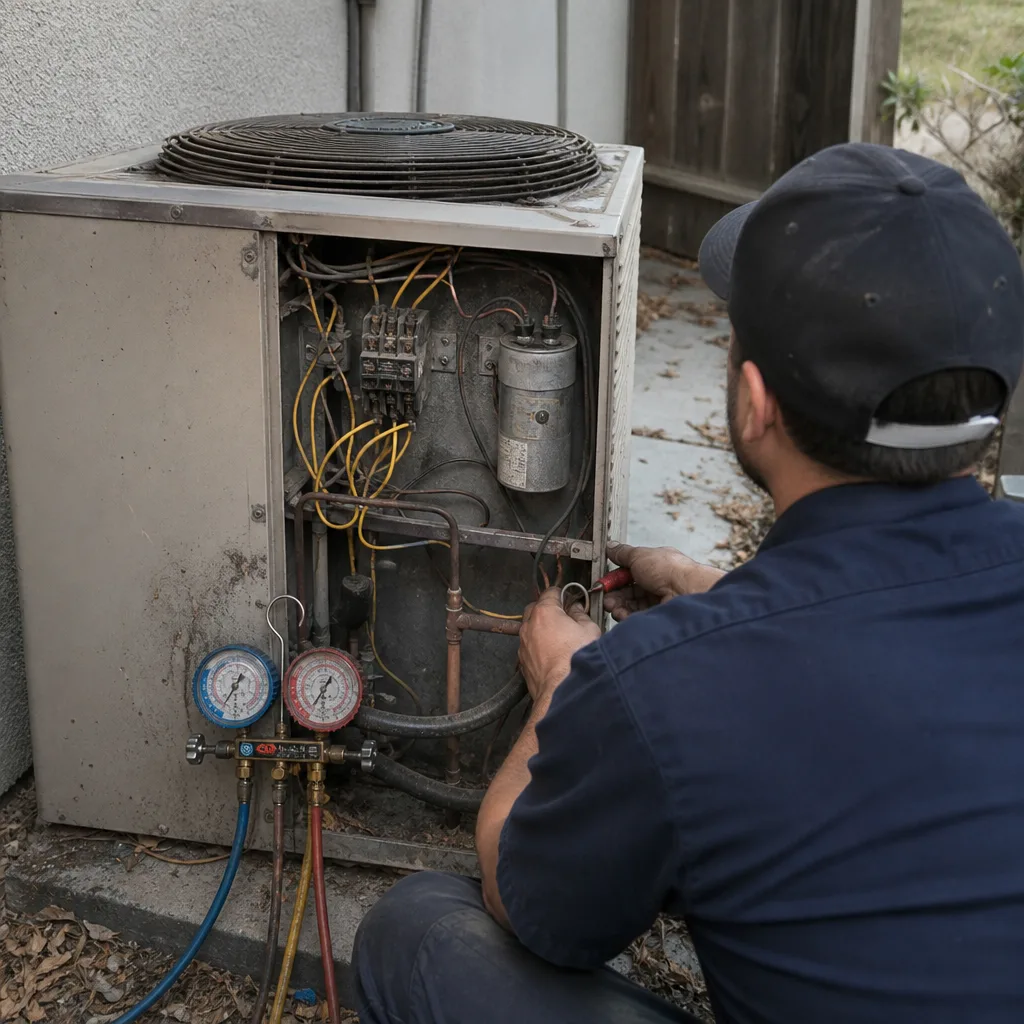 Before
 After
After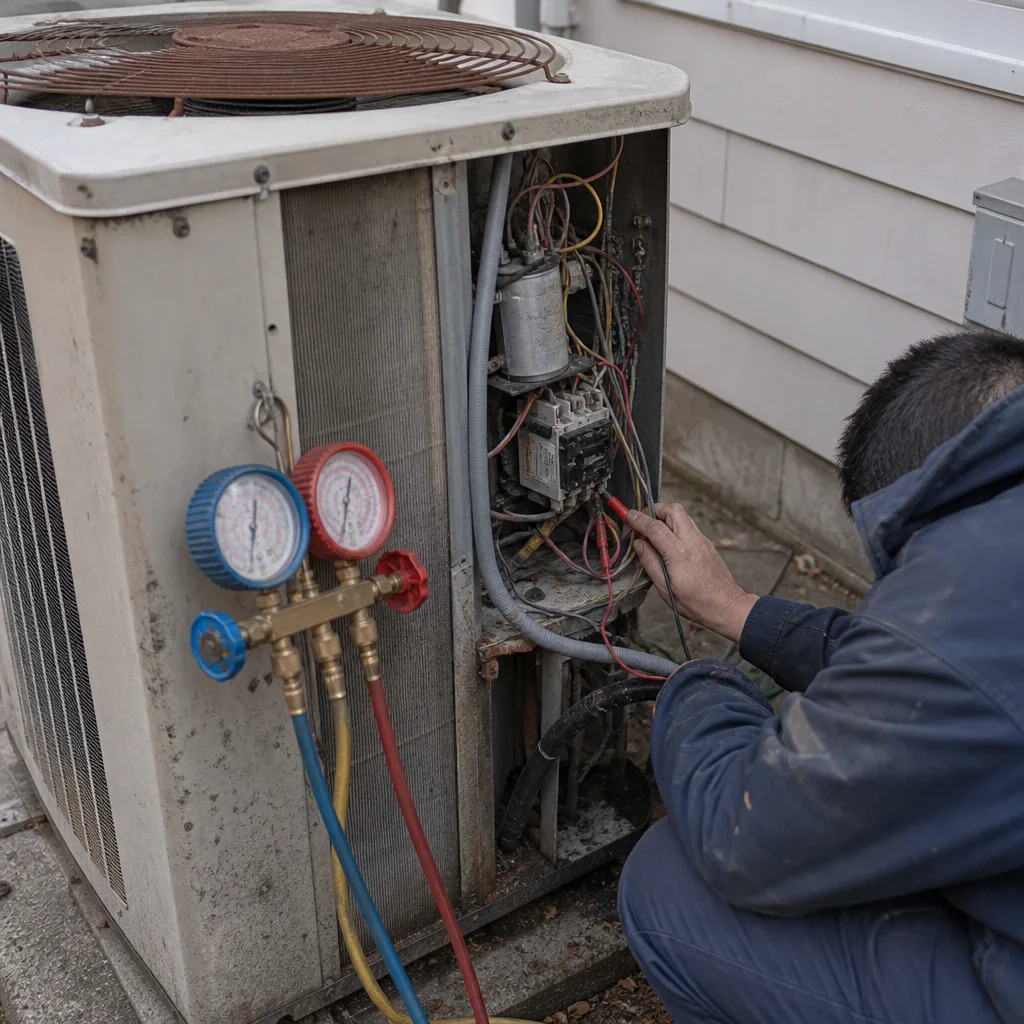 Before
 After
After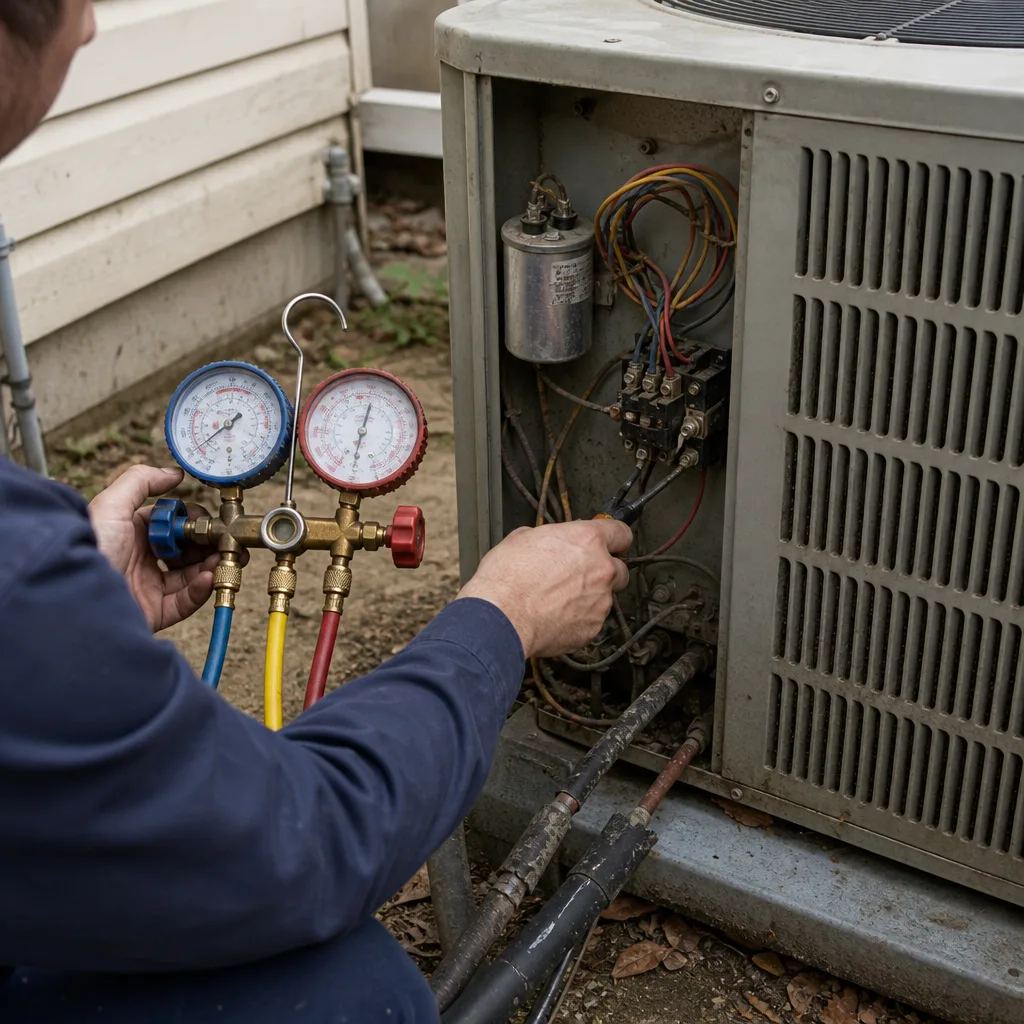 Before
 After
After