
Last updated October 16, 2026
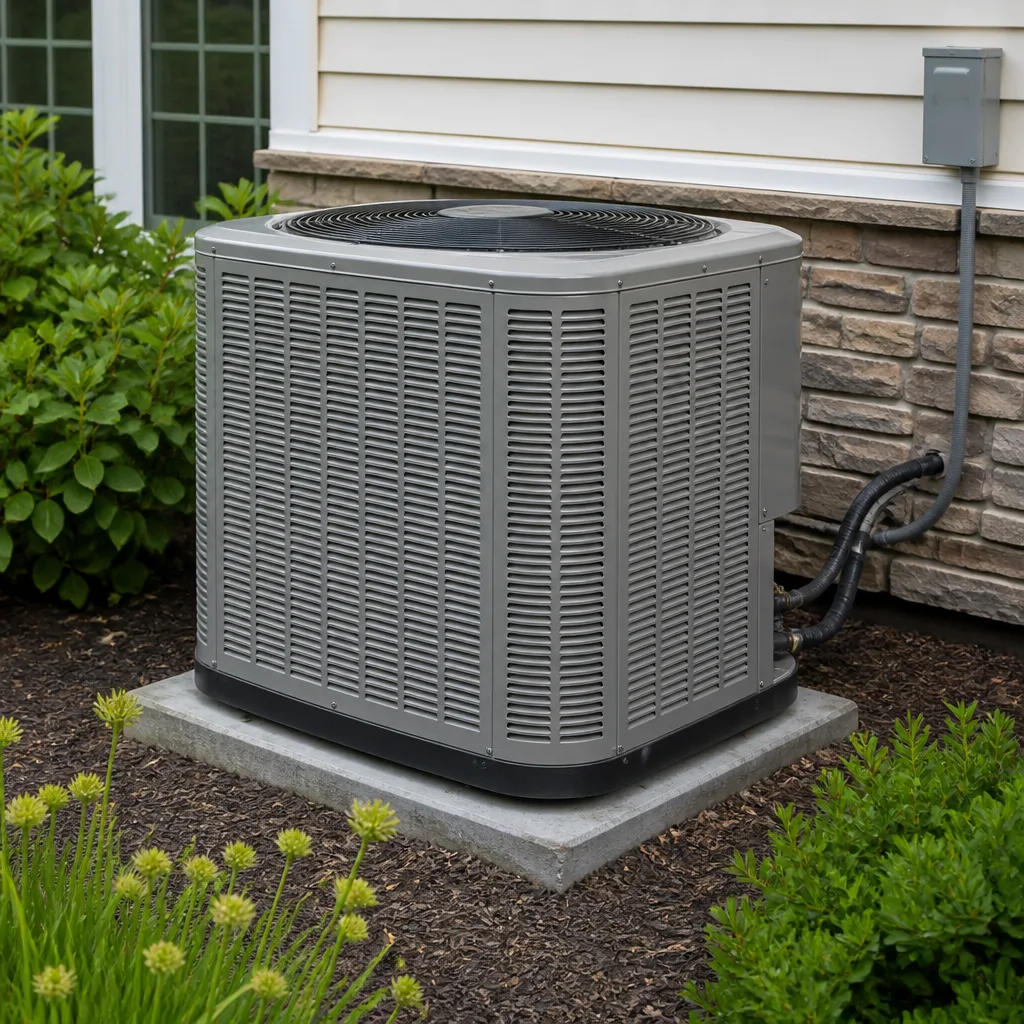 AC repair
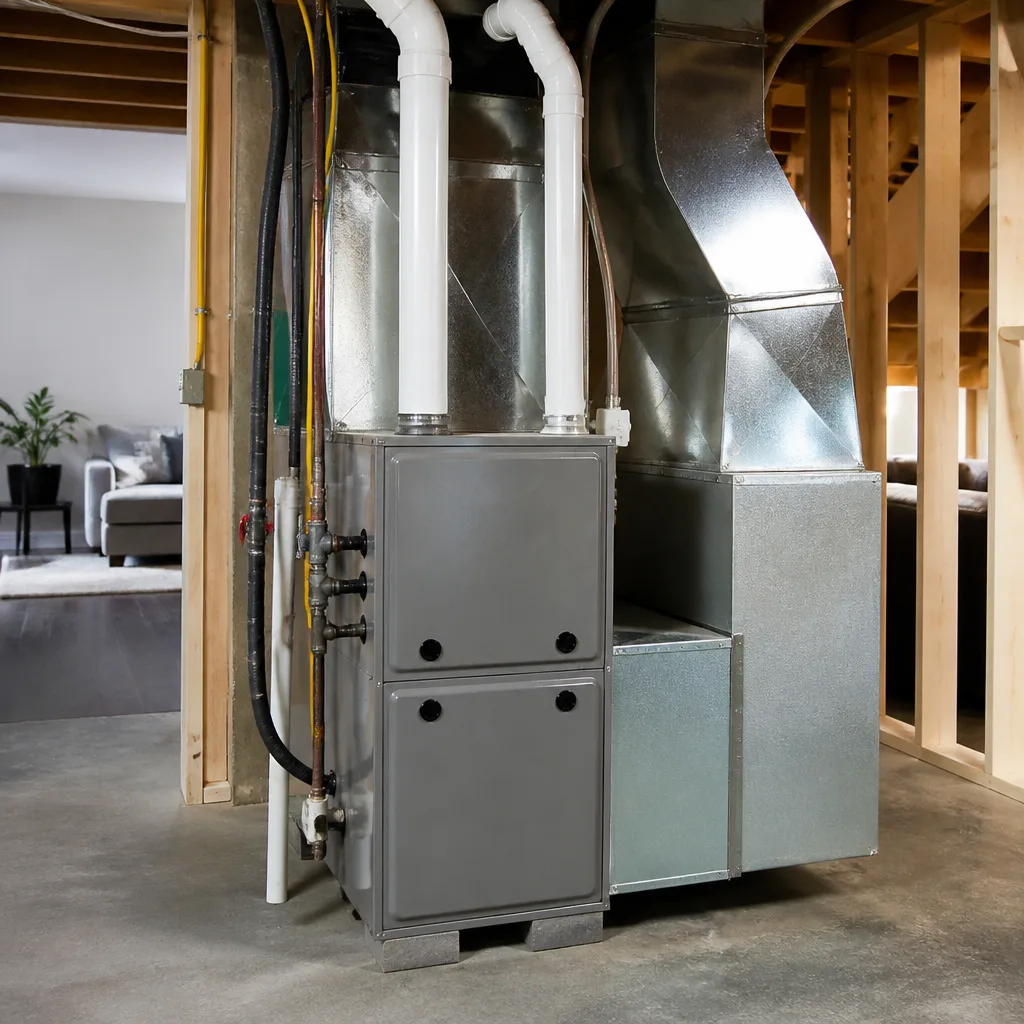 Furnace & heating
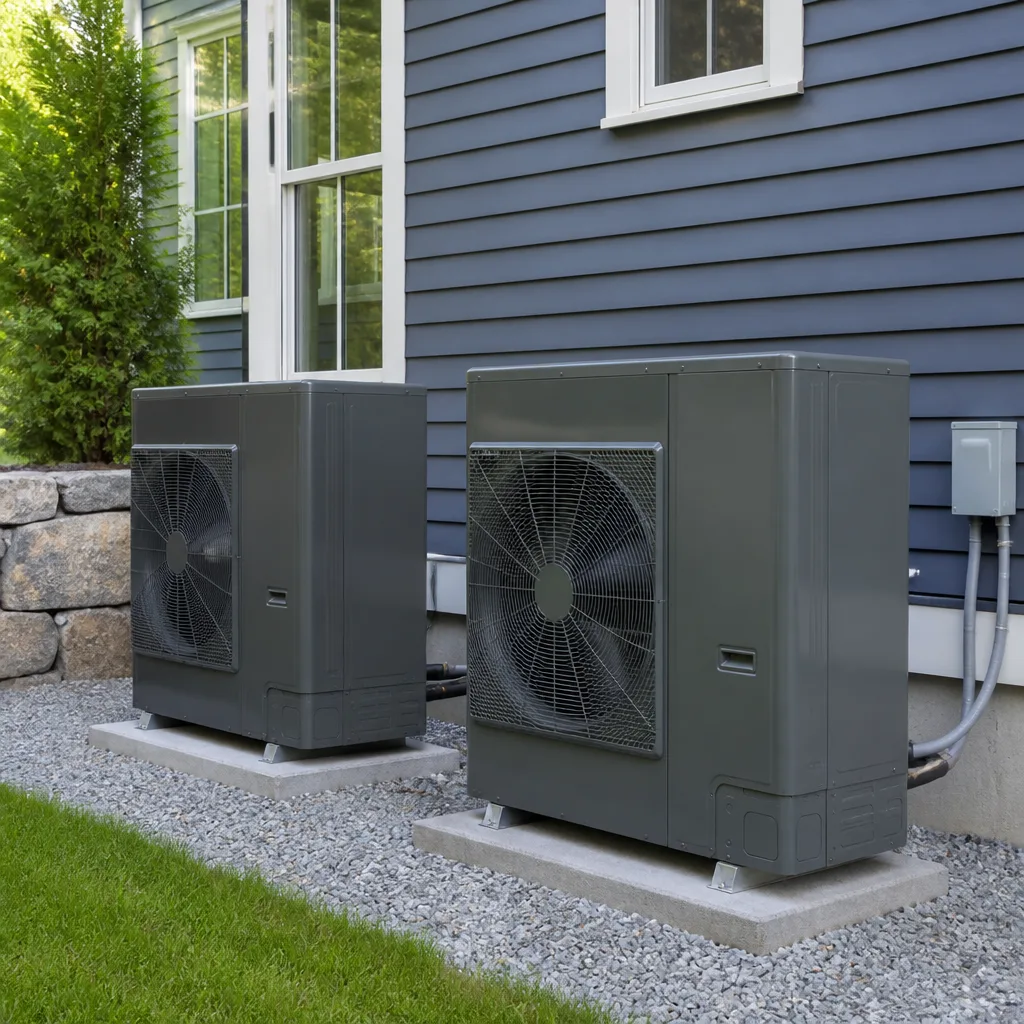 Heat pumps
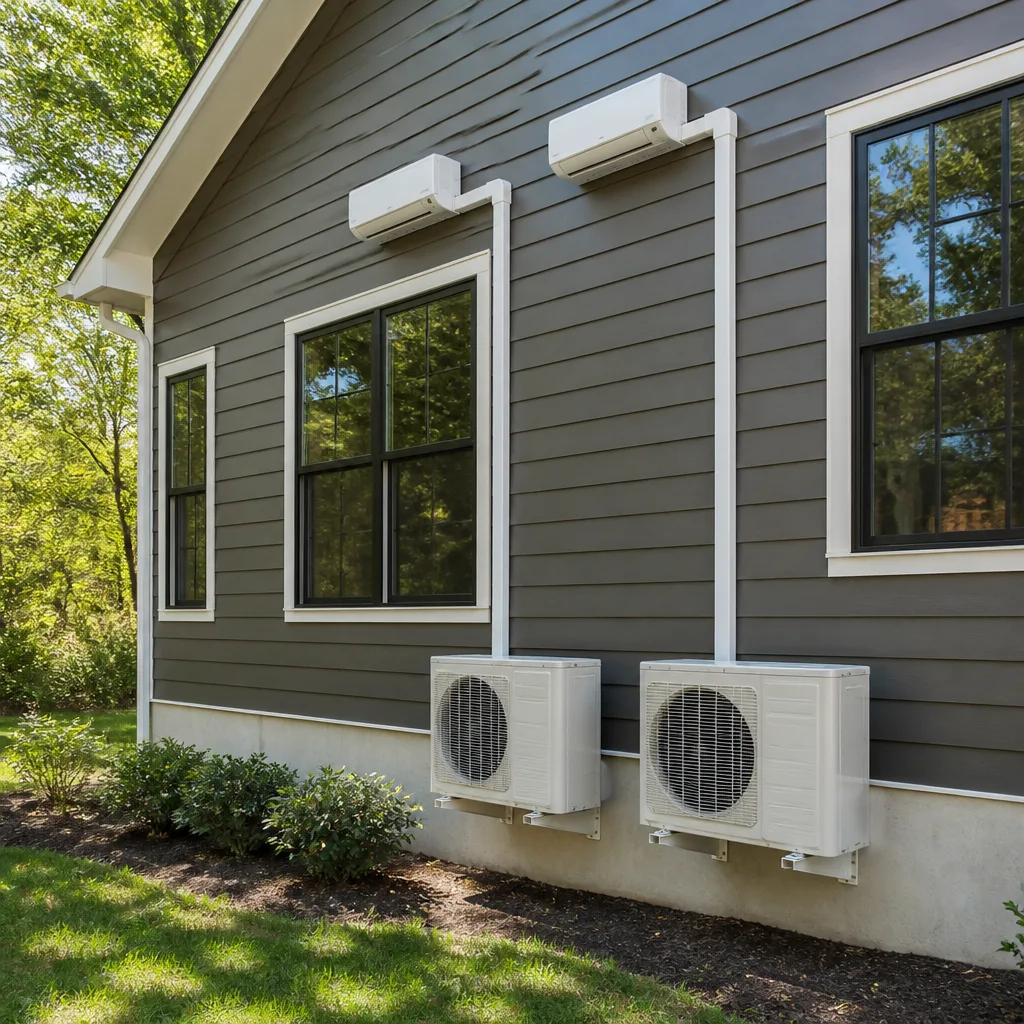 Ductless mini splits
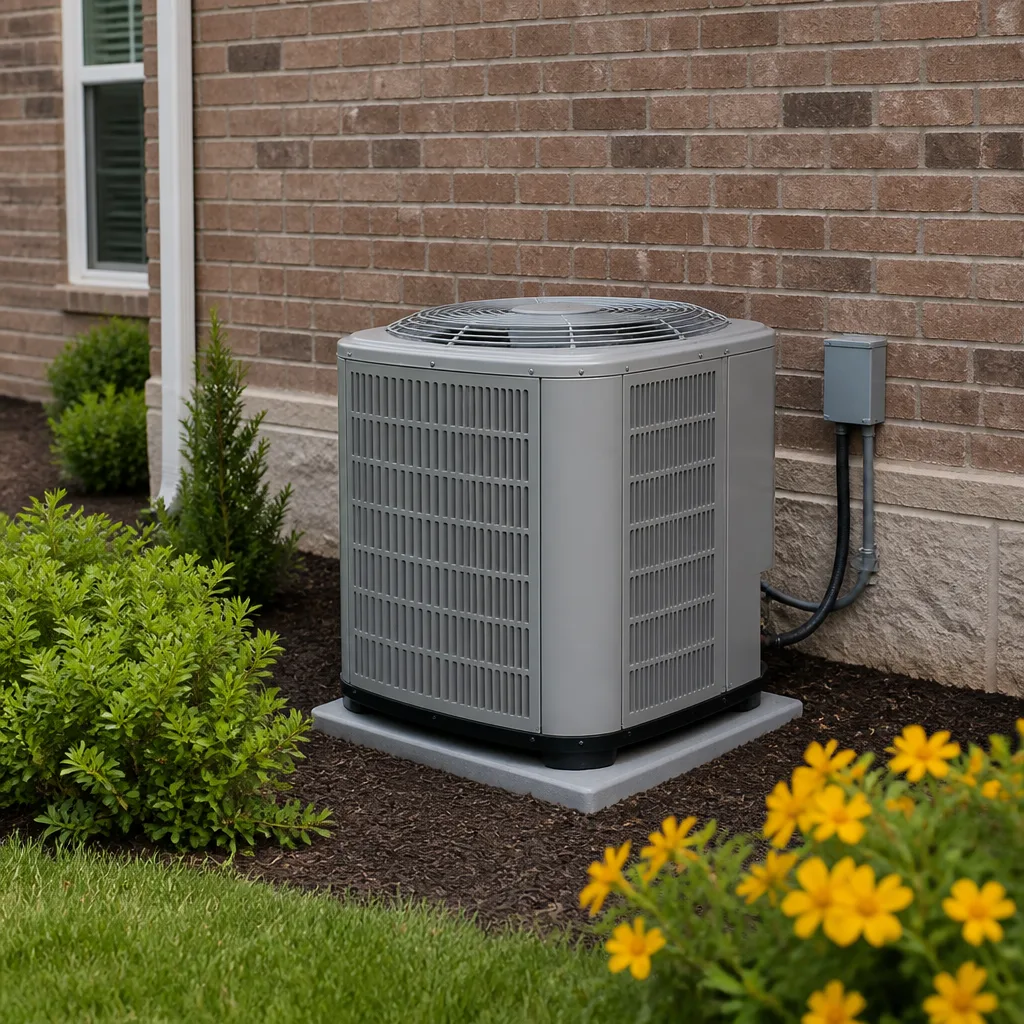 Carrier
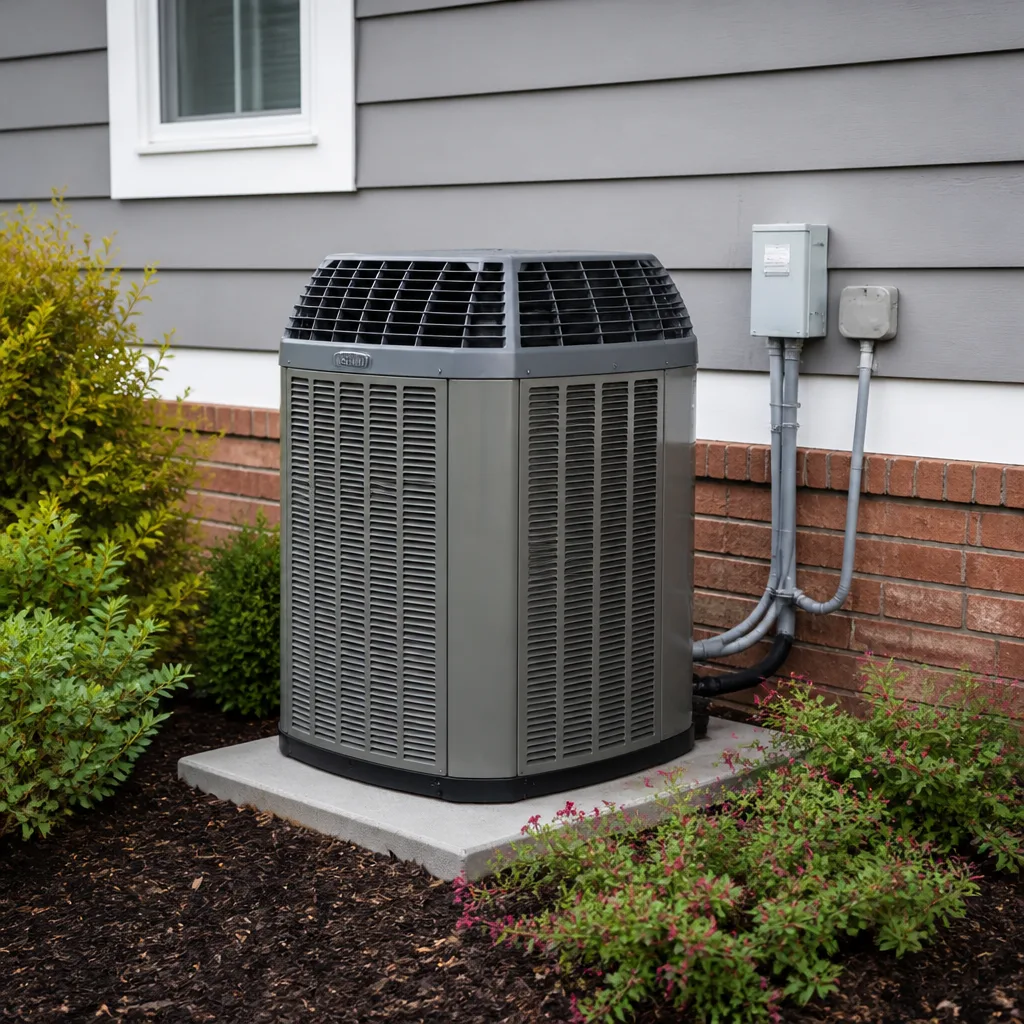 Trane
Trane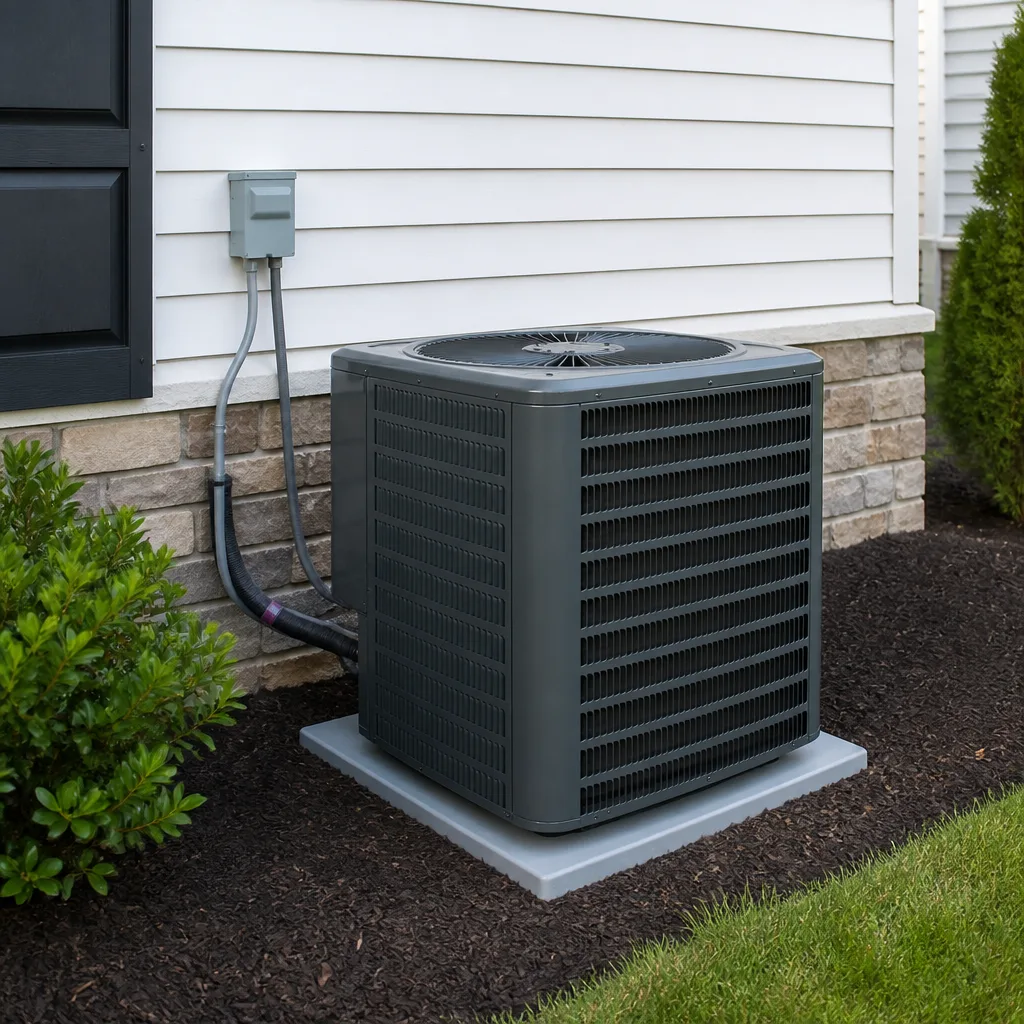 Goodman
Seasonal tune-up and full diagnostic on your Carrier, Trane, or Goodman system - readings shown to you before any repair is proposed
Diagnosis first, numbers second - you approve the repair price before a single part goes in.
Get your free estimateDIY vs Professional HVAC: The Sacramento Homeowner’s Decision Guide
Replacing an HVAC air filter is a legitimate DIY task. Topping off refrigerant is not, and the difference comes down to a federal regulation most YouTube tutorials conveniently skip. In Sacramento, where summer temperatures routinely push past 100°F for consecutive days, the line between these two tasks is sharper than almost any DIY guide admits. This guide will walk you through exactly which HVAC tasks a Sacramento homeowner can legally and safely handle, which ones require a California C-20 licensed contractor, and why the timing of a DIY attempt matters as much as the task itself. For related reading, see our step-by-step guide to hiring an HVAC contractor in Sacramento. By the end, you’ll have a task-by-task matrix, a clear understanding of the EPA 608 refrigerant rule, and a realistic picture of what a failed DIY repair actually costs.
Quick Answer
Sacramento homeowners can safely and legally handle air filter replacement, thermostat battery changes, condenser coil clearance, and register cleaning themselves. Anything involving refrigerant, gas lines, electrical wiring beyond a basic thermostat swap, or heat exchanger work requires a California C-20 licensed contractor, and refrigerant handling specifically requires EPA Section 608 certification. The real question isn’t just whether you can do a task, but whether a mistake on a 105°F Sacramento August day is a risk worth taking when the same mistake in October would be an inconvenience.
Styles & brands we work with
Table of Contents
- What Sacramento Homeowners Can Safely Do Themselves
- What Requires a Licensed Contractor Under California Law
- The EPA 608 Refrigerant Rule Explained Plainly
- Why Timing Changes the Risk Profile of a DIY Attempt
- The Hidden Cost of a Failed DIY Repair
- What to Document Before Any Repair, DIY or Professional
- DIY vs Professional Task Matrix for Sacramento
- How to Choose a Sacramento HVAC Contractor
What Sacramento Homeowners Can Safely Do Themselves
We’re not here to tell you that every HVAC task requires a phone call. Some maintenance work is squarely within a homeowner’s reach, and doing it consistently will extend the life of your system and keep your energy bills lower during Sacramento’s long cooling season. The key distinction is that these tasks are non-invasive: they don’t involve opening sealed systems, touching electrical connections, or working with gas lines.
Air Filter Replacement
This is the single most impactful DIY task you can do, and it’s one we recommend every Sacramento homeowner handle themselves. During wildfire season or the dusty spring months when pollen counts spike across the Sacramento Valley, filters load up faster than the standard 90-day guidance suggests. A clogged filter forces your blower motor to work harder, which raises your energy use and shortens the life of the motor itself. Check your filter monthly from May through October, and replace it when it’s visibly gray or you can’t see light through it. Write the date on the filter frame with a permanent marker when you install it, so you’ll know exactly how long it’s been in service. Never run a system without a filter, even for a day, because the evaporator coil will collect that dust directly and a coated coil is a much more expensive problem than a $15 filter.
Thermostat Battery Replacement
If your thermostat has a blank screen and a swinging panel or a slot on the side, there’s a battery inside that probably died. Most models use AA or AAA batteries. Pop the faceplate off, swap the batteries, and the display should return. This is a true nothing-to-it task. If your thermostat is hardwired with no battery and the screen is blank, stop there and call a professional, because a dead hardwired unit usually points to an electrical issue, not a battery.
Condenser Coil Clearance
Your outdoor unit needs breathing room. In Sacramento neighborhoods where fences, hedges, and stored patio furniture crowd the side yard, the condenser often doesn’t get the airflow it needs. Take a walk around the outside unit and clear anything within at least two feet on all sides. Pull weeds, trim back ornamental grass, move the bikes and the recycling bins. Rinse the coil fins gently with a garden hose on a soft spray setting, never a pressure washer, from the top down. Do this at the start of the cooling season and again after any windstorm that blows debris through the neighborhood. A coil that can’t reject heat on a 107°F day in Natomas or Elk Grove will drive up your cooling bill and strain the compressor.
Register and Vent Cleaning
Your supply registers and return grilles collect dust, pet hair, and the fine particulate that settles out of Sacramento’s air. Remove the register covers, vacuum the visible duct opening as far as you can reach, wipe the covers with a damp cloth, and replace them. This isn’t a substitute for professional duct cleaning when it’s needed, but it’s a legitimate monthly task that keeps air moving more freely. If you see mold growth or evidence of pests inside the duct, stop and call a professional with the right equipment.
What Requires a Licensed Contractor Under California Law
California Contractors State License Board regulations draw a hard line, and it’s worth knowing where that line sits-along with HVAC permits, codes & inspections in CA-before you watch a tutorial that encourages you to cross it. The C-20 license is the warm-air heating, ventilating, and air conditioning classification, and it’s required for any work that involves installing, modifying, or repairing HVAC systems when the work is valued at $500 or more in combined labor and materials. That dollar figure is lower than most people assume, and it doesn’t apply per-task, it applies per-project, so multiple small fixes that cross the threshold together trigger the requirement. Below that threshold, a homeowner can legally do work on their own single-family residence, but certain sub-tasks are regulated regardless of dollar value.
Refrigerant Work
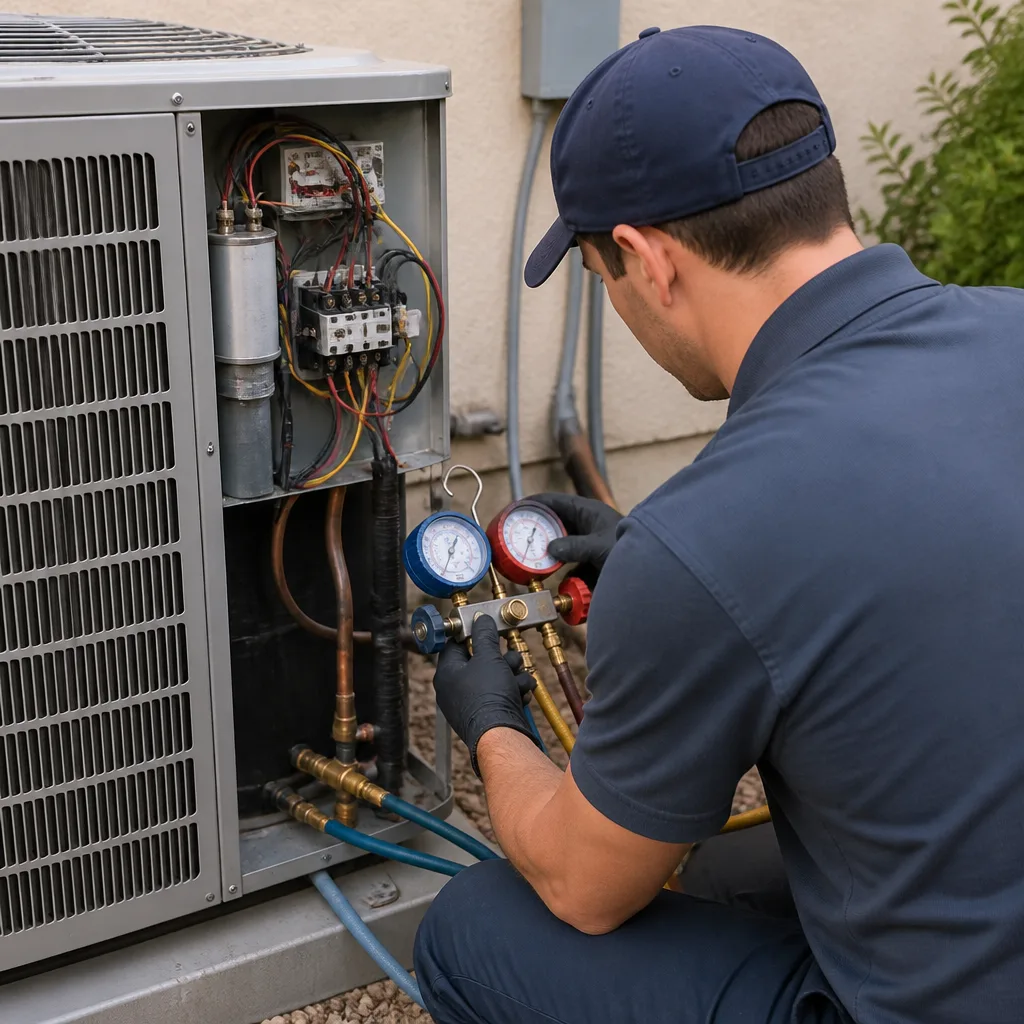
Refrigerant handling is federally regulated under EPA Section 608, which requires certification to purchase or handle refrigerants in any quantity. That certification doesn’t belong to a company, it belongs to an individual technician. When you hire a licensed contractor for refrigerant work, you’re hiring a company whose technicians hold individual EPA 608 cards. More on this below.
Gas Furnace Work
Any work involving the gas valve, manifold, burners, or heat exchanger of a furnace falls outside the DIY category, both legally and practically. California’s Title 24 energy standards and local building codes govern furnace installation and major repair, and work done without a permit can surface during a home sale inspection. Beyond the code concern, a gas leak or a cracked heat exchanger is a carbon monoxide risk. The dangerous part is that carbon monoxide is odorless and invisible, and a homeowner who doesn’t own a calibrated combustion analyzer has no way to verify that a repair didn’t create a CO problem.
Electrical Connections
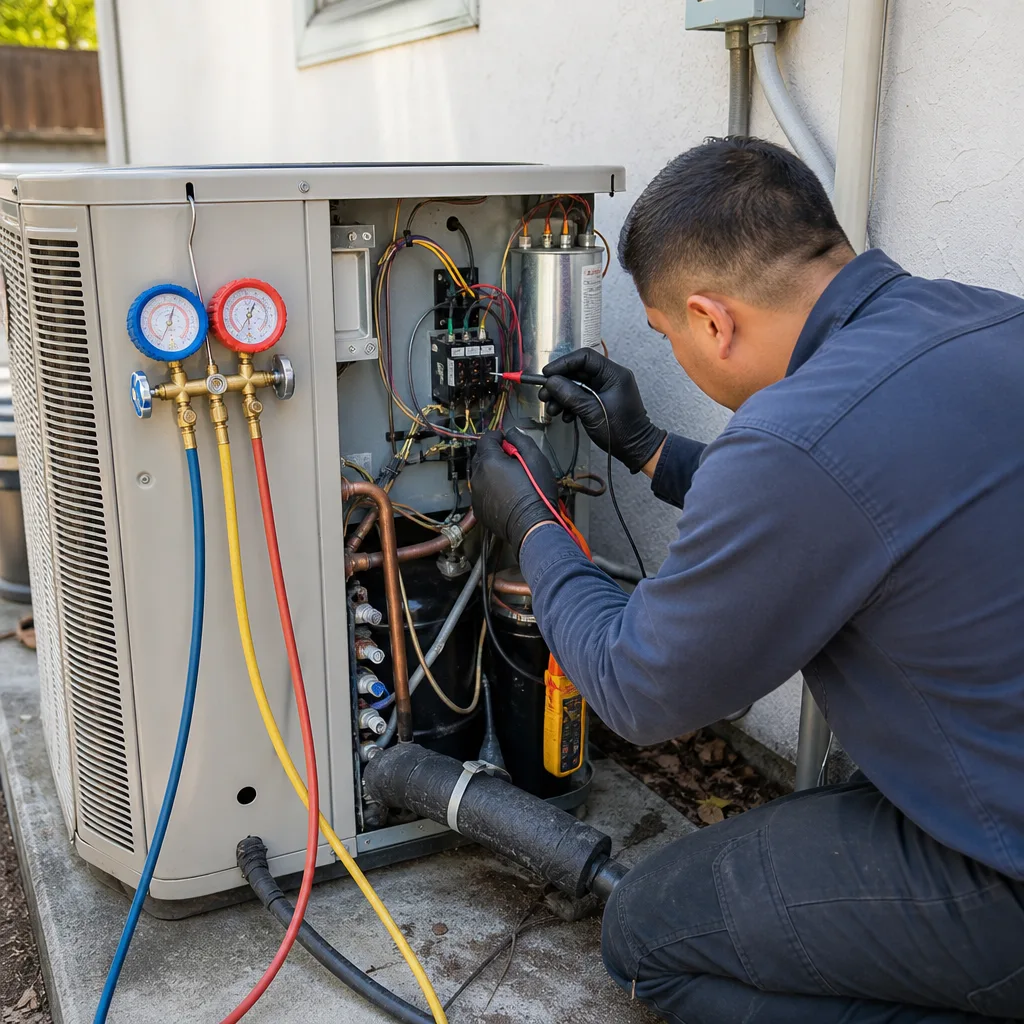
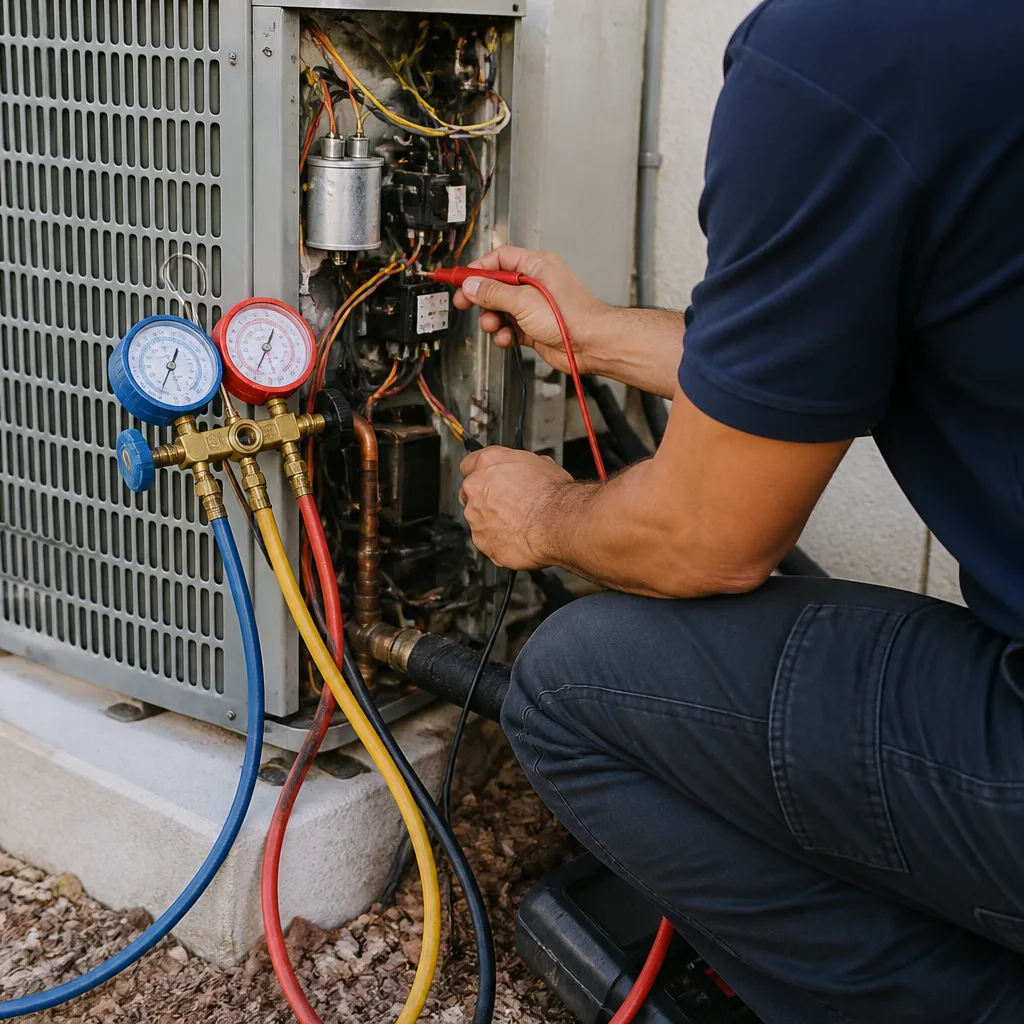
Thermostat battery replacement is DIY. Rewiring a thermostat, running new low-voltage wire, or touching the high-voltage connections inside an air handler is not. The capacitor inside your outdoor condenser stores enough charge to injure you even when the disconnect is off. A licensed technician knows to discharge it safely and to verify the circuit is dead before working. A homeowner who follows a wiring diagram without understanding how to test for voltage is gambling on a hospital visit versus a working AC.
The EPA 608 Refrigerant Rule Explained Plainly
EPA Section 608 of the Clean Air Act is the federal rule that governs who can buy and handle refrigerants, and it has teeth. The regulation exists because refrigerants, when released into the atmosphere, damage the ozone layer and contribute to climate change. The EPA enforces Section 608 through fines that have climbed significantly in recent years, including penalties for individuals, not just companies. Here’s what it means in plain terms for a Sacramento homeowner.
You Cannot Legally Buy Refrigerant Without a Section 608 Card
The cans of R-410A or R-32 you might see for sale online are sold to certified technicians, and obtaining them without a 608 certification is a federal violation. Some sellers ship them anyway with a checkbox acknowledgment, but a homeowner who purchases and uses them is still liable. The EPA has pursued enforcement actions against both unauthorized sellers and unauthorized buyers. The YouTube tutorial that shows a homeowner “topping off” their AC skips this detail because the video’s creator either doesn’t know it or doesn’t care about the liability that rests on the viewer.
Why Topping Off a Leaking System Is Money Sunk Into a Leak
Refrigerant doesn’t get used up the way gas gets burned or oil gets consumed. It circulates in a sealed loop. If your system is low, it’s leaking, and adding refrigerant without finding and repairing the leak means you’ve paid to temporarily restore cooling while the refrigerant continues to escape. In Sacramento, where cooling season runs from May through October, a slow leak that gets “topped off” in June will be low again by August, right when the heat peaks. The fix that seems cheaper in the short run is actually the most expensive version of the repair, because you’ll pay for the refrigerant twice and the leak repair once, when doing the leak repair first would have been a single cost.
What About Warranties
Equipment manufacturers like Daikin and American Standard include warranty language that voids coverage when the system has been serviced by someone without proper certification. The compressor inside your condenser is the most expensive single component in the system, and a warranty claim on a failed compressor can be denied if the manufacturer determines that unlicensed refrigerant work contributed to the failure. The money you might save on a DIY refrigerant fix is a fraction of the cost of replacing an out-of-warranty compressor.
Why Timing Changes the Risk Profile of a DIY Attempt
This is the part most DIY-versus-professional guides skip, and it’s the part that matters most in Sacramento specifically. The same mistake carries wildly different consequences depending on when you make it. A misconfigured thermostat wiring job in October is an inconvenience: you’ll be without heat on a mild fall day, and a technician can come out with no urgency. The same mistake in June, with a heat wave in the forecast and a house full of kids and pets, is a different problem entirely.
Sacramento’s Climate Is the Deciding Factor
Sacramento’s summer heat is not a mild discomfort. Consecutive days above 100°F are routine in July and August, and the overnight lows rarely dip below 70°F during the worst stretches. When an AC is down in that window, the indoor temperature climbs into the 90s within hours, and that’s a genuine health risk for young children, older adults, and pets. A DIY repair that fails mid-afternoon leaves you negotiating for emergency service at the worst possible time, when technicians are booked solid and the heat isn’t waiting for you to find someone.
The October Window
The cooling season ends, and demand for HVAC work drops. That’s the time to attempt the genuinely DIY-friendly tasks, to schedule preventive maintenance, or to have a professional handle a repair you noticed in the summer but deferred. A repair scheduled in October is a repair done at your pace, with parts available and no emergency-rate pressure. The identical repair scheduled in July is often a same-day scramble. Sacramento homeowners who understand this timing dynamic plan their HVAC work the way they plan their wildfire-season prep: ahead of the problem, not during it.
What This Means in Practice
If you’re going to attempt a DIY thermostat replacement, do it in the shoulder season, and test the system thoroughly when outdoor temperatures are moderate. If the cooling fails in the middle of a heat wave, that is not the time to experiment. That is the time to call someone who has done it a thousand times. Our AC Repair in Sacramento team sees this pattern every summer: a homeowner takes on a repair in July, it goes sideways, and the fix ends up costing more than the original repair would have because the failed attempt created a second problem.
The Hidden Cost of a Failed DIY Repair
The visible cost of a DIY repair is whatever you spend on parts and tools. The hidden costs are the ones that don’t show up on a receipt, and they’re the reason a “money-saving” DIY job can end up more expensive than hiring a professional from the start. Here’s what a failed attempt actually costs a Sacramento homeowner.
Diagnostic Time to Undo the Work
When a technician arrives to fix a system after a DIY attempt, the first job is figuring out what was changed, what was damaged, and what the original problem was. That’s not a criticism of the homeowner, it’s simply what has to happen. Wiring that was connected incorrectly has to be traced. Seals that were opened have to be inspected. A capacitor that was replaced with the wrong spec has to be pulled and replaced again. Every minute the technician spends untangling the previous attempt is a minute you’re paying for, and it’s often a longer diagnostic than the original problem would have needed.
Voided Equipment Warranty
We mentioned this in the refrigerant section, but it applies more broadly. Equipment warranties from brands like York and Bryant are written to cover defects in materials and workmanship when the system has been installed and serviced per the manufacturer’s guidelines. A repair performed by an unlicensed person, or a modification that deviates from the installation manual, gives the manufacturer a basis to deny a claim. If that compressor fails next summer and the manufacturer sees evidence of DIY refrigerant work, the replacement cost is on you. A compressor replacement can run anywhere from $1,800 to $3,500 depending on the system, which is a steep bill for a $40 DIY attempt.
Permit and Inspection Implications
Sacramento County and the city of Sacramento require permits for certain HVAC work, including new installations and some major repairs. If unpermitted work is discovered during a future home inspection, whether it’s routine maintenance or a buyer’s inspection as part of a sale, the homeowner can be required to bring the work to code before the deal closes. That means paying for the repair twice: once for the original DIY attempt, and once for the licensed contractor who has to correct it. In the worst case, the unpermitted work becomes a disclosure issue that complicates the sale entirely.
The Emergency-Rate Penalty
Here’s the cost nobody budgets for. You attempt a repair on a Saturday in July, the system is still down on Sunday, and the house is 92°F by Monday. Now you’re calling for emergency service in the middle of peak cooling season, when every HVAC company in Sacramento is booked. Emergency service calls cost more than scheduled visits, and you’ve leveraged yourself into the emergency tier. The same repair, scheduled by a professional two weeks earlier, would have been a standard service call.
What to Document Before Any Repair, DIY or Professional
Whether you’re doing the work yourself or hiring a contractor, a baseline record of your system protects you. This is a step almost no one takes, and it’s the single most useful thing you can do before any HVAC work begins. If a dispute arises later, which system was already damaged, whether the technician left the work area clean, or what the system looked like before the work started, you’ll have the answer in photos and notes rather than a word-versus-word argument.
Step-by-Step: The Pre-Repair Documentation Checklist
- Photograph the equipment from multiple angles. Capture the outdoor condenser, the indoor air handler or furnace, the thermostat, and the surrounding area. These are your “before” images.
- Photograph the serial plates and model plates on both the indoor and outdoor units. This gives you a permanent record of the exact equipment you own, which matters for warranty claims and parts ordering.
- Note the current operating behavior. Walk through the house and write down anything unusual: a room that runs warm, a noise the system makes on startup, a smell that appears when the heat turns on. This is the symptom list that will guide any repair.
- Document the area around the equipment. If there’s a scratch on the wall, a bent coil fin, or a stain on the floor, photograph it before anyone works, so you can tell what predates the visit.
- Record the date, the work you plan to do or have done, and keep the receipt for any parts you buy. If you hire a professional, ask for the written price and the scope of work before anything starts, and keep a copy.
This takes ten minutes, and it’s the difference between a clean resolution and a frustrating dispute. At Meadowsweet Heating and Air Sacramento, we send a photo of the clean-up before our crew leaves every job, which pairs with your own pre-work documentation to create a complete record. That’s part of our Meadowsweet Heating and Air Sacramento home standard, and it’s a practice we recommend to every homeowner regardless of who does the work.
DIY vs Professional Task Matrix for Sacramento
Here’s the full matrix, in one place, for reference. This is the list to bookmark.
Safe and Smart DIY Tasks
- Air filter replacement: Monthly checks from May through October, replace when gray or clogged. No tools required beyond your hands.
- Thermostat battery replacement: AA or AAA batteries in a swing-panel faceplate. Five minutes, no risk.
- Condenser clearance: Trim vegetation, move stored items, rinse coil fins with a garden hose on soft spray. One to two feet of clearance on all sides.
- Register and grille cleaning: Vacuum, wipe, replace. Monthly task with no downside.
- Circuit breaker reset: If the system is dead, check the breaker panel before calling. One reset is fine; repeated trips mean call a professional.
Professional-Only Tasks Under California Law
- Refrigerant leak detection and repair: EPA 608 certification required. No homeowner exception.
- Refrigerant recharge or evacuation: Same certification requirement, and it’s a sealed-system job.
- Gas valve, burner, manifold, or heat exchanger work: C-20 license required, carbon monoxide risk.
- Compressor replacement: Refrigerant handling plus high-voltage electrical work. Two regulated tasks in one job.
- Thermostat rewiring or any low-voltage wire work: Electrical skill matters, and wrong wiring can damage the control board.
- Duct modification or sealing beyond register level: Requires specialized equipment and knowledge of airflow design.
- New system installation: Permits, load calculation, refrigerant charging, electrical, and gas connections. This is the most regulated category of HVAC work.
How to Choose a Sacramento HVAC Contractor
When a task falls on the professional side of the matrix, the next decision is who to call. There are plenty of HVAC companies in Sacramento, and they don’t all operate the same way. For more guides & resources on choosing wisely, keep reading. Here’s what to look for, based on the questions that actually matter when someone is working in your home around your kids and your pets.
The Questions That Should Be Non-Negotiable
Will I get a written price before the work starts? The answer should be yes, every time, on every job. A contractor who quotes a price over the phone and then adjusts it after they arrive hasn’t given you a price, they’ve given you an estimate of the estimate. Are the technicians background-checked and uniformed? This matters because you’re inviting a stranger into your home. A company that runs background checks and dresses its technicians in a branded uniform is signaling that it’s accountable for who it sends. What happens to my floors and my air while the work is being done? A contractor who doesn’t bring shoe covers and drop cloths as a standard practice will leave your floors showing the visit. The AC Installation in Sacramento work we do always includes shoe covers and drop cloths, plus a photo of the clean-up before the crew leaves, because the house is the proof of the job.
Written Price Before Any Work Starts
Luis Serrano, owner at Meadowsweet Heating and Air Sacramento, has built the company around one practice that eliminates almost every HVAC horror story: a written price before any work starts, on every visit, every time. That means the price is in writing on the table before a tool is picked up. If the job changes scope, the price conversation happens before the new work begins, not after. There’s no version of the “surprise bill” in that system, and families can actually plan for the cost of a repair instead of bracing for it.
The 365-Day Guarantee
Every job we do is backed by the 365-Day Done Right Promise: if something isn’t done right, we make it right, no runarounds, no fine print. That’s a calendar year of accountability on every repair and installation, and it’s the reason we’ve structured our Furnace Repair in Sacramento service the same way. A warranty is a piece of paper; this is a promise we act on. We service equipment from nine leading brands, including American Standard and Bryant, so the promise applies regardless of what’s on the side of your condenser.
Common Mistakes to Avoid
- Watching a video and skipping the certification details. The EPA 608 requirement is not a technicality, it’s a federal rule with real enforcement, and a tutorial that doesn’t mention it is leaving out the part that makes the difference between a legal repair and a violation.
- Assuming “low refrigerant” is the problem without a diagnosis. Low refrigerant is a symptom of a leak, and adding refrigerant without finding the leak is paying to delay the same repair you’ll eventually need. This is one of the most common mistakes we see on systems that were “fixed” by a well-meaning neighbor.
- Attempting a first-time DIY repair during a Sacramento heat wave. The time to learn a new skill is not on a 105°F day when the house is heating up faster than the tutorial can load. Put the repair off until the shoulder season, or call a professional.
- Skipping the pre-repair documentation. Ten minutes of photos before the work starts is the cheapest insurance you’ll ever buy. No one plans for a dispute, but the homeowners who document their system are the ones who resolve disputes cleanly.
- Running a system without a filter while waiting for a replacement. The evaporator coil is a dust magnet, and a day or two of unfiltered operation coats it with particulate that reduces efficiency and shortens its life. The filter is the cheapest component in the system, and it protects the most expensive ones.
- Ignoring the permitting question on major work. Unpermitted work becomes the next homeowner’s problem when you sell, which means it becomes your problem during negotiations. Permits exist to verify the work was done to code, and skipping them is a trade with a long tail.
- Choosing a contractor based on the lowest price alone. The cheapest quote often comes with a scope that’s missing something, and the missing part is where the final bill grows. Ask about the written price, the background checks, and the guarantee, and compare companies on all three, not just the number.
See the difference
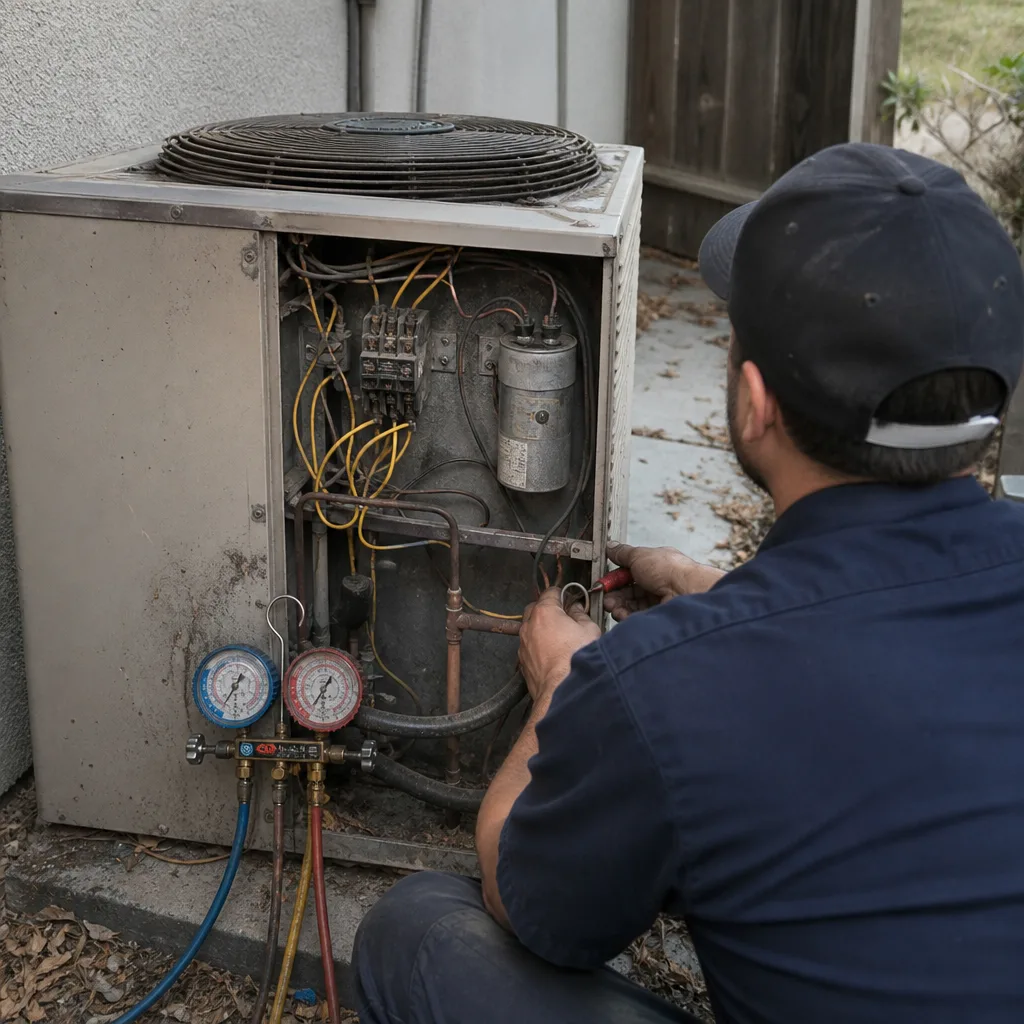 Before
 After
After Before
 After
After Before
 After
AfterWhen to Call a Professional
Call a professional when the task involves refrigerant, gas, high-voltage electrical, or any sealed-system component. Call a professional if your system is down during a Sacramento heat wave and the house is heating up. Call a professional if your DIY attempt didn’t fix the problem and you’re not sure what changed. Call a professional if your equipment is still under warranty and you don’t want a DIY attempt to void it. Meadowsweet Heating and Air Sacramento offers free estimates in Sacramento, and a live person answers the phone 24 hours a day, 7 days a week. Call (279) 263-8708 and we’ll give you a written price before any work starts, no exceptions.
Frequently Asked Questions
No. Federal EPA Section 608 regulations require individual certification to purchase or handle refrigerants, and that requirement applies in every state including California. A homeowner who buys refrigerant without a 608 card is in violation of federal law, and a homeowner who adds refrigerant to a leaking system has paid to delay a repair while the leak continues.
Air filter replacement, thermostat battery changes, condenser coil clearance, register cleaning, and circuit breaker resets are all safe and legal for a Sacramento homeowner. These tasks don’t involve sealed systems, gas lines, or electrical connections beyond a battery swap, and they’re the highest-value DIY maintenance you can do without running afoul of licensing or environmental rules.
New system installations and some major repairs require permits from the city of Sacramento or Sacramento County, depending on your jurisdiction. Permits are not required for routine maintenance like filter changes or coil cleaning. If you’re unsure whether your planned work requires a permit, a licensed C-20 contractor can tell you before the work begins.
A failed DIY repair adds diagnostic time to undo the work, can void the equipment warranty if the manufacturer finds improper service, and can trigger unpermitted work issues during a future home inspection. The most common hidden cost in Sacramento is the emergency-rate penalty: a DIY attempt that fails in July forces you into emergency service during peak season, when the same repair would have been a standard call two weeks earlier.
Review your equipment’s warranty terms. Most manufacturers, including York and Daikin, require that service be performed by licensed and certified technicians to maintain coverage. Refrigerant work in particular is a warranty-voiding event when done without EPA 608 certification.
Photograph the equipment from multiple angles, note the serial plates, document any existing scratches or damage, write down symptoms the system is showing, and keep your receipts. This baseline record protects you if a dispute arises later and gives any technician a complete picture of the system’s condition before the work begins. Call (279) 263-8708 for an exact quote on any professional repair, estimates are free.
The Bottom Line
The DIY versus professional HVAC question in Sacramento isn’t a one-size answer, but it is always specific. Filter changes, battery swaps, coil clearance, and register cleaning are yours to handle. Refrigerant, gas, high-voltage electrical, and sealed-system work belong to a licensed professional, and the EPA 608 rule leaves no gray area on refrigerant. Time your DIY attempts for the shoulder season, document your system before anyone works on it, and understand that a failed repair in August costs more than a scheduled one in October. When the task crosses the professional line, Meadowsweet Heating and Air Sacramento gives you a written price before any work starts and stands behind every job with the 365-Day Done Right Promise. Call (279) 263-8708 for a free estimate, any time, day or night.
Written by Luis Serrano, Owner at Meadowsweet Heating and Air Sacramento, serving Sacramento since 2004.