
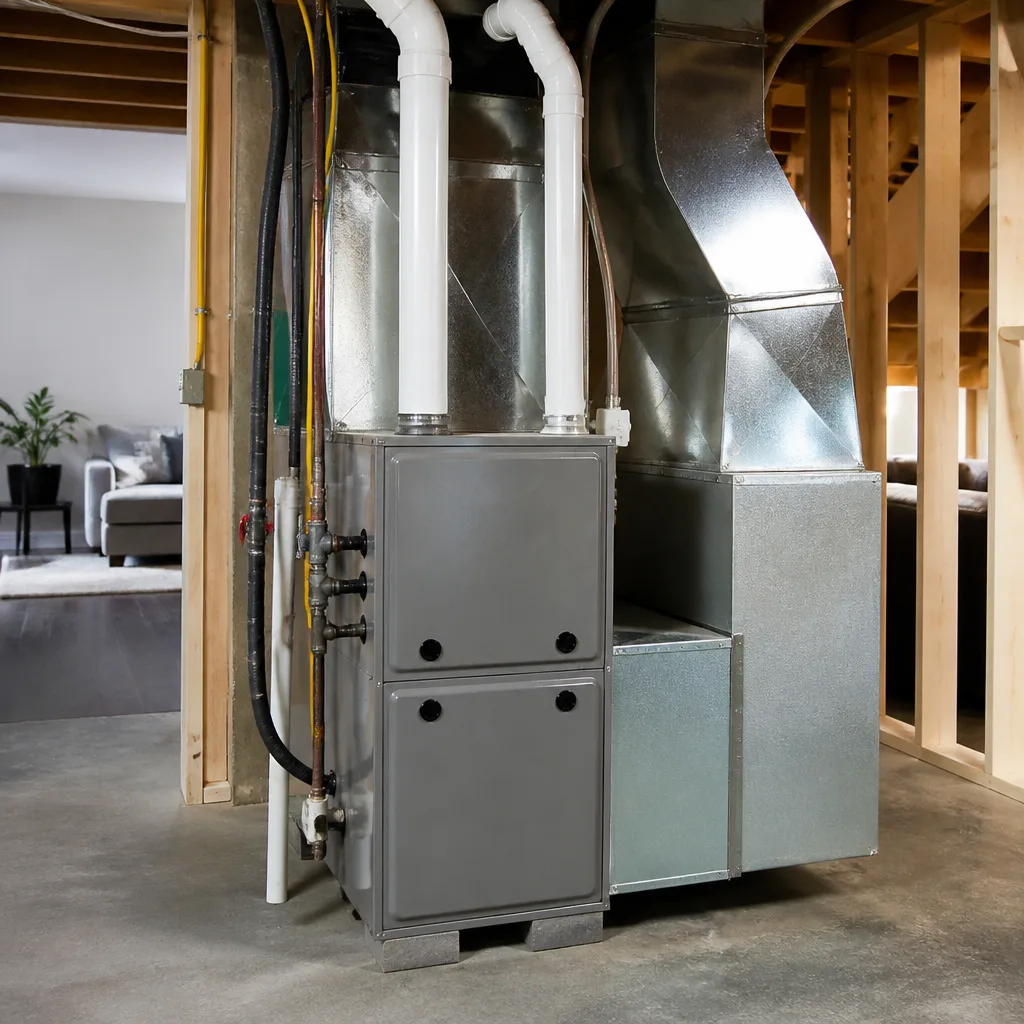
 Furnace & heating
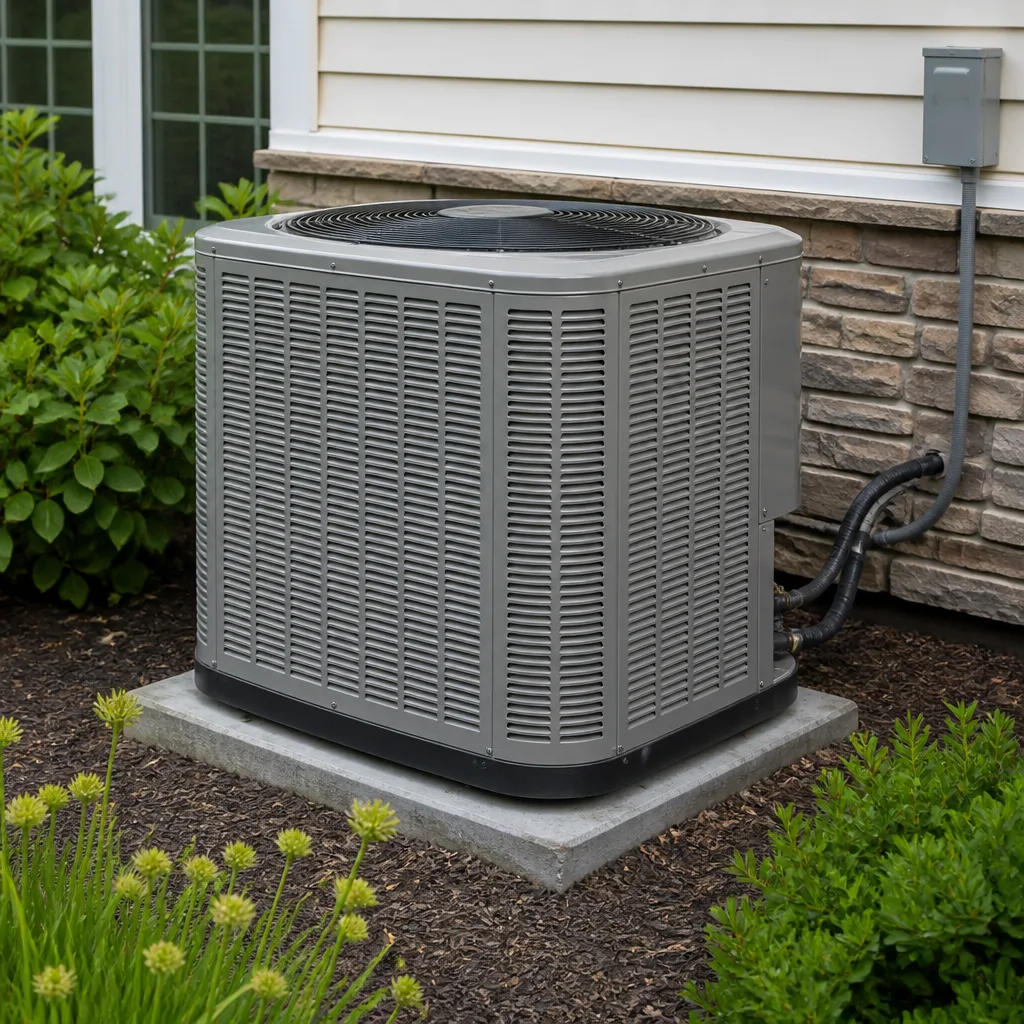 AC repair
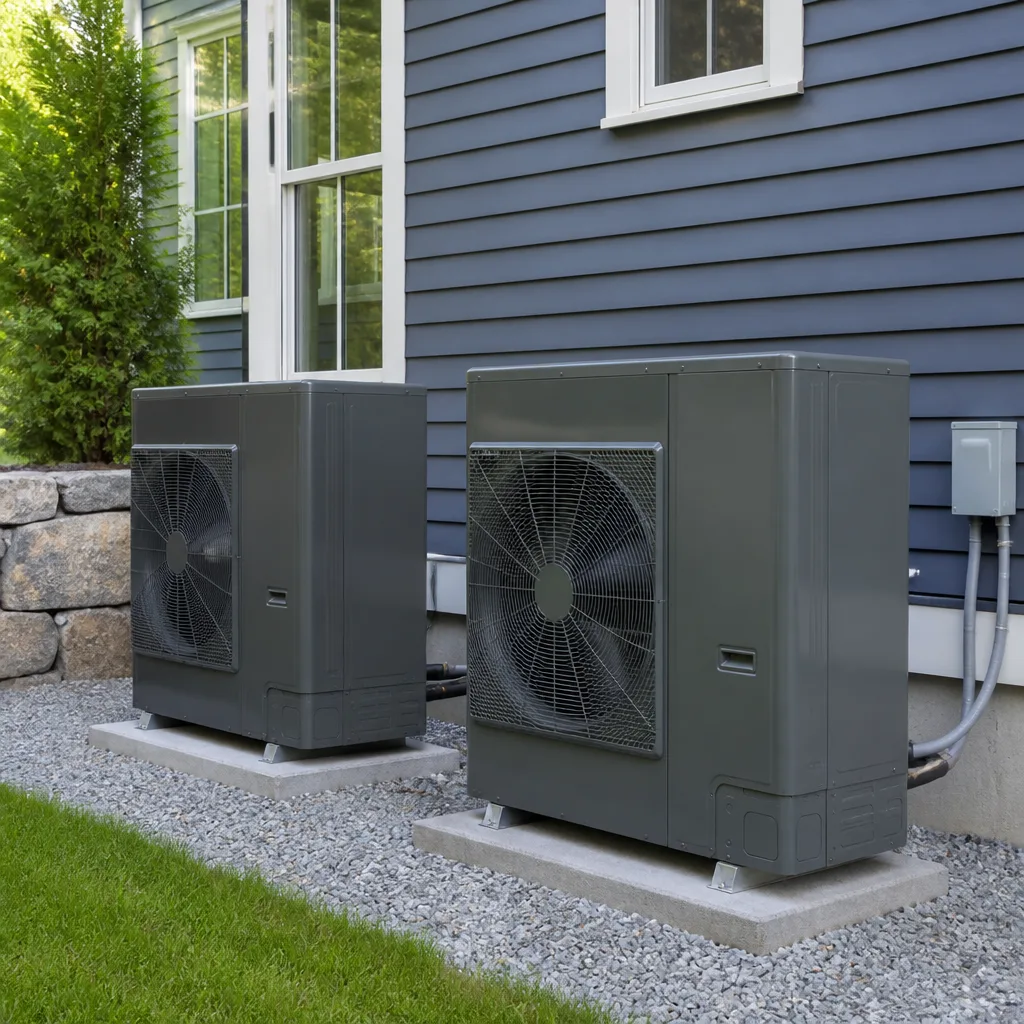 Heat pumps
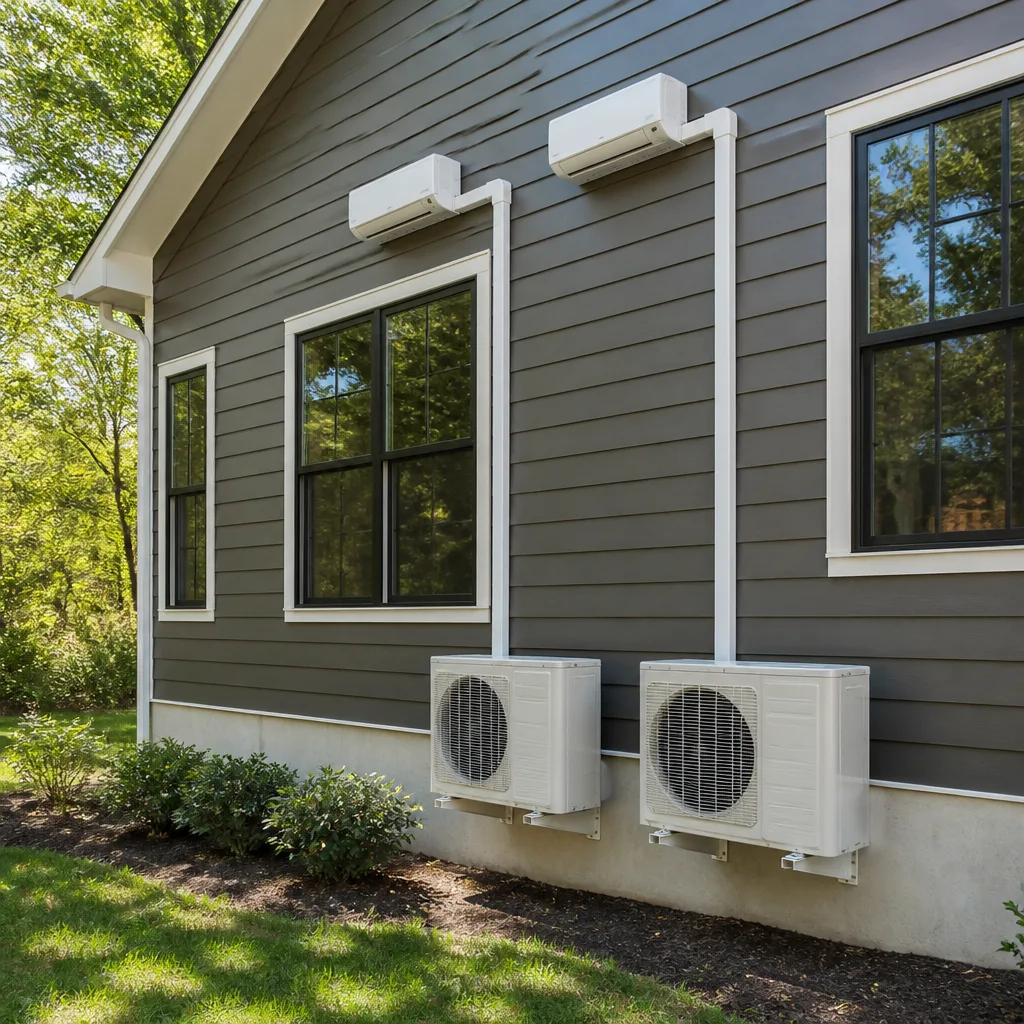 Ductless mini splits
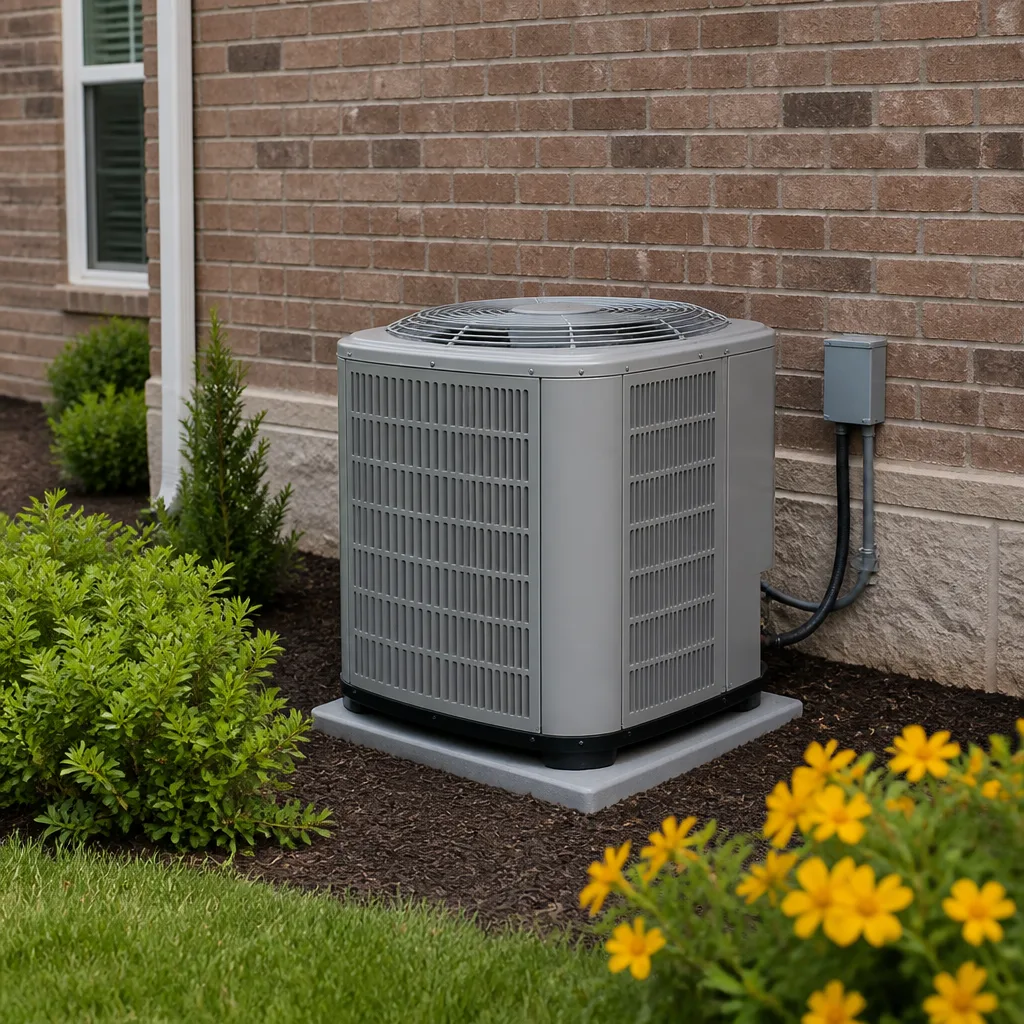 Carrier
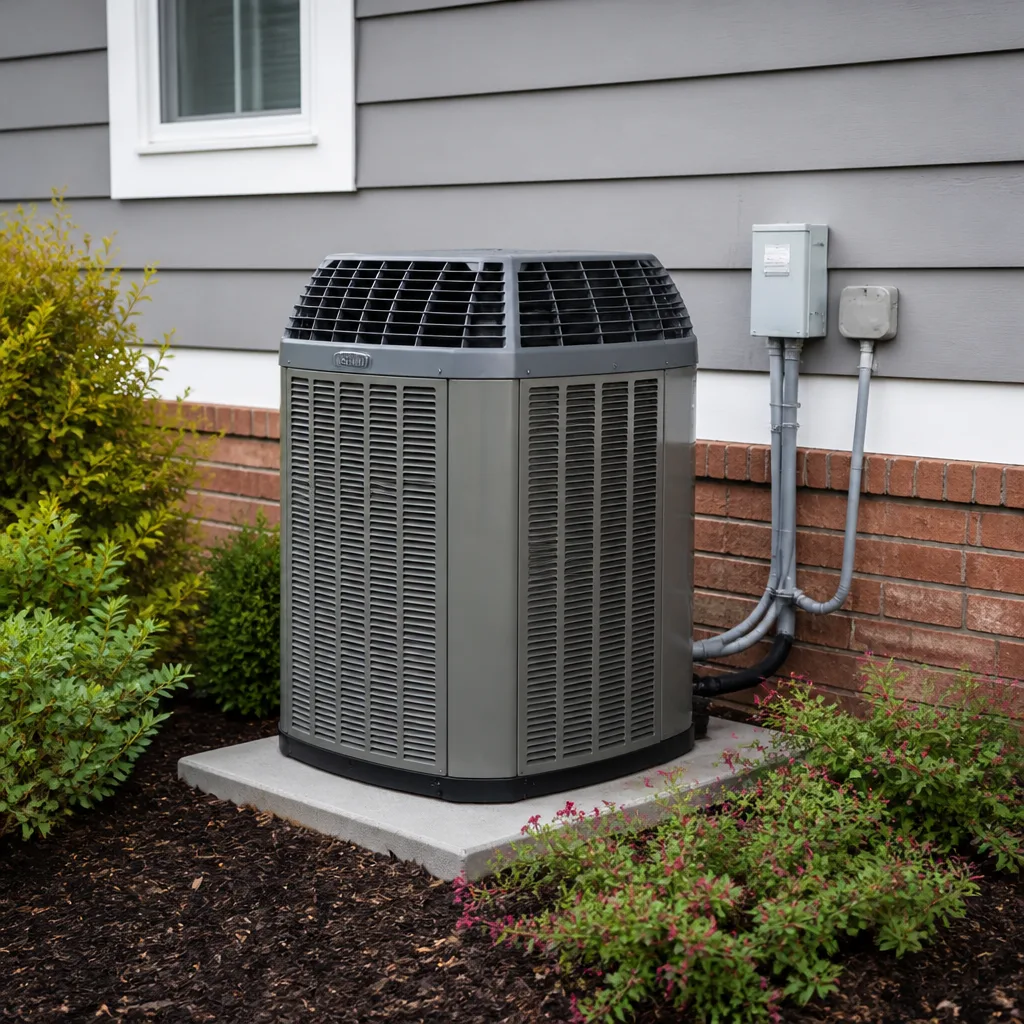 Trane
Trane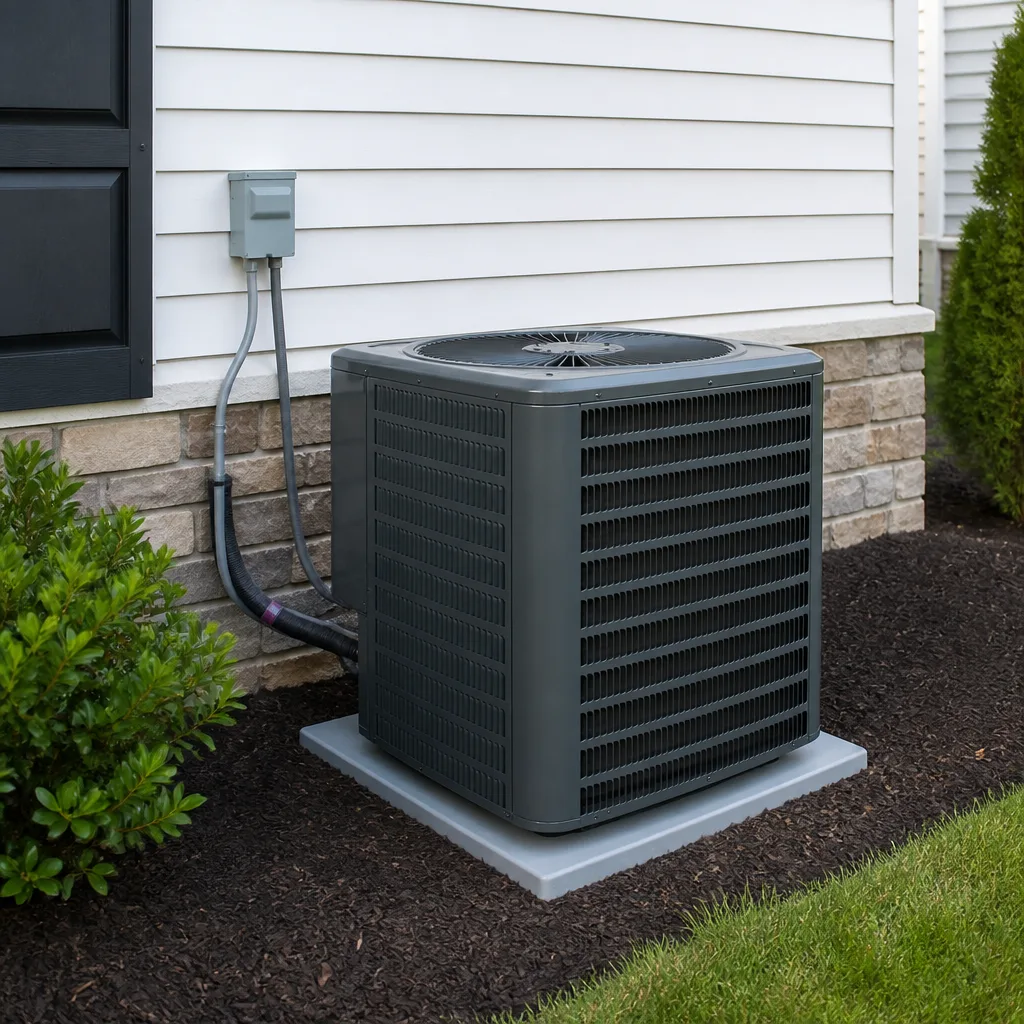 Goodman
Seasonal tune-up and full diagnostic on your Carrier, Trane, or Goodman system - readings shown to you before any repair is proposed
Diagnosis first, numbers second - you approve the repair price before a single part goes in.
Get your free estimateDaikin Capacitor Replacement: The Sacramento Owner’s Guide
Daikin capacitor replacement in Sacramento typically costs $180 – $420 installed, and we stock the most common Daikin dual-run and start capacitors on our trucks for same-day service in most cases. A capacitor is the small cylindrical part inside your condenser unit that gives the compressor and fan motor the electrical jolt they need to start turning. In Sacramento’s summer heat, capacitors fail faster than almost any other component because sustained 95°F-plus days cook the dielectric fluid inside them.
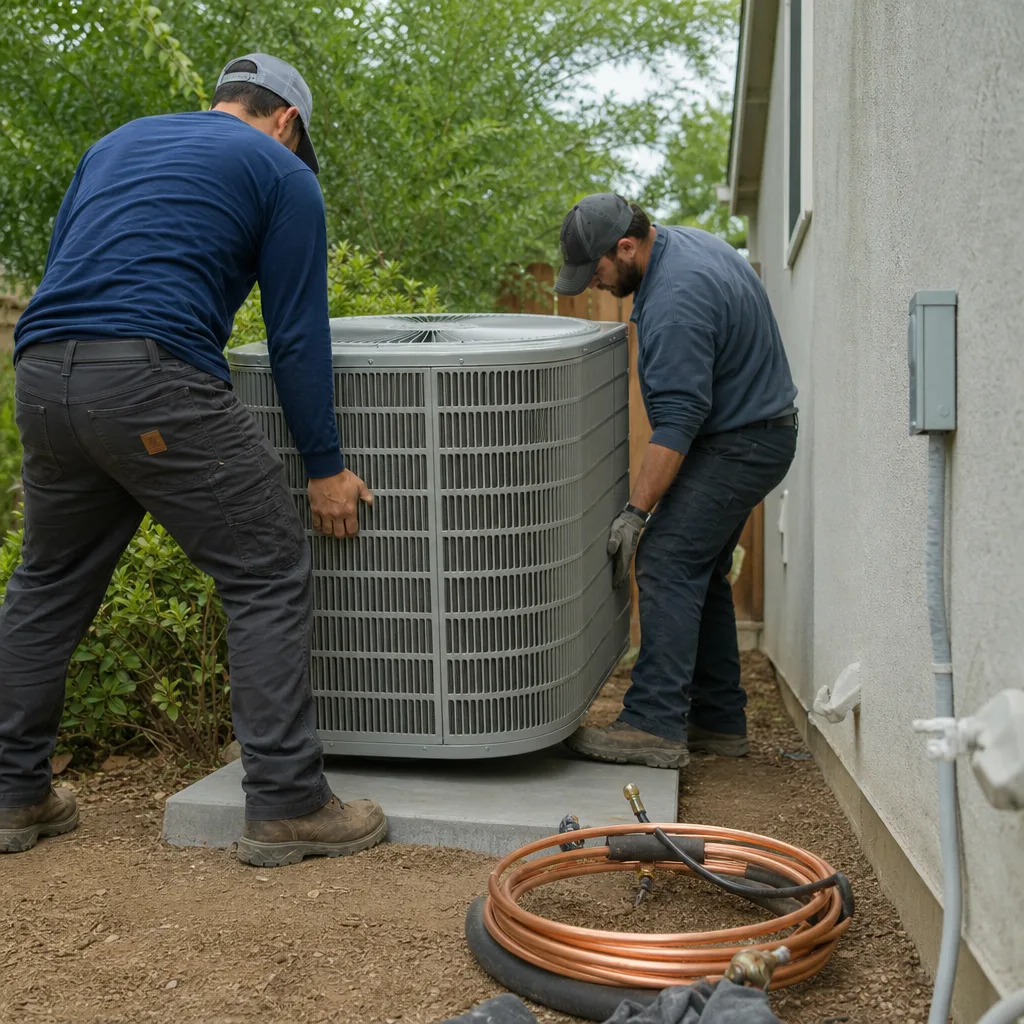
Most owners discover the problem one of two ways: the outdoor unit hums but won’t actually start, or the fan spins slowly while the air coming from the vents feels warm. Sometimes the capacitor case bulges or leaks a dark oily fluid. If you’re noticing any of that on your Daikin system, here’s what you need to know before you call.
Which Daikin Models This Applies To
We replace capacitors across Daikin’s residential lineup, including the DX and DZ series condensers, the Fit and Mini-Split lines, and the older Goodman-era units that Daikin now owns. The compatibility nuance with Daikin is this: capacitors are not one-size-fits-all. Daikin uses capacitor ratings tied to the specific compressor and fan motor on each unit, and a capacitor with the wrong microfarad (µF) rating, often 35/5, 40/5, 45/5, or 50/5 depending on tonnage, will either fail within weeks or strain the compressor until it fails permanently.
The right way to identify your part is to read the label on the old capacitor, which lists the µF rating, voltage (usually 370V or 440V), and whether it’s a dual-run or start capacitor. If the label is faded or melted, you can cross-reference the capacitor spec against the condenser model plate. On Daikin units specifically, we’ve found that the capacitor’s physical dimensions, diameter and height, matter for bracket fitment: some Daikin condensers use an oval-bodied capacitor that won’t accept a round aftermarket can without holding modification. A quality aftermarket capacitor, think Amrad or Titan HD, typically holds 5 to 8 years in Sacramento conditions. OEM Daikin capacitors run 3 to 5 years here because the factory part is simply built closer to spec limits. For most Sacramento homes, we recommend the aftermarket premium option; it costs roughly the same installed and lasts demonstrably longer in our local heat.
Styles & brands we work with
Signs Your Daikin Capacitor Replacement Is Failing
- Humming outdoor unit that won’t start. The capacitor no longer holds enough charge to kick the compressor over, so the unit tries, draws locked-rotor amperage, and sits there humming until the thermal overload protects it. This is the classic weak-capacitor presentation.
- Fan spins slowly or not at all while the compressor runs. A dual-run capacitor serves both the fan and compressor. When the fan side of the capacitor degrades, the compressor may keep running while the fan can’t get up to speed, which quickly overheats the entire condenser.
- Warm air at the vents despite the thermostat calling for cooling. If the compressor never actually starts, the system can’t move heat outdoors. You’ll hear the indoor blower running hard and feel lukewarm air.
- Bulging, cracked, or leaking capacitor case. Heat and age can swell the capacitor’s housing. A visible bulge or a dark oily leak is confirmation that the dielectric has broken down, even if the unit is still limping along today.
- Intermittent hard starting on extra-hot afternoons. Capacitors degrade progressively. Owners sometimes notice the system starts fine in the morning but struggles when the ambient temperature in Sacramento climbs past 100°F. That’s the capacitor’s capacity dropping as its internal chemistry degrades.
See the difference
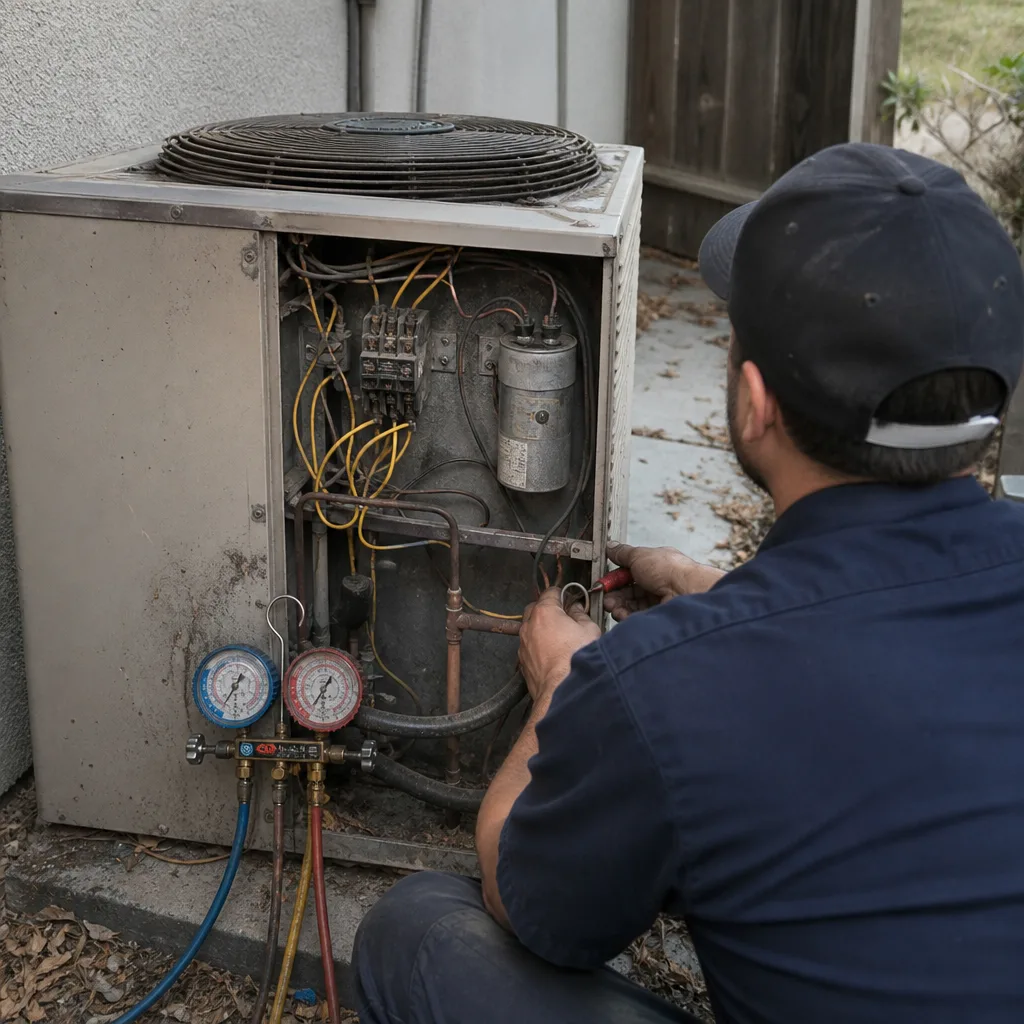 Before
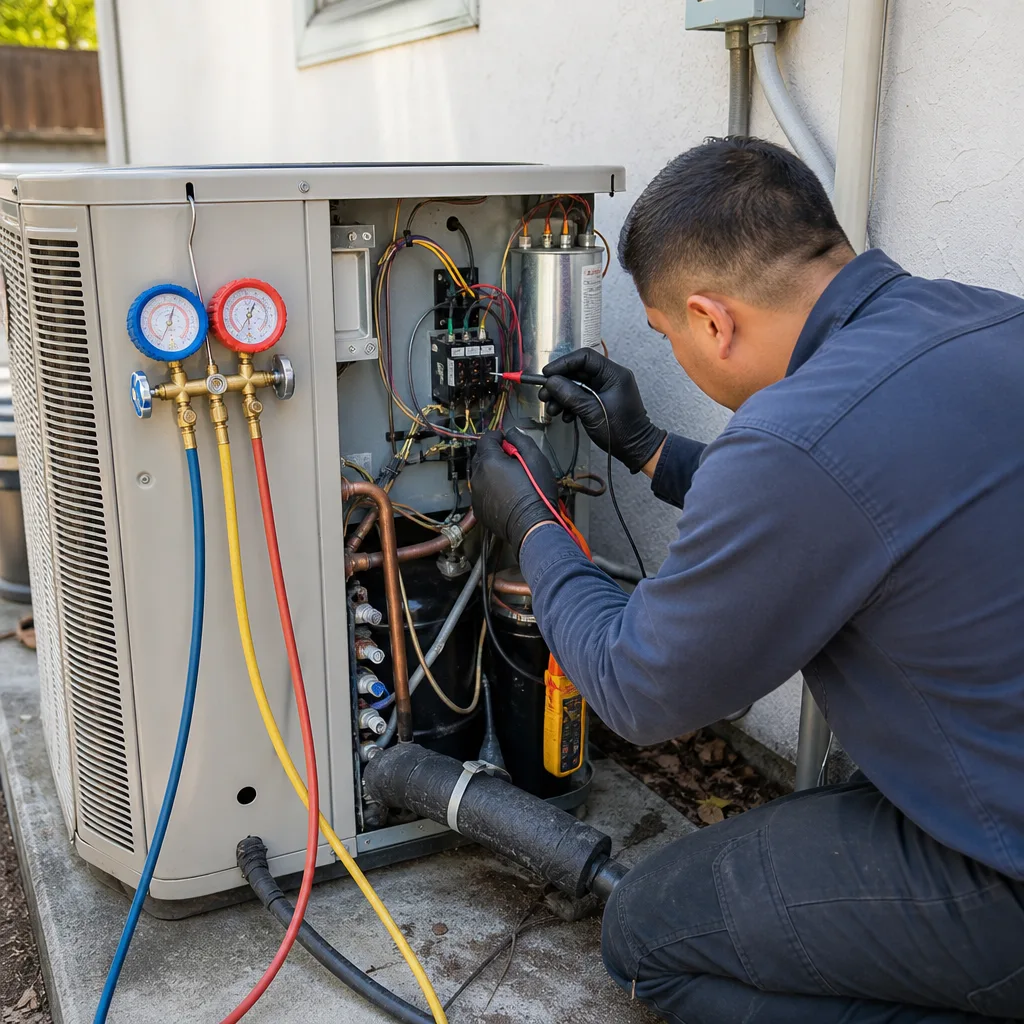 After
After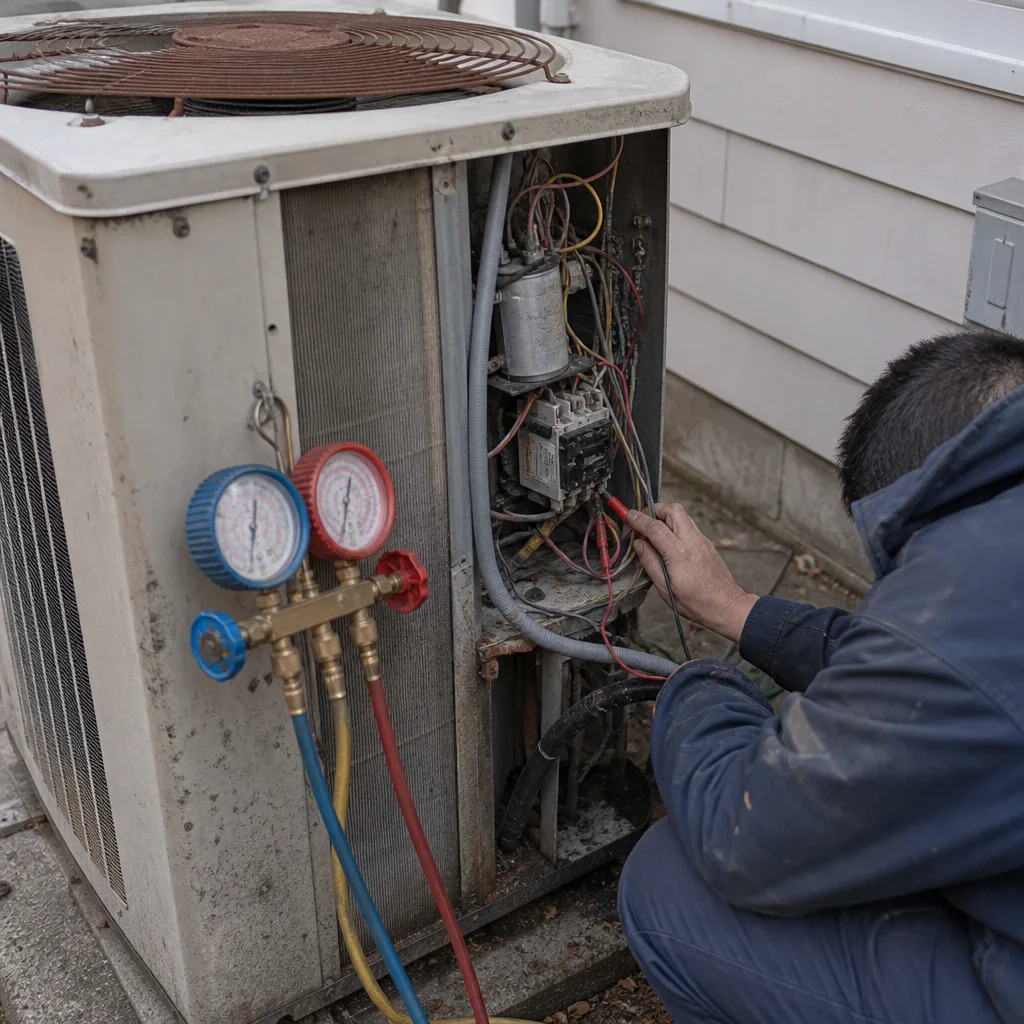 Before
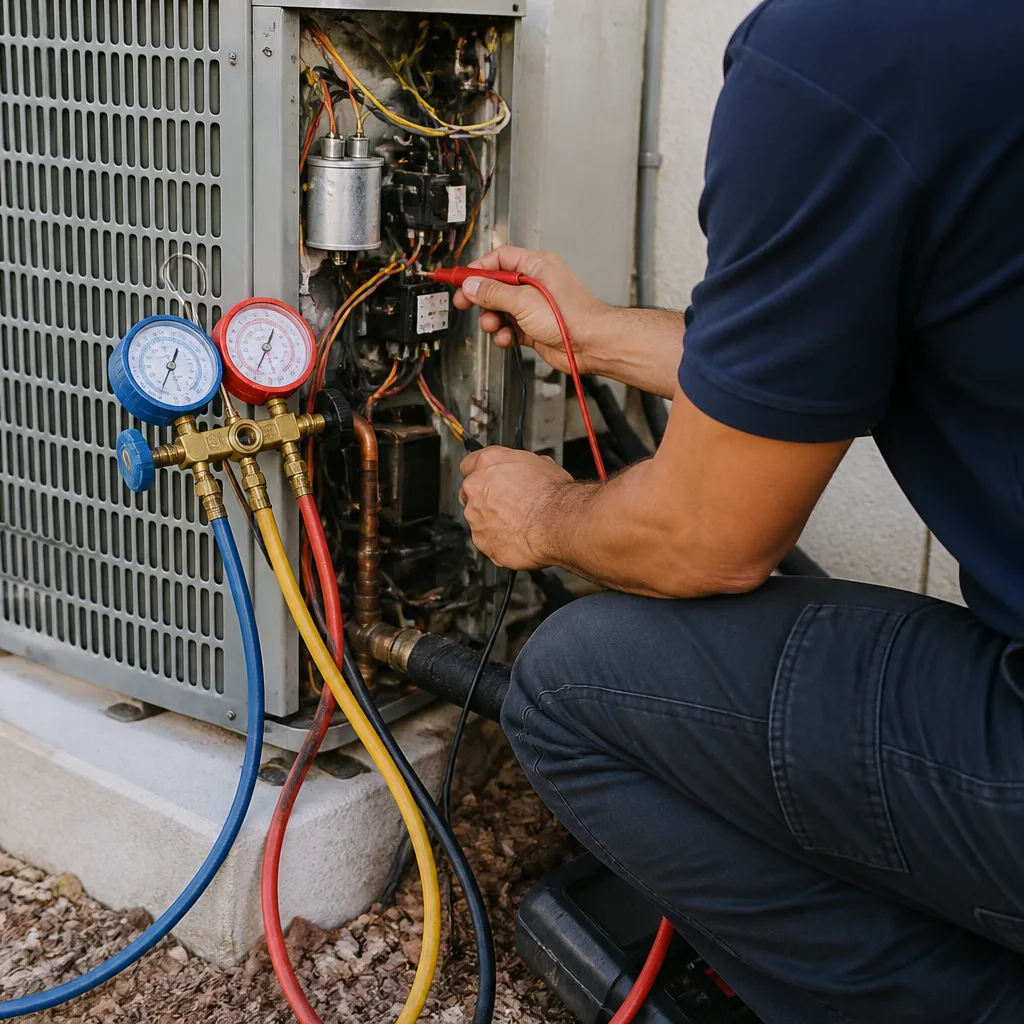 After
After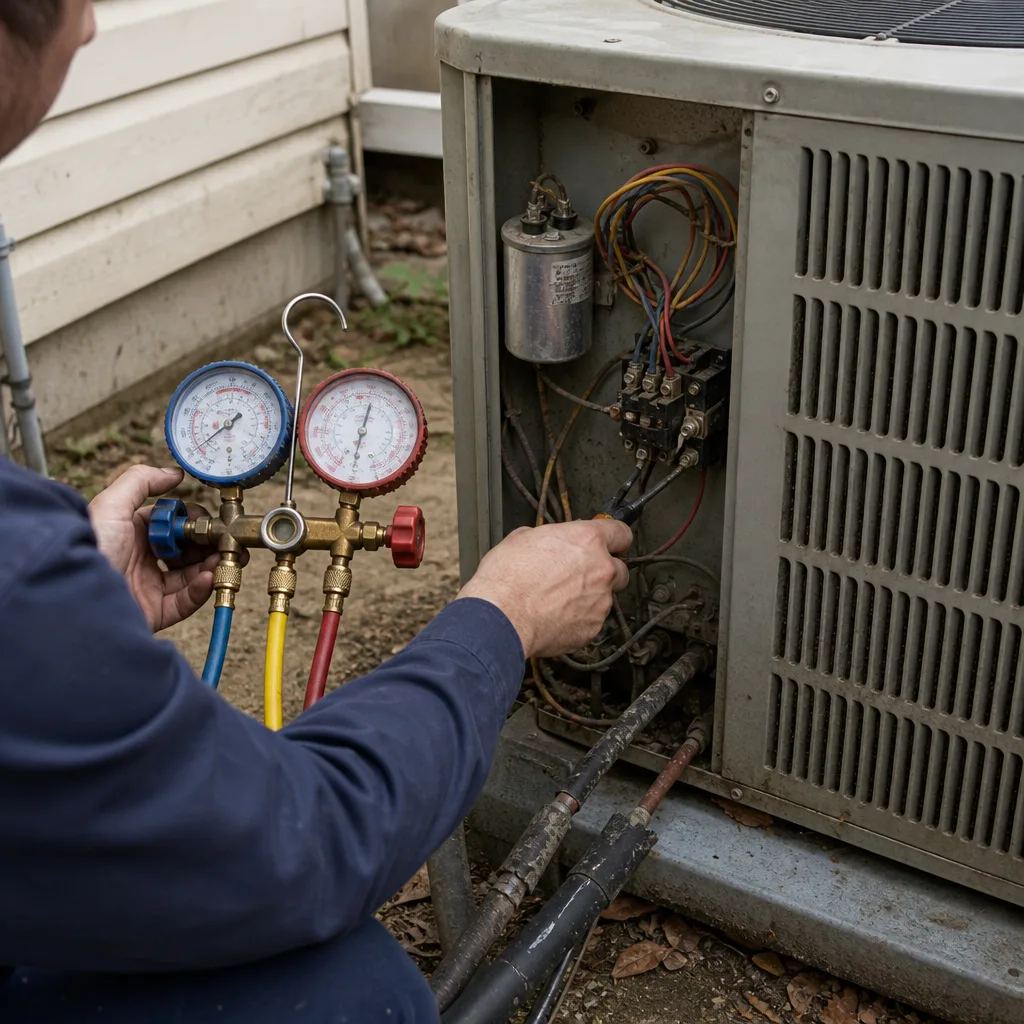 Before
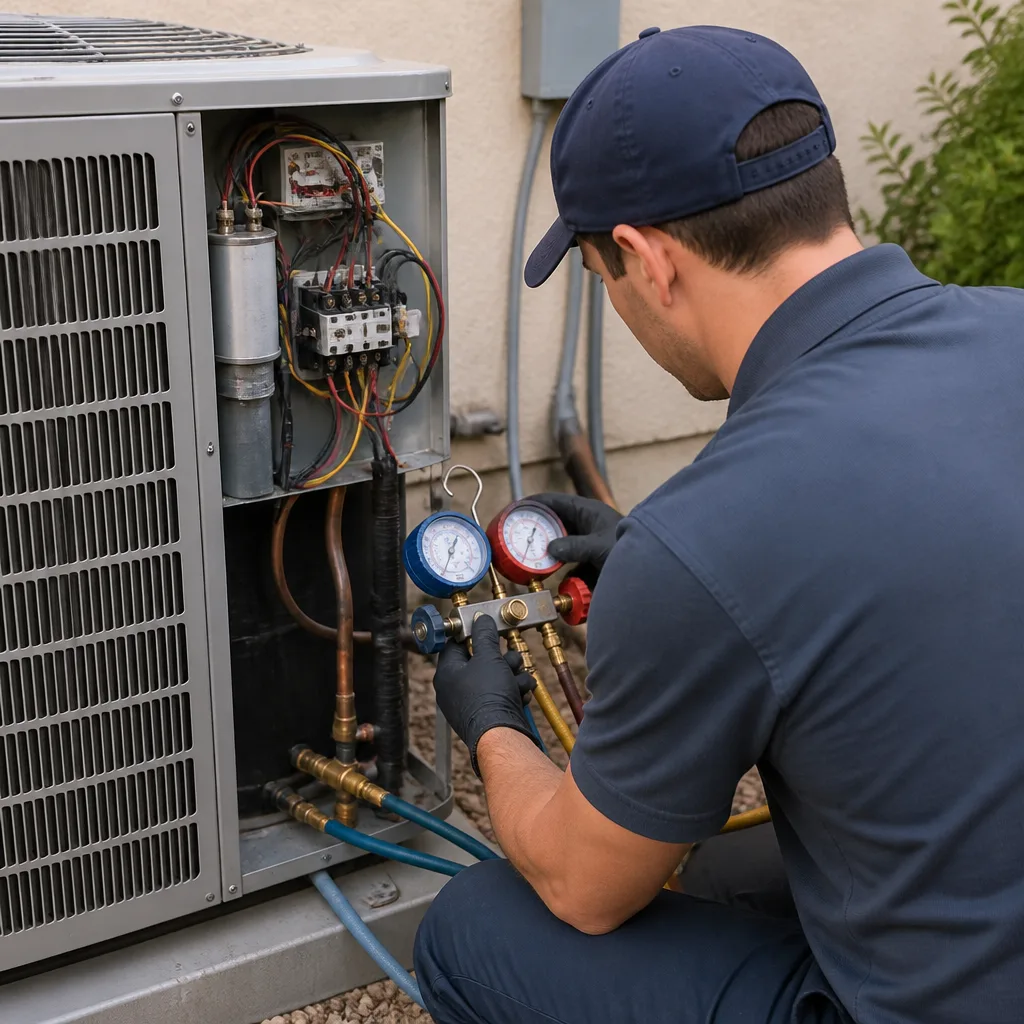 After
AfterReplacement Cost & What’s Included
Installed Daikin capacitor replacement in Sacramento runs $180 – $420 depending on whether you need a single capacitor, a dual-run capacitor, and whether the existing bracket needs replacement. A standard single or dual-run swap, the most common job on Daikin residential equipment, lands at the lower end of that range. Start capacitors, which are larger and more expensive, push toward the upper end. Units that require both a run capacitor and a start capacitor replaced together sit around the middle.
Every capacitor replacement we do includes the part, the labor, a written price before we touch the unit, and the 365-Day Done Right Promise. If the new capacitor fails within a year of installation, we replace it. That’s not a pro-rated warranty. To be direct about pricing: our capacitor swap on a Daikin typically comes in at under $300 all-in for standard residential condensing units in Sacramento proper, Arden, Carmichael, and most surrounding areas.
DIY or Call Us?
A capacitor stores enough electrical charge to stop a heart, even when the power is off. A capacitor that was just charged carries a residual shock hazard. We do not recommend opening a condenser cabinet and handling a capacitor unless you have accurate discharge equipment and know how to verify zero voltage. The hospital bill from one capacitor discharge will exceed the cost of our repair several times over.
That said, there are two safe checks any owner can make. First, listen: a steady hum from the condenser while the fan blades stay still points to capacitor failure. Second, look: if you can safely see the capacitor through the vent slats and it’s swollen or leaking, you have a likely culprit. Beyond that, call a licensed professional. When you call (279) 263-8708, Luis Serrano can often tell you over the phone whether what you’re describing matches capacitor failure, and we’ll give you a written price before anyone touches the unit.
FAQs
Daikin capacitors typically last 3 to 8 years in the Sacramento Valley climate, with OEM capacitors landing on the shorter end and quality aftermarket replacements like Amrad lasting toward the upper end. Triple-digit summer days are the main accelerant, and systems that cycle frequently because they’re slightly oversized age their capacitors faster. Call (279) 263-8708 and we’ll assess whether your capacitor is near the end of its practical life.
No. Once a capacitor’s dielectric fluid degrades or the case bulges, the part is non-serviceable and must be replaced. There is no safe or reliable way to rebuild a capacitor in the field, and any attempt would introduce a fire risk inside a condenser cabinet.
A standard single or dual-run capacitor replacement on a Daikin takes 45 to 90 minutes from arrival to finished cleanup, including verifying the new part’s specification against the condenser plate and testing startup amp draw. If a second capacitor or a hard-start kit is needed, plan on up to two hours.
Yes. We stock the most common Daikin dual-run capacitor ratings, including 35/5, 40/5, 45/5, and 50/5, along with start capacitors for common Daikin residential condensers. For less common specs, we can usually have the exact part in hand within 24 hours. Call (279) 263-8708 to confirm availability for your specific Daikin model.
Written by Luis Serrano, Owner, Meadowsweet Heating and Air Sacramento at Meadowsweet Heating and Air Sacramento, serving Sacramento and nearby areas.